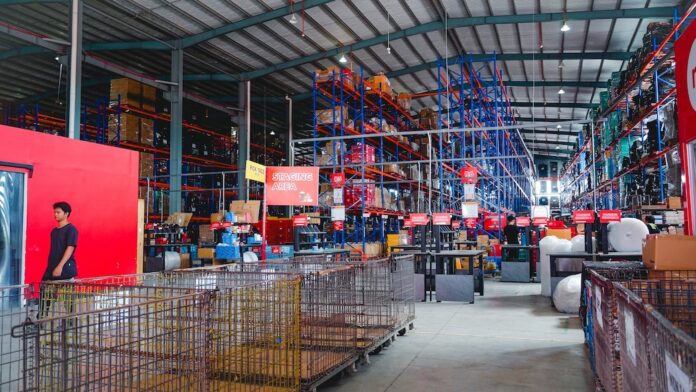

The new Danlag, Consolacion facility is meant to bring inventory closer to Visayas and Mindanao customers
As e-commerce demand grows beyond Metro Manila, logistics providers are rethinking where inventory is stored and orders are fulfilled. For businesses serving customers nationwide, relying on centralized warehouses in Luzon can mean longer shipping routes, higher transportation costs, and slower deliveries, particularly to the Visayas and Mindanao.
To address this, Ninja Van Philippines has expanded its regional footprint with a new fulfillment warehouse in Cebu, adding capacity to serve businesses across the Visayas and Mindanao.
“Logistics can no longer operate on a one-size-fits-all model, particularly in a geographically diverse market like the Philippines. As e-commerce creates more opportunities beyond major urban centers, inventory distribution must evolve to keep pace with where demand is growing,” said Ninja Van Philippines head of fulfillment Erick Ramos.
THE CEBU FACILITY
The 1,291.32-square-meter warehouse is in Danlag, Consolacion, and opened in late October. It supports both business-to-consumer (B2C) and business-to-business (B2B) fulfillment, including instant and quick commerce requirements.
It can process up to 10,000 orders daily. Its workforce is expected to grow from an initial 50 employees to 100 as operations scale, creating jobs in warehouse management, picking, packing, and dispatch.
BRINGING FULFILLMENT CLOSER TO REGIONAL MARKETS
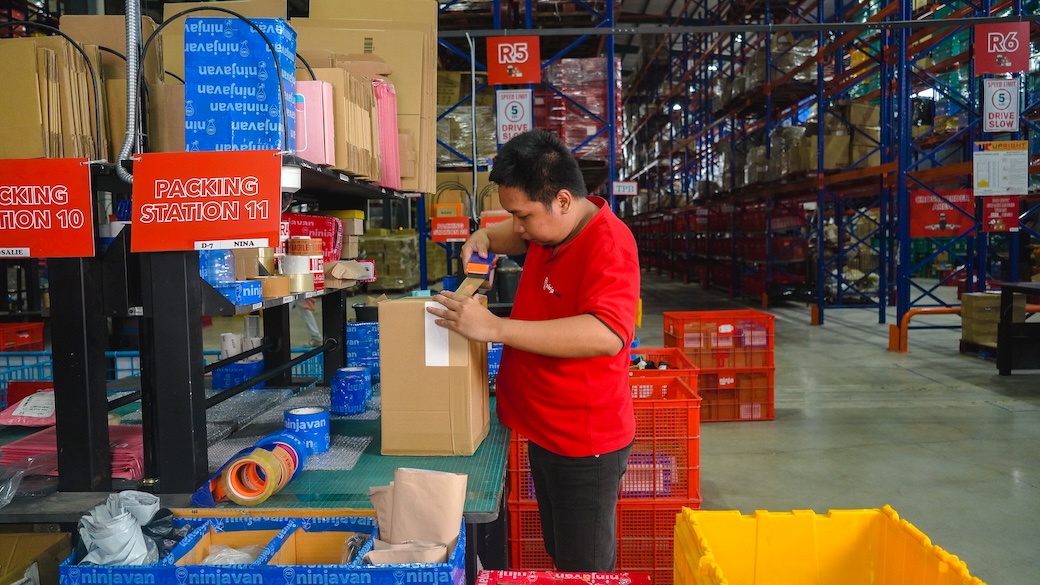
The expansion responds to two developments in e-commerce logistics: demand for faster, more cost-efficient deliveries, and changing fulfillment requirements from online marketplaces.
For businesses serving Visayas and Mindanao customers, storing inventory in Cebu can reduce reliance on long-haul shipments from Luzon, potentially lowering transportation costs and improving delivery lead times. It also opens up faster fulfillment options such as same-day delivery and quick commerce.
Regional warehousing can also simplify restocking physical retail stores. Businesses can keep inventory at the Cebu facility and dispatch stock to outlets across the region as needed, instead of scheduling and waiting for orders from Manila. Stores can restock faster, and businesses get more flexibility in managing inventory across their regional operations.
The facility serves both Metro Manila-based and Cebu-based businesses, with Astron and GOMO as early adopters supporting their fulfillment requirements across the region.
“As e-commerce continues to expand, businesses need fulfillment networks that can accommodate different sales channels and market requirements. A more distributed setup gives them greater flexibility in managing inventory, whether they are fulfilling individual online orders or supplying retail stores across multiple locations,” Ramos added.
BUILDING A MORE DISTRIBUTED NETWORK
The Cebu warehouse is part of Ninja Van’s wider plan to strengthen fulfillment across key Philippine markets. The network will also include:
- A South Luzon facility, targeted for the fourth quarter of 2026
- A Davao facility
- A Pampanga warehouse, targeted for March 2027
While Cebu strengthens coverage across the Visayas, the planned Davao facility will support fulfillment in Mindanao. Together, the facilities give businesses more options for positioning inventory closer to their customers and an alternative to relying on a single fulfillment center for nationwide demand. Aligning inventory and order processing with regional needs can help businesses build more efficient supply chains and respond to local market opportunities.
“Our goal is to make it easier for businesses to grow beyond their immediate markets without adding unnecessary complexity to their supply chains. By strengthening our presence in key regions, we aim to give businesses access to fulfillment capabilities that can support their growth and bring reliable logistics closer to more communities across the Philippines,” Ramos concluded.