

How technology is supporting, rather than replacing, the physical shopping experience
It’s Sunday. Your paper bags are getting heavier, the heat outside is getting under your skin, and somehow, everyone seems to have the same plan as you. Yes, even the dogs in diapers.
The malls are packed. The food courts are buzzing, and somewhere in the crowd, someone is probably tapping the yellow basket on a TikTok Shop video or browsing Shopee for a product they could have ordered without leaving home.
They say shopping is now just a few taps away. So why are we still spending our weekends in crowded malls?
DISCOVERY: WHEN SCROLLING TURNS INTO SHOPPING
Most of the time, we go online looking for something specific. Other times, we find ourselves wanting something after seeing it on our feed. A smartphone review appears on TikTok. A new clothing collection shows up on Instagram. One video leads to another, and before long, we’re checking prices or adding an item to our carts.
Social media has made product discovery part of our everyday scrolling. Creators can demonstrate how a gadget works, show how clothes fit, or share their experiences with products they’ve bought. These posts can be useful, especially when they show products in real-life situations rather than in polished advertisements. Shopping platforms such as Shopee and Lazada continue the process by offering product recommendations, categories, and promotions that help us explore our options.
But something worth noticing is that we don’t always start shopping because we need something. Sometimes, we start wanting something because we saw it.
This connects to the idea of the attention economy. Social platforms compete for our time and attention, and product recommendations can turn a few minutes of scrolling into an unexpected purchase. The more often we encounter a product, the more familiar it can become. Before we know it, something we hadn’t considered buying starts to feel like something we might be missing.
As the holidays draw closer, this becomes even more noticeable. Gift guides, influencer recommendations, flash sales, and festive campaigns can give us plenty of ideas, especially when we’re looking for something thoughtful for the people we love. At the same time, they can make it feel as though there’s always another gift to buy or another deal worth catching.
There’s nothing wrong with discovering something new or treating ourselves every once in a while. The important thing is recognizing when genuine interest turns into pressure to spend. And discovery doesn’t happen only on our screens. Walking past a store display, trying a sample, or stumbling upon something unexpected while browsing can spark the same curiosity. The difference is that a physical store lets us see a product up close and explore it at our own pace.
Sometimes, a video is enough to make us interested. Other times, seeing the actual product helps us decide whether it’s worth our attention and, eventually, our money.
RESEARCH: THE SMARTER SHOPPER CHECKS FIRST
Now, something has caught our eye. But is it actually worth buying?
Before choosing a smartphone, we can compare its battery capacity, display quality, storage, performance, and software support rather than relying on appearance or advertising alone. Still, not every review tells the whole story. Some content is sponsored, some creators earn commissions through affiliate links, and customer ratings don’t always reflect the full picture. That’s why it helps to consult multiple sources and verify important details on official product pages. For expensive purchases, warranty coverage and after-sales service deserve attention, too.
But the research doesn’t have to stop when we arrive at the store.
After comparing two smartphones on YouTube and checking their specifications online, the next step might be to visit a mall and try them out in person. Holding both devices, testing their displays, and checking which one feels more comfortable to use can offer insights that online reviews alone may not provide. Store representatives can also clarify features or answer questions before a purchase is made.
This interplay between online research and physical shopping reflects omnichannel retail, where consumers use different channels throughout their shopping journey. Two related behaviors are webrooming and showrooming. Webrooming involves researching a product online before buying it in a physical store. Showrooming, on the other hand, means examining a product in person before purchasing it online.
These habits reflect how people shop today. We want to make informed decisions, but we also want the freedom to compare options and find what works best for us. Rather than relying on a single source or shopping channel, we can use each one to our advantage at different stages of the buying process.
PURCHASE: ONLINE, IN-STORE, OR BOTH?
After deciding what to buy, we still have to figure out where to get it.
Retailer websites and apps can help us check store locations, product availability, and ongoing promotions. Some retailers also offer click-and-collect services, allowing customers to order online and pick up their purchases in-store. Digital payment services such as GCash and Maya provide additional ways to pay at participating merchants and on supported platforms.
For those who prefer shopping online, these options can save time and eliminate the need to visit a physical store. Buying a familiar accessory or replenishing household essentials from a trusted seller may be much easier from home. Online shopping can also be practical for people who live far from certain stores. When a product is familiar and the seller is reliable, there may be little reason to make a separate trip.
But shopping in person has its own advantages. We can check a product’s size, material, finish, or fit before paying for it. For gadgets, we can handle the device, test its features, and ask questions if something isn’t clear. And when we need something immediately, a nearby store may be the more practical choice.
It also helps to look beyond the price tag. An online listing may offer a lower price, but delivery fees, waiting times, and return arrangements can affect the overall value. Shopping in person comes with its own costs, too, including transportation, parking, and the occasional meal or unplanned purchase along the way.
The better option depends on what we’re buying and what matters most to us. This is especially worth remembering during the holiday season, when vouchers, countdowns, and limited-time promotions can make every deal feel urgent.
A discount can make a purchase more affordable, but it doesn’t automatically make it worthwhile. Sometimes, we save more by stepping back from a sale than by taking advantage of it.
EXPERIENCE: WHY THE MALLS ARE STILL FULL
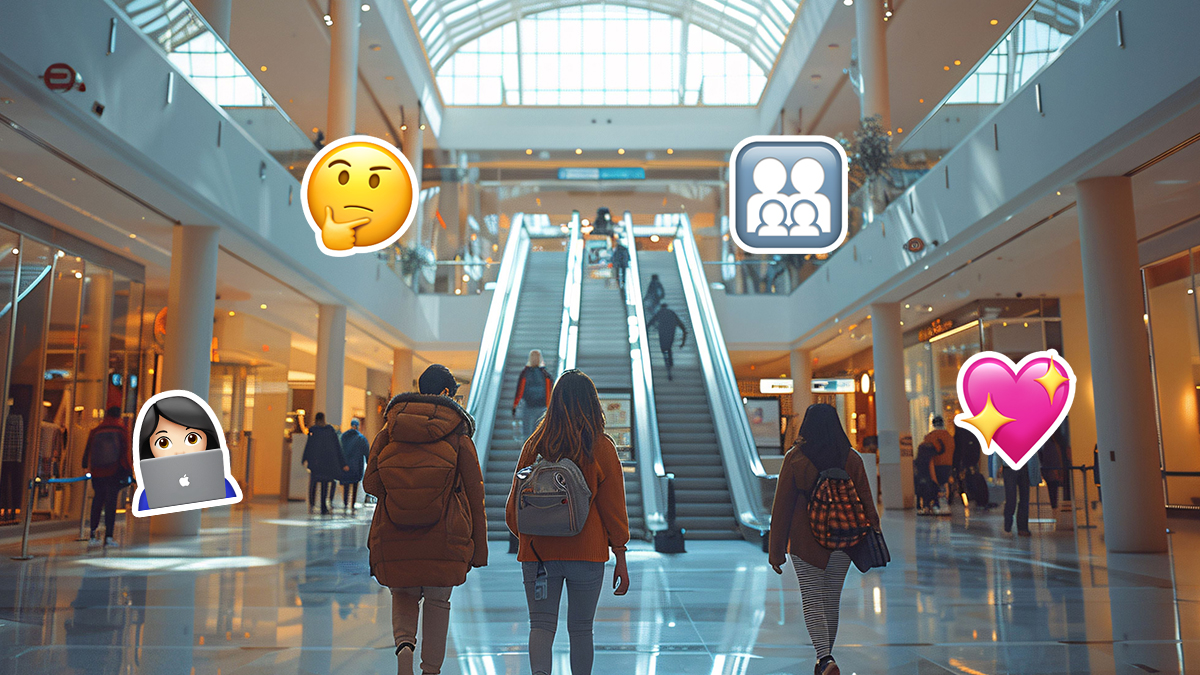
Even with all the shopping tools available on our phones, people continue to visit malls for reasons that go beyond buying things.
A family might head out for lunch and end up browsing a bookstore. Friends might meet for coffee, look around a few shops, and watch a movie. Others might want a change of scenery after spending most of the week at home or at work. In these moments, the mall becomes a place to spend time and find a sense of belonging.
A recent example is SM City Fairview, where the space in front of the food court turns into a dance floor every Friday afternoon. Called Fairview Dance O’Clock, the weekly session is open to anyone who wants to dance, and videos of students dancing with strangers there drew plenty of attention online. It speaks to a simple desire: a space to enjoy music, dance, and connect with others without having to spend on alcohol or pay for an expensive night out.
This reflects the idea of the third place, a concept popularized by sociologist Ray Oldenburg. It refers to informal gathering spaces beyond home and work, where people can socialize and feel part of a community. In this case, the mall isn’t acting as a commercial destination. It becomes a shared space where connection can happen without a purchase being the main event.
Of course, not everyone experiences malls the same way. Transportation expenses, food prices, and the pressure to spend can make a mall trip costly. Some people may prefer neighborhood parks, cafés, community spaces, or simply staying home. Online communities also offer meaningful ways to connect without meeting in person.
Still, there’s something special about spending time together in the same place.
Technology helps make these experiences easier to plan. Google Maps can help us find stores and check available business information. TikTok, Instagram, and Facebook can introduce us to new restaurants, pop-up shops, and mall events. Messaging apps help friends coordinate schedules and share recommendations before heading out, and ticketing apps make it easier to book cinema seats and skip long queues.
This is why online convenience and physical experiences don’t necessarily cancel each other out. Our phones help us decide where to go and what to try, while physical spaces give us opportunities to experience things firsthand.
FINDING THE BALANCE
Our digital baskets may be full, and the malls may remain crowded, but neither tells the whole story of how we shop.
Technology has made shopping easier, and it has made discovering things almost effortless. Meanwhile, malls continue to offer something beyond retail. Perhaps that’s what shopping wisely looks like this holiday season. We can enjoy the sales without chasing every deal, give thoughtful gifts without overspending, and visit the mall without feeling that we have to leave with something new.
Words by Aljhelyn Piador
Also published in GADGETS MAGAZINE Volume 27 Issue No. 4