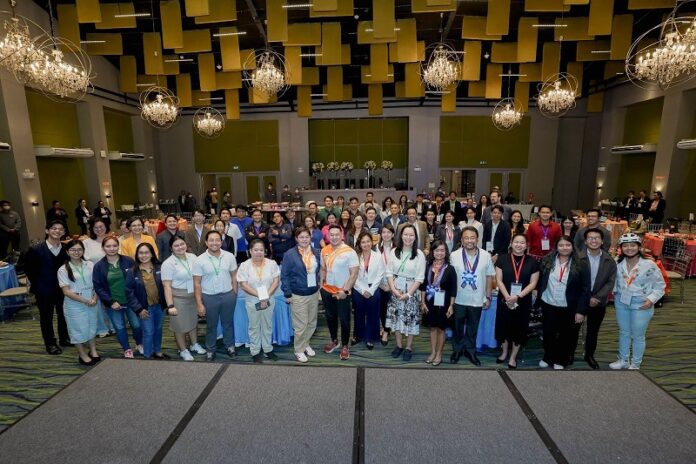

On World Sustainable Transport Day, over 70 representatives from Philippine national government agencies, local governments, and partner organizations and communities gathered for the culminating event of the Sparking Active Mobility Actions for Climate-friendly Cities (SPARK) Project to reflect on its key outcomes and how active mobility efforts can continue to thrive beyond the project.
The event, titled “Sparking the Future: Igniting Pathways towards Inclusive and Climate Resilient Active Mobility in the Philippines,” was held on November 26, 2025, at Chardonnay by Astoria in Pasig City.
Implemented for the past three years by ICLEI – Local Governments for Sustainability (ICLEI) and the Institute for Climate and Sustainable Cities (ICSC) in partnership with the Quezon City Government and the City Government of Pasig, the SPARK Project explored how tactical urbanism and open data can be leveraged to address urban mobility challenges through participatory planning and data-driven decision-making to improve pedestrian and cyclist infrastructure.
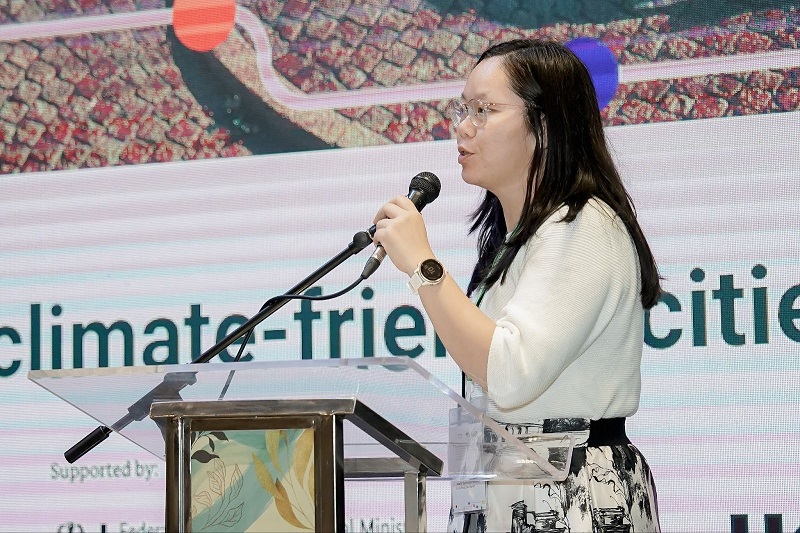
Tu-My Tran, Head of Sustainable Mobility at the ICLEI World Secretariat, presented the project’s outcomes and ways forward for scaling up and replicating SPARK’s successes.
Key SPARK Project activities included baseline assessments to understand each city’s active mobility context; community engagement through participatory design workshops and volunteer activities; and capacity-building for local government staff and stakeholders on people-centered planning and implementation. These efforts culminated in a three-month implementation of tactical urbanism interventions Maginhawa Street, Quezon City and A. Mabini Street, Pasig City, which transformed the streets with short-term, temporary installations such as street murals and street furniture that served as pedestrian and cycling infrastructure.
Eco-Counter devices were also turned over to Quezon City and Pasig City through the SPARK project to support the collection of pedestrian and cyclist data in four sites in each city to guide future active mobility initiatives.
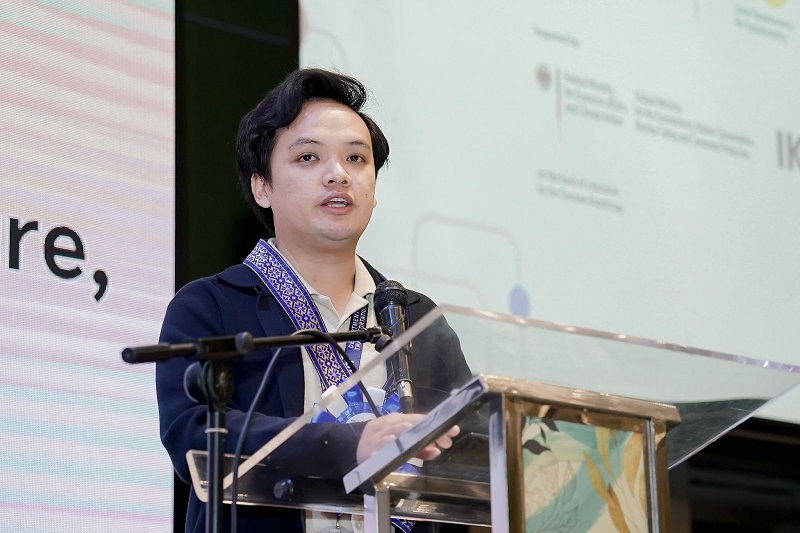
Arch. Alvin Pajo, Lead for Planning at the Active Transport Project Office of the Philippine Department of Transportation (DOTr), acknowledged in his welcome message the cities’ commitment and the participation of implementing partners. The project, he shared, resulted in impactful interventions that helped gather tangible, reliable and real-world data and learnings to make streets safer, cleaner, and more enjoyable for all.
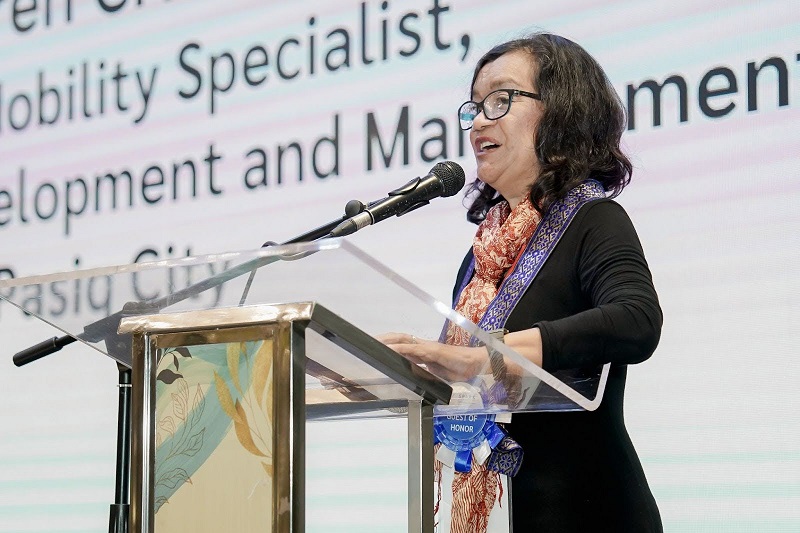
Karen Crisostomo, Active Transport Specialist of the Pasig City Transportation Development and Management Office, shared reflections on the city’s experience implementing the SPARK project. She emphasized the importance of a mindset shift in transforming car-centric cities into more walkable, bikeable, and livable cities.
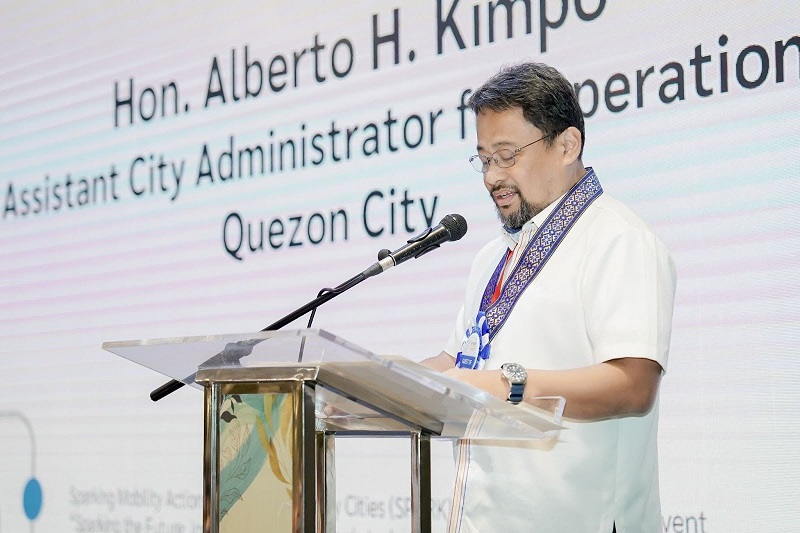
For Quezon City, Assistant City Administrator for Operations Alberto H. Kimpo said in his welcome message that innovations that aim to shift away from car-centricism can be challenging as they push back on longstanding tradition and the status quo, but such efforts are important to meet the demands of changing times, especially when they are informed by responses from local communities and relevant stakeholders.
Key implementing partners of the SPARK project, including civil society groups, were also recognized during the event.
Representatives of the Abot-Kamay ng mga may Kapansanan ang Pag-unlad ng Pasigueño (AKKAPP) Pasig Federation, 350 Bike Squad, Make It Safer Movement (MISMO), and the Pinay Bike Commuter Community talked about how the project gave them opportunities to actively participate in planning and designing more inclusive and accessible streets for pedestrians and cyclists of diverse backgrounds; reclaim streets for communities and culture; and inspire other initiatives with goals similar to the project.
The culminating event also included an internal meeting among ICLEI, ICSC, and members of the National Project Advisory Group (NPAG) for the SPARK project to discuss how the project’s active mobility efforts can be sustained.
The NPAG includes representatives of the Quezon City and Pasig City governments, the Metro Manila Development Authority (MMDA), and the following national agencies: Department of Transportation (DOTr), Department of Human Settlements and Urban Development (DHSUD), Department of Public Works and Highways (DPWH), Department of Economy, Planning, and Development (DEPDev), and the Department of the Interior and Local Government (DILG).
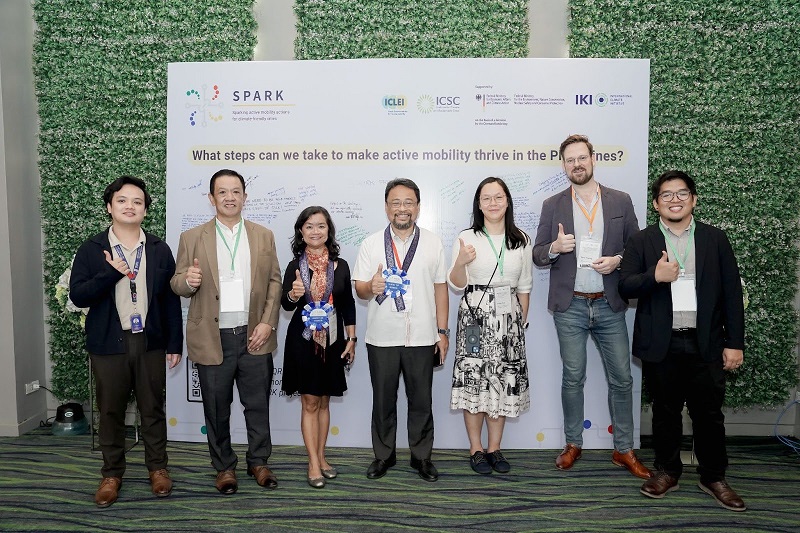
The SPARK project is made possible by the German Federal Ministry for Economic Affairs and Climate Action (BMWK) and the Federal Ministry for the Environment, Nature Conservation, Nuclear Safety, and Consumer Protection (BMUV) through its International Climate Initiative (IKI).
Highlights of the event and the tactical urbanism interventions in Quezon City and Pasig City can be watched at the ICLEI Southeast Asia YouTube channel via http://youtube.com/ICLEISEAS.