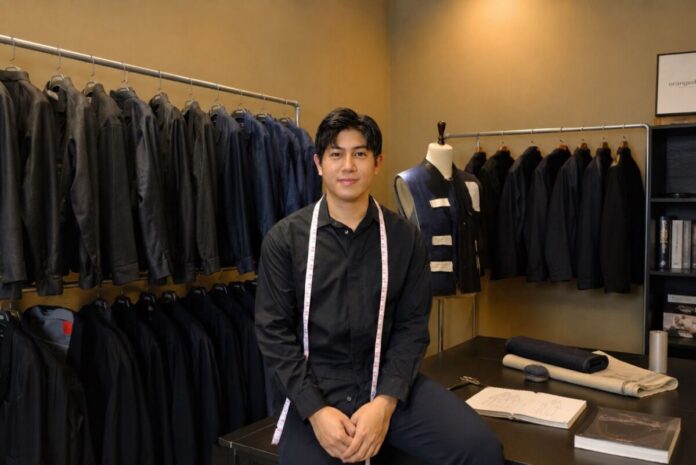

For years, fashion has been driven by what comes next. Collections arrive at an increasingly rapid pace, trends change almost overnight, and consumers are encouraged to refresh their wardrobes continually.
A different conversation, however, is beginning to take shape. Consumers are becoming more intentional about what they buy, asking not only how a garment looks but also how it was made, who made it, how long it will last, and whether it deserves a place in their wardrobe beyond a single season.
This shift has renewed interest in craftsmanship, timeless design, and independent labels that prioritize quality over quantity. For Jaycee Amazona-Dioneza, creative director of Filipino fashion label orangedot, it also gives local designers an opportunity to reconsider what Filipino fashion can represent.
Rather than competing through rapid trend cycles or mass production, Dioneza believes the industry’s future lies in creating garments with intention, authenticity, and lasting value. “People are becoming more thoughtful about what they wear,” Dioneza said. “They’re beginning to appreciate the story behind a garment, the craftsmanship that went into making it, and the intention behind every design decision.”
Redefining luxury through craftsmanship
Luxury has traditionally been associated with established fashion houses, exclusivity, and recognizable branding. Among a new generation of designers and consumers, however, its meaning is increasingly tied to craftsmanship. It can be found in the precision of a pattern, the quality of a seam, the durability of a garment, and the confidence that comes from wearing something thoughtfully made rather than quickly produced.
For Dioneza, this changing definition gives Filipino fashion the opportunity to develop its own identity instead of imitating established fashion capitals. “We don’t need to compete by trying to be someone else,” he said. “Our strength lies in our craftsmanship, our creativity, and the stories only Filipino designers can tell.”
Lessons from his mother’s sewing table
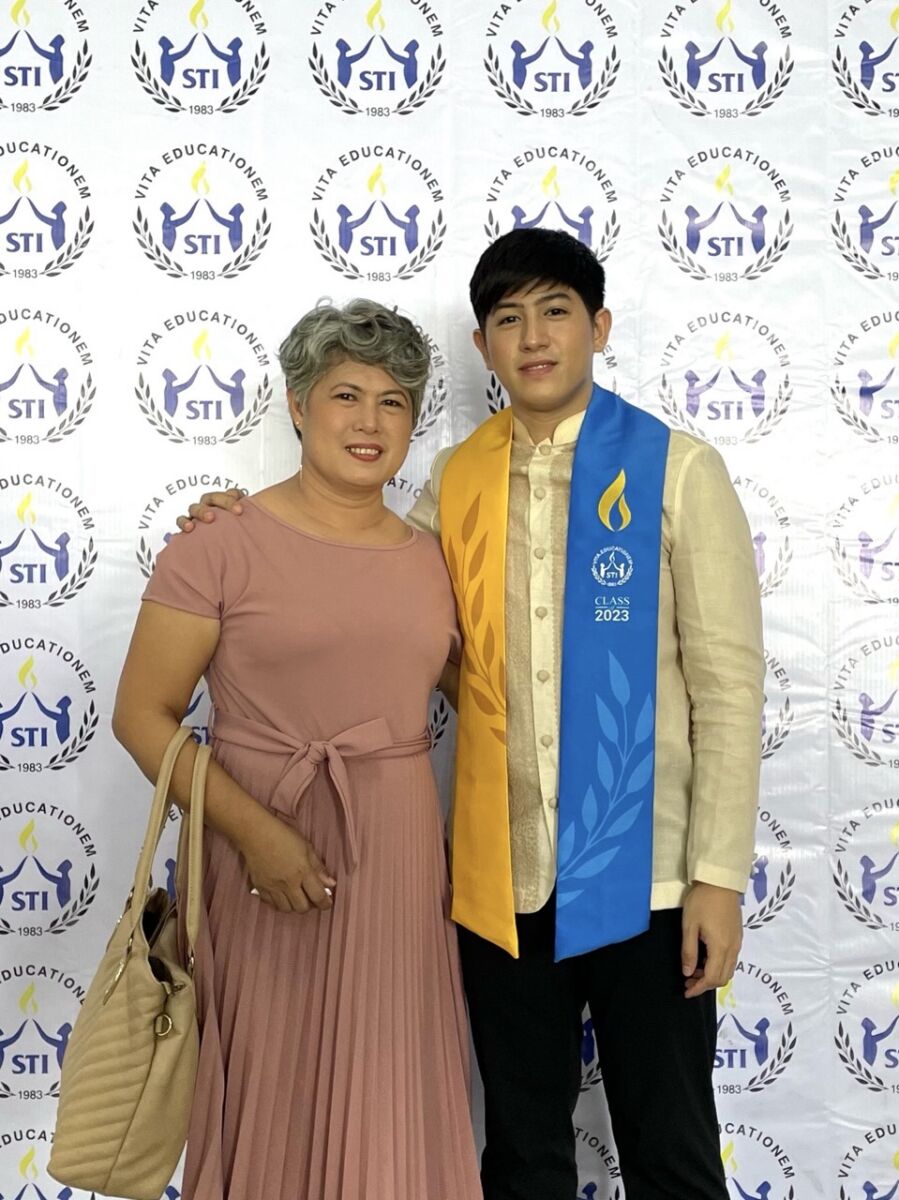
Long before orangedot became a fashion label, Dioneza’s understanding of design was shaped by necessity.
Growing up in Baler, Aurora, he watched his mother, seamstress Cheryl Amazona-Dioneza, cut patterns, stitch garments, and transform simple pieces of fabric into clothing people could wear with pride. Those moments became his first lessons in craftsmanship. He learned that good design required more than creative ideas. It also demanded patience, discipline, technical ability, and respect for the production process.
Years later, while studying Operations Management, Dioneza found another way to learn about clothing. To help support his education, he began buying ukay-ukay pieces, repairing and redesigning them, and selling the finished garments to classmates and other customers looking for something distinctive.
What began as a practical source of income gradually became an education in construction and design. Each alteration required him to understand how an existing garment had been made before deciding how it could be transformed. Working with secondhand clothing also challenged the idea that value depends on something being new. Dioneza instead learned to see value in the craftsmanship, creativity, and thought invested in a garment.
“I realized creativity isn’t about having unlimited resources,” he said. “It’s about seeing potential where other people don’t.” That perspective continues to shape his design process. Before sketching a silhouette or choosing fabric, he begins with a more fundamental question: What purpose will the garment serve, and why should someone choose to keep it?
Designing with intention
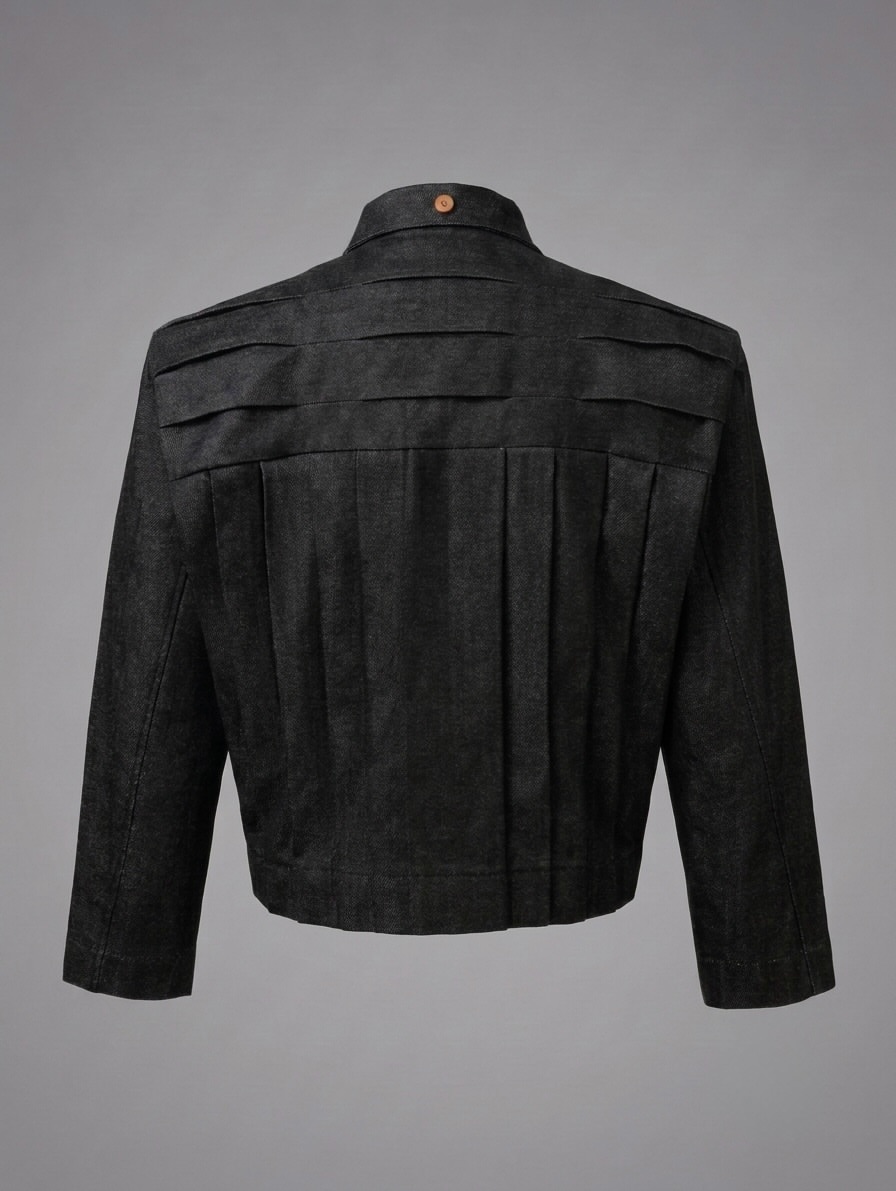
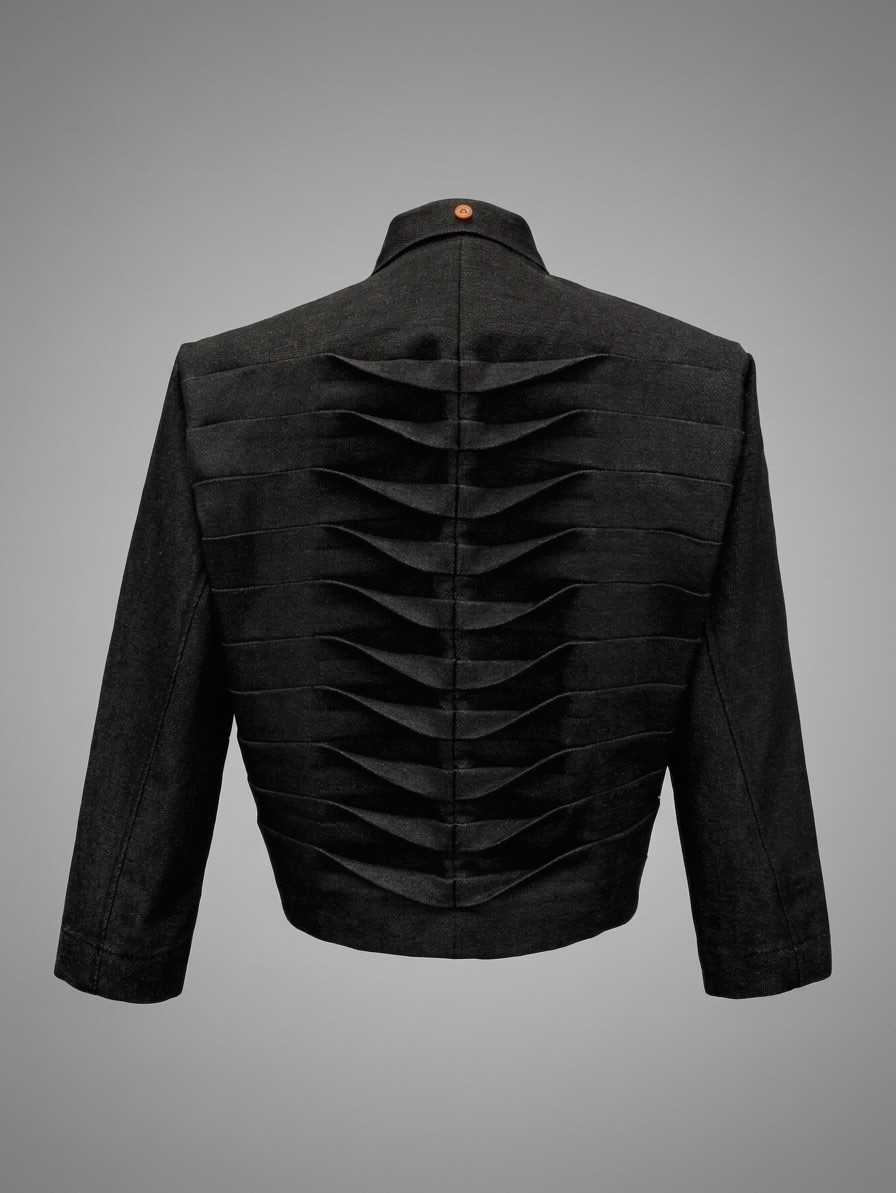
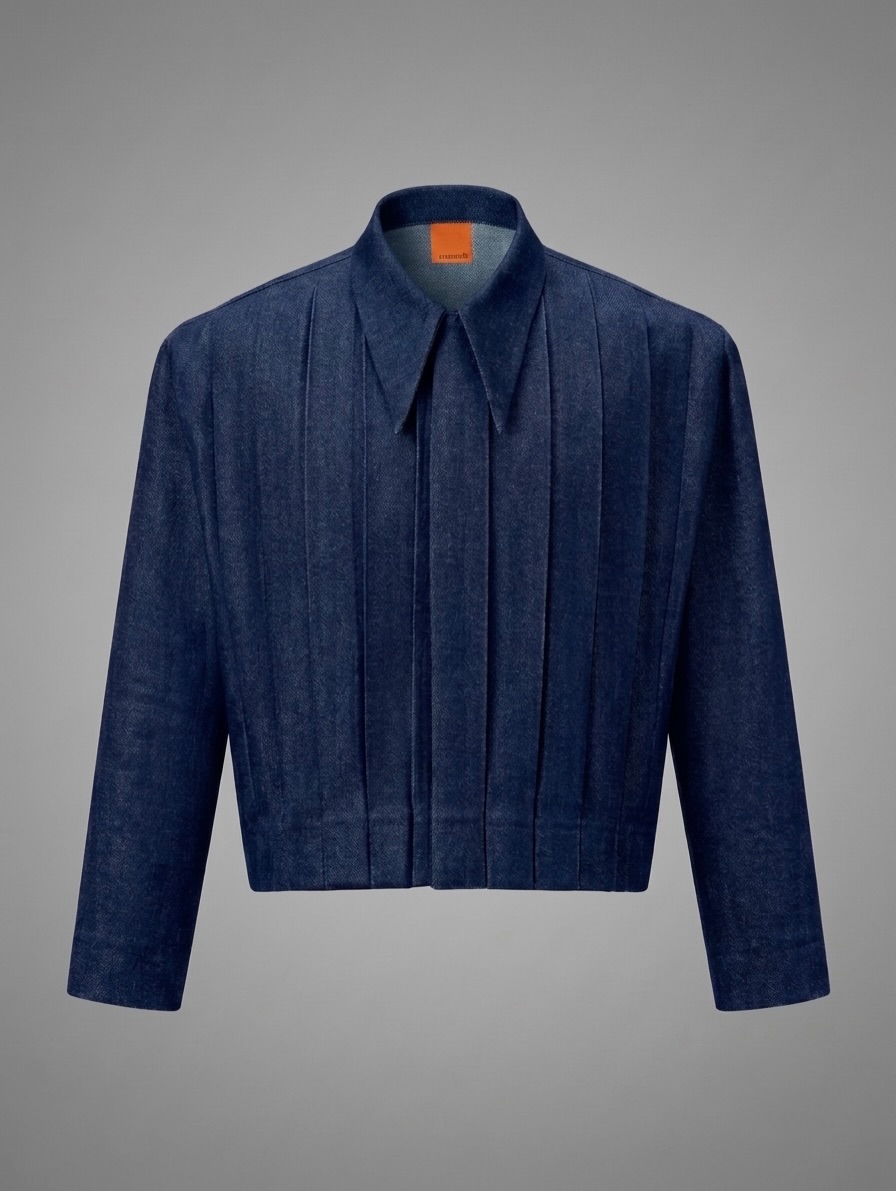
That philosophy became the foundation of orangedot. Instead of responding primarily to fast-changing trends, the brand develops pieces intended to remain relevant beyond a particular season.
Its debut HIDA Pleated Series reflects this approach. Inspired by Japanese craftsmanship, the collection explores precision, structure, and deliberate construction through a Filipino design perspective. “For me, being proudly Filipino isn’t about limiting where we find inspiration,” Dioneza explained. “It’s about learning from different cultures while creating work that reflects our own identity and our own standards of craftsmanship.”
As more Filipino designers gain international attention, he believes confidence rather than imitation will define the industry’s next phase.“We shouldn’t be afraid to learn from the world,” he said. “What’s important is creating something that’s authentically ours.”
The discipline behind creativity
Fashion frequently celebrates inspiration, but it speaks less often about editing and restraint. For Dioneza, knowing what not to produce is one of the most important parts of the creative process. His background in Operations Management reinforced the practical consequences of each design decision, including production efficiency, material consumption, waste, and long-term brand identity.
Some designs he personally favored never entered production because they no longer supported the collection’s direction or would have created unnecessary material waste. “I’ve learned that saying no is just as important as saying yes,” he said. “Every piece should contribute to something bigger than itself.”
In an industry that often rewards continual output, Dioneza considers restraint an undervalued creative skill. Sometimes, the strongest design decision is choosing not to create another product.
Building a broader creative community
Although clothing remains at the center of orangedot, Dioneza sees fashion as part of a wider creative ecosystem. His long-term vision extends beyond collections and retail. He hopes to build a space where fashion, design, art, music, and community can come together, giving emerging creatives opportunities to collaborate and exchange ideas.
The ambition reflects the thinking behind the brand’s name. Orange represents creative energy, while the dot symbolizes precision, clarity, and purpose. Together, they express the idea that creativity becomes more meaningful when supported by intention. “I want people to understand that fashion isn’t just about what we wear,” Dioneza said. “It’s about the values we express through what we create. Every garment is an opportunity to tell a story, preserve craftsmanship, and contribute something meaningful.”
A more confident Filipino fashion identity
Filipino fashion is entering a period in which local labels no longer need to imitate international brands to earn recognition. Designers are increasingly building identities rooted in craftsmanship, authenticity, and cultural confidence. For Dioneza, the opportunity lies in creating work that reflects those qualities while offering lasting value.
His own journey did not begin in a design studio or on a runway. It started with garments that other people had discarded. Years later, the same perspective continues to define his work: finding possibilities in what already exists and proving that good design is not measured by how quickly it is consumed.
As Filipino fashion evolves, Dioneza believes the brands that endure will not necessarily be those that release the most collections. They will be the ones that create pieces with meaning and give customers a reason to keep them.
In Summary
Jaycee Amazona-Dioneza’s approach to orangedot reflects a wider shift away from disposable fashion and toward garments shaped by craftsmanship, restraint, and lasting purpose. His experience redesigning secondhand clothing also shows how Filipino fashion can develop a distinct identity by combining outside influences with local creativity and technical skill.