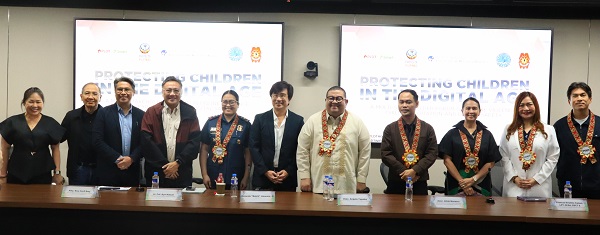

The multi-stakeholder alliance is pushing for stronger legal frameworks, better coordination, and wider industry participation while preserving children’s rights to safe and meaningful digital access.
Representatives from government, law enforcement, telecommunications, education, media, and the private sector have come together through PROTECTA Pilipinas to strengthen efforts against online violence and exploitation involving children.
The PLDT-led forum focused on expanding reporting and coordination mechanisms, encouraging more consistent adoption of child online-protection platforms and tools, bringing fintech companies further into the discussion, and examining where existing legal frameworks may need to adapt to emerging digital threats.
Child protection as part of digital resilience
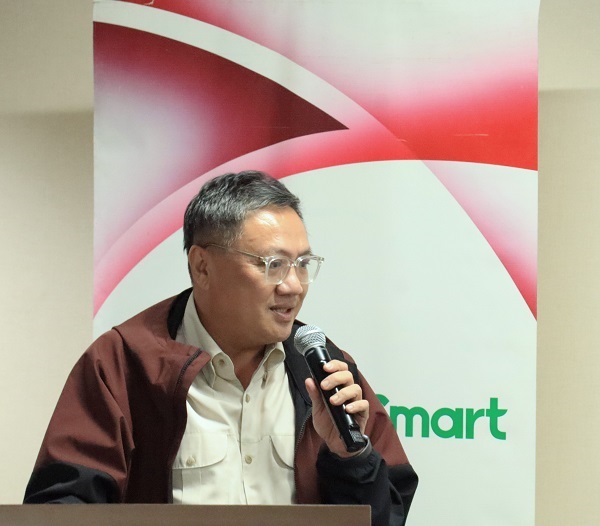
“Protecting the connectivity that Filipinos depend on includes protecting the people, especially the children, who rely on that connectivity every single day,” said Atty. Roy D. Ibay, Smart vice president and head of regulatory affairs and lead convenor of PROTECTA Pilipinas.
“When we talk about infrastructure resilience, we usually think of disasters, cable theft and cyberattacks. But another kind of resilience we must build is resilience against the exploitation of the children who use these networks to learn, play, and connect with the world.”
Ibay emphasized that no organization can address the problem independently. Effective protection requires cooperation across government, industry, civil society, communities, and families, particularly as online risks extend across communications platforms, financial services, digital communities, and other parts of the internet ecosystem.
Safety without cutting children off from technology
The discussion also emphasized that child online protection should not mean removing children from digital spaces altogether.
Council for the Welfare of Children undersecretary Angelo Tapales framed the issue as one of children’s rights. While children need protection from harmful content, abuse, and exploitation, they also have rights to technology, information, education, participation, expression, privacy, and development.
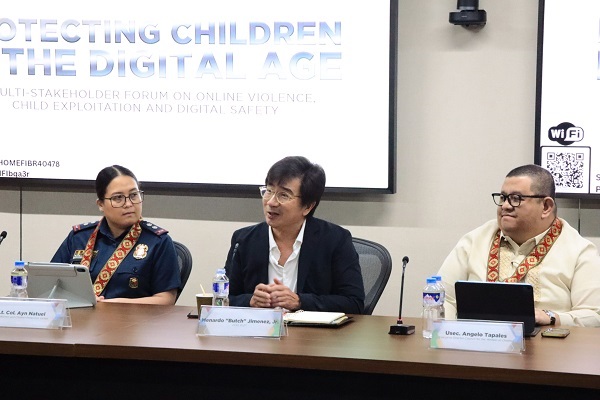
“The objective should not be to keep children away from technology, but to ensure that they can access and participate in the digital environment safely, meaningfully, and in an age-appropriate manner,” Tapales said.
“Children should not have to choose between being connected and being safe. Our responsibility is to make the digital environment safer for every child.”
Existing safeguards need to evolve
Participants acknowledged that the Philippines already has laws, reporting mechanisms, protocols, and multi-stakeholder initiatives addressing online sexual abuse and exploitation of children and child sexual abuse or exploitation materials.
Among the existing legal protections is Republic Act No. 11930, the Anti-Online Sexual Abuse or Exploitation of Children and Anti-Child Sexual Abuse or Exploitation Materials Act, which covers online grooming, livestreamed abuse, CSAEM distribution and possession, and responsibilities across different internet intermediaries. (Lawphil)
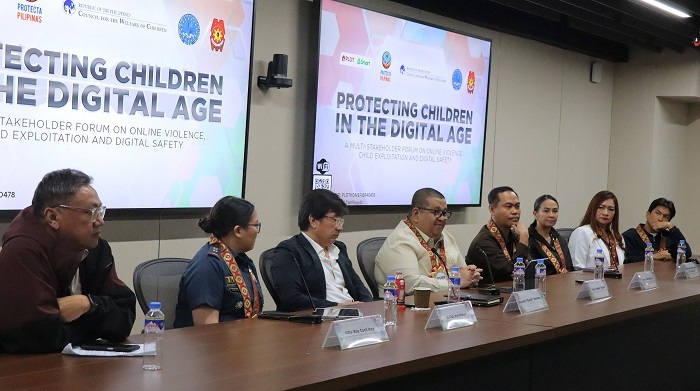
The forum’s concern is that newer forms of online violence and harmful digital communities can create risks that require existing mechanisms to keep evolving. Stakeholders also stressed that responses to online harms should continue to respect rights, due process, and privacy while allowing institutions to act more effectively and collaboratively.
Telcos seek clearer guidance
PLDT chief operating officer Menardo G. Jimenez Jr. highlighted the role telecommunications companies can play in child protection, while also stressing the need for clear guidance on the limits and use of existing controls.
“Telcos have a moral responsibility to our people, especially the children,” Jimenez said. “This forum is important to us because we need clear guidance to know when and how we’re going to shut down these evil platforms.”
“Telcos are not here to play god. We’re here to protect kids being brainwashed and directed to commit hideous acts.”
The discussion brought together Jimenez, Tapales, Cybercrime Investigation and Coordinating Center assistant secretary Alvin Navarro, PNP Women and Children Protection Center Lt. Col. Ayn Natuel, and representatives from education, media, and mental health. The forum was moderated by PLDT and Smart public engagement group head Roby Alampay.
Building a broader child-safety alliance
PROTECTA Pilipinas is a multi-stakeholder alliance spearheaded by PLDT that brings together government, industry, and communities around cyber resilience, critical-infrastructure protection, and a safer digital environment.
Its child-protection discussions reflect the increasingly interconnected nature of online risks, where communications networks, online platforms, financial systems, schools, families, and government agencies can all play a role in prevention and response. Strengthening those connections, while maintaining legal safeguards and children’s digital rights, is emerging as a central part of the wider effort to protect young Filipinos online.
More information is available through the PLDT website.