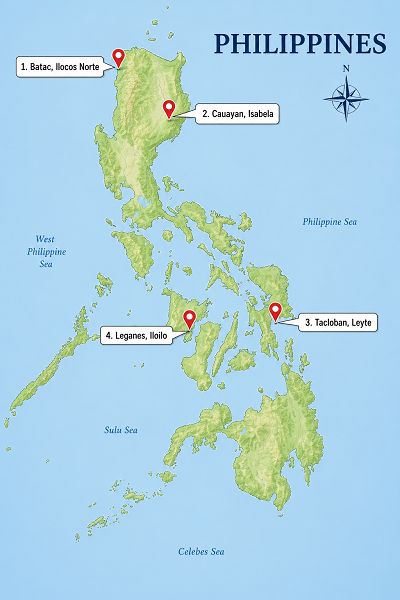

The Philippines’ Unified 911 emergency response system is set to expand its nationwide coverage with the launch of four new regional satellite command centers beginning this June.
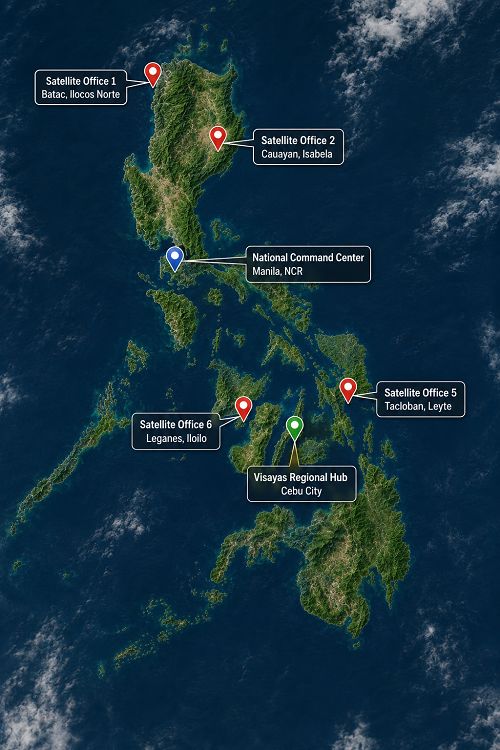
The additional facilities will complement the National Command Center in Manila and the existing regional center in Cebu, strengthening coordination among police, fire, medical, and disaster response agencies while improving accessibility for communities across Luzon and the Visayas.
Four new regional hubs
The first satellite command center will open in Ilocos Norte, where officials will demonstrate the platform’s integrated emergency response capabilities. Additional centers are scheduled to open in Isabela and Iloilo during the third quarter of the year, followed by a fourth facility in Tacloban in the fourth quarter.
The Unified 911 expansion is intended to bring emergency response operations closer to local communities while improving coordination between field responders and command centers.
Built around local languages
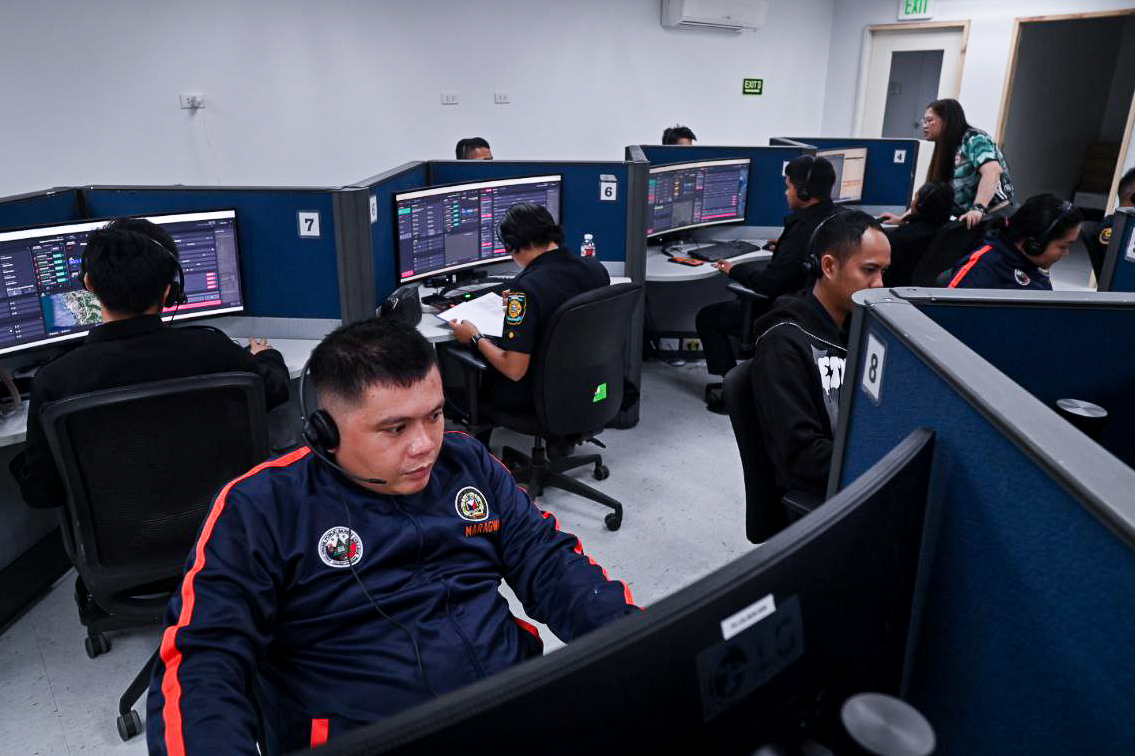
A key feature of the new command centers is their ability to support local dialects and regional languages. Call takers assigned to each center are trained to communicate in the languages most commonly used within their areas of responsibility.
Operators in Ilocos Norte will handle Ilocano calls, while personnel in Isabela will support Ilocano, Ibanag, Yogad, and Gaddang speakers. The Iloilo center will accommodate Hiligaynon and Kinaray-a speakers, while the Tacloban facility will support both Waray and Cebuano. All operators are also fluent in Filipino and English.
Faster and more accurate emergency response
The localized approach is designed to reduce communication barriers during emergencies, allowing callers to explain situations in the language they are most comfortable using.
For example, an emergency reported in Ibanag can be immediately understood by a local operator who can quickly coordinate with responding agencies. This approach is expected to improve the accuracy of information gathering and speed up dispatch decisions.
Connected through a single platform
All command centers are linked through a unified digital platform that supports real-time coordination and national oversight. Through the Unified Platform for Communications & Dispatch (UPCAD), emergency responders can access GPS locations, incident reports, video feeds, and other operational data while in the field.
The interconnected system also enables multi-center coordination during major incidents, allowing resources and information to be shared quickly across regions.
Reducing delays in emergency handling
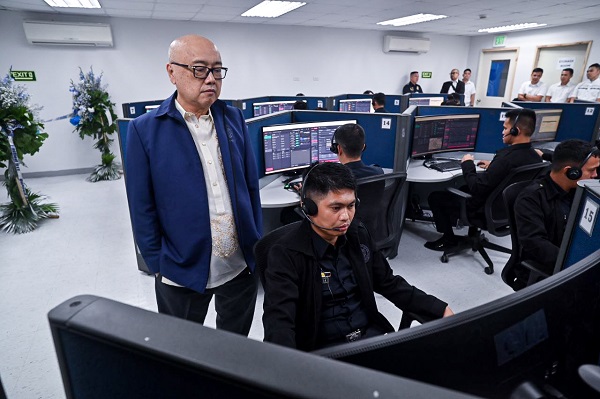
According to Bureau of Fire Protection spokesperson Fire Superintendent Anthony Royo Arroyo, the regional command centers will help minimize delays caused by calls being routed to distant locations before reaching the appropriate responders.
By ensuring that Unified 911 emergency calls are handled by operators familiar with local languages and geographic conditions, the system is expected to improve response times and enhance overall service delivery.