

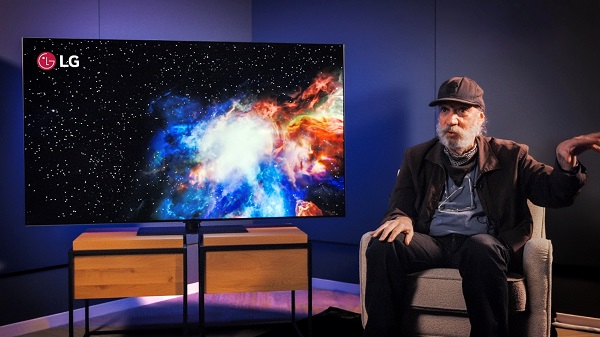
LG Electronics recently brought its latest LG OLED evo AI G6 to Picture Shop, a Los Angeles-based post-production studio, where Hollywood colorists, cinematographers, and imaging specialists evaluated the company’s newest OLED television using the same standards applied to professional filmmaking workflows.
Among those attending were veteran color scientist Joshua Pines, whose credits include Blade Runner, Saving Private Ryan, Gravity, The Revenant, and Old, along with cinematographer Johanna Coelho and colorist Tony D’Amore, both of whom worked on the award-winning television series The Pitt.
Built to reproduce the creator’s vision
At the center of the demonstration was the LG OLED evo AI G6’s updated display technologies, including Hyper Radiant Color Technology, Brightness Booster Ultra, and the Alpha 11 AI Processor Gen3.
According to LG, the new OLED panel delivers up to 3.9 times greater brightness while maintaining perfect black levels and accurate color reproduction across different viewing environments. The Alpha 11 AI Processor Gen3 also preserves fine image details and improves overall picture processing.
“The picture quality technology presented by the G6 precisely meets what the entire Hollywood post-production industry has long been demanding,” said Joshua Pines.
Reducing reflections without sacrificing image quality
Another highlight of the demonstration was the G6’s reflection-reduction technology.
LG says the display reduces light reflections by half compared with previous models while maintaining image quality under both bright and dim lighting conditions. The display has also received Reflection-Free Premium certification from an independent global certification body.
For cinematographer Johanna Coelho, reducing reflections plays an important role in preserving the visual storytelling behind a film or television series.
“I think it’s extremely important to have a non-reflective TV to see the color contrast in The Pitt,” she said, noting that reflected light can diminish subtle visual details intentionally created during production.
Why filmmakers care about black levels
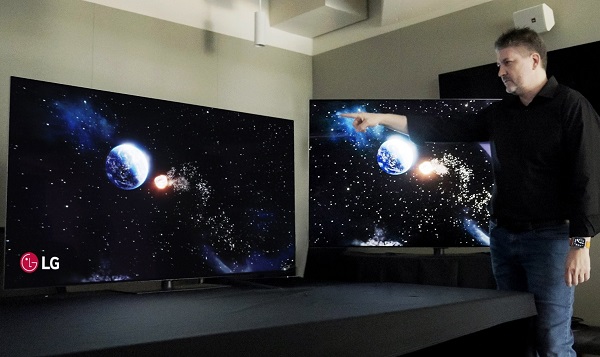
During the discussion, Joshua Pines explained that deep black levels remain one of the most important characteristics filmmakers evaluate when assessing a display.
According to Pines, the G6’s move from a 10-bit to a 12-bit internal video processing pipeline significantly improves tonal gradation while minimizing color banding, particularly in scenes with subtle shadow detail or gradual color transitions.
He cited productions such as The Revenant, where preserving fine gradations in landscapes and skies is critical to maintaining the intended cinematic look.
AI processing supports creative accuracy
Colorist Tony D’Amore said the Alpha 11 AI Processor Gen3 allows brighter highlights, deeper blacks, and richer colors to coexist with fewer compromises during color grading.
He added that improved image processing minimizes color bleeding and allows filmmakers to retain more color saturation while maintaining image stability.
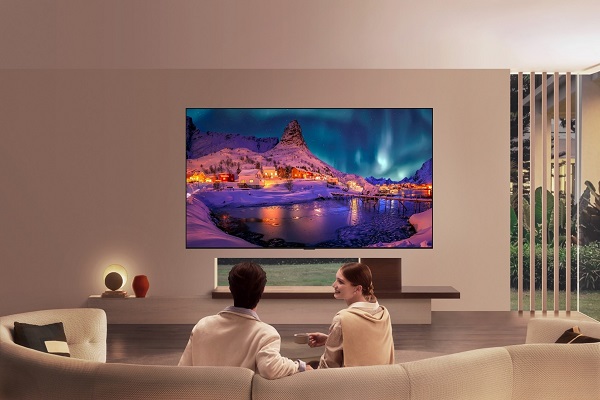
Meanwhile, Coelho emphasized that viewing conditions influence how audiences experience films and television programs, making accurate color reproduction and effective reflection control important for preserving the creator’s intent at home.
Pines also highlighted Filmmaker Mode, noting that it helps reproduce the colors and tonal characteristics established during professional color grading by adapting image settings to ambient lighting conditions.
In Summary
Rather than relying solely on specifications, LG demonstrated the OLED evo AI G6 before Hollywood professionals whose work depends on accurate image reproduction. Their feedback highlighted the TV’s deep black levels, improved brightness, reduced reflections, and AI-powered image processing, reinforcing its focus on delivering home viewing experiences that remain faithful to the filmmaker’s original vision.