
How algorithms, AI, and fleeting virality will shape how we think, feel, and connect in 2026
It is barely the first few weeks of 2026, yet every feed already feels overwhelming. Viral sounds, fleeting New Year jokes, and tiny challenges fill timelines, appearing and disappearing almost instantly. Scrolling, tapping, reacting, it all moves so quickly that noticing one trend often means missing the next.
This constant churn is not just entertainment. Pop culture is no longer a passive pastime but an active force, quietly shaping how people think, choose, and behave in real time. Every swipe feeds a system designed to capture attention, influence emotion, and reinforce social norms, often before we are even aware of it.
Microtrends are the smallest visible units of this system. They act like microchips in the digital world, short bursts of content, attention, and emotion that collectively determine what is seen, felt, and shared. These trends emerge and disappear within hours, revealing the invisible structure of 2026’s social media culture, one that is built and adjusted in real time.
The average user now encounters hundreds of new trends each day, most of which vanish before they fully register. Yet each one leaves a trace. These tiny pulses feed algorithms that decide what appears next, gradually shaping digital culture through repetition rather than longevity.
The microtrend era was already here
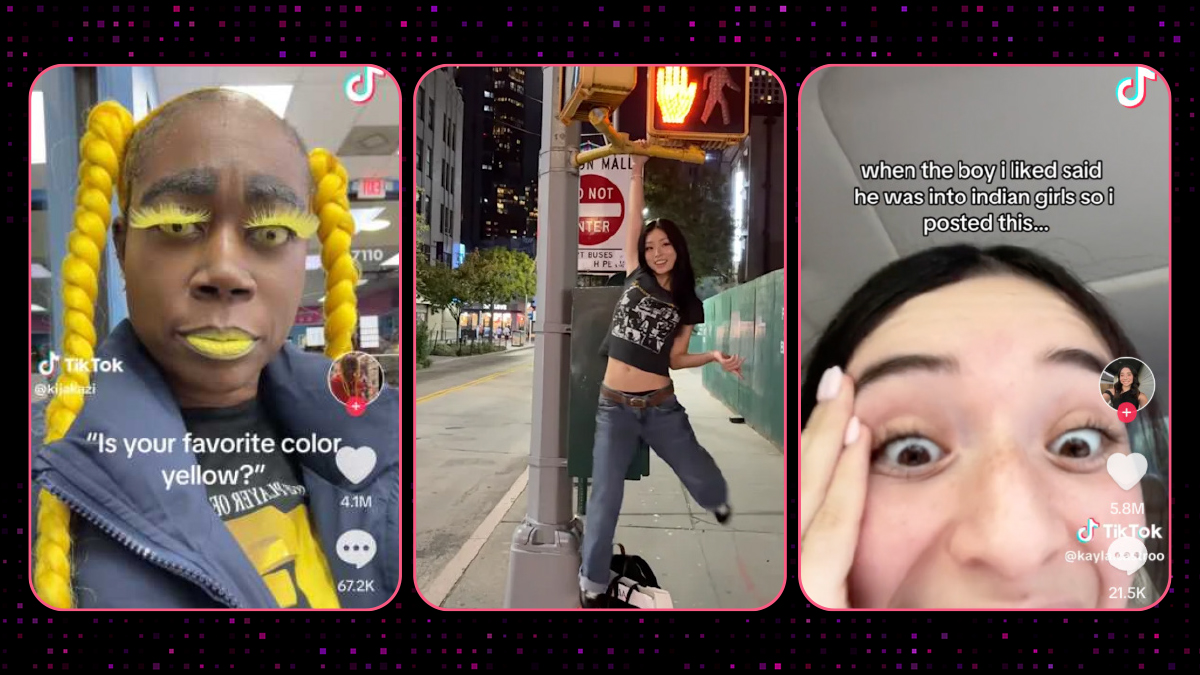
Looking back at 2025, the influence of microtrends was impossible to ignore. Memes, AI-generated edits, viral challenges, and ultra-short videos spread at unprecedented speed. They shaped conversations, guided creativity, and connected communities across the world in a matter of hours.
Trends built around remixable sounds, looping formats, and AI-generated visuals were not just entertaining. They revealed what platforms prioritized, quietly training algorithms on what to push next. Individually short-lived, these trends functioned like cultural processors, calculating attention, engagement, and emotion with every view, share, or reaction.
Several clear patterns reveal how microtrends operate:
Algorithm-driven loops. Recommendation systems push viral content within hours, reinforcing specific formats, behaviors, and creative styles that platforms want repeated.
Niche-to-mainstream pipelines. Many trends begin in hyper-specific communities before spilling into broader feeds, allowing small groups to quietly shape larger cultural moments.
Emotion-driven virality. Content that triggers humor, awe, outrage, or relatability spreads the fastest, influencing mood, conversations, and social norms in subtle ways.
Together, these dynamics point to a simple truth. Even the smallest unit of engagement can create a massive cultural effect. When a trend attracts more participants than it loses, it multiplies rapidly, influencing not just what is popular now, but what platforms will amplify next.
Platforms are no longer neutral spaces
Social media platforms are no longer just stages where culture unfolds. They are engineered systems.
Algorithms function like invisible circuitry, routing content, detecting engagement spikes, and amplifying what resonates most. Artificial intelligence accelerates this process even further. Today, creators can produce viral-ready content in seconds, from stylized filters to fully AI-generated videos. As a result, trend lifecycles have shortened dramatically.
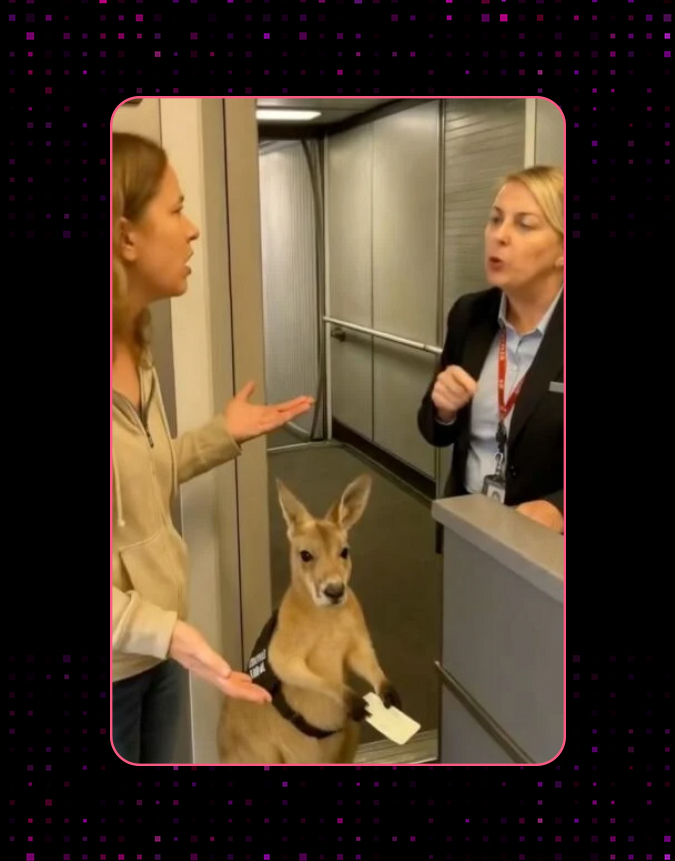
Network effects push this even faster. Small communities act as incubators, producing trends that later cascade into global feeds. Culture no longer moves slowly or linearly. It spreads across networks at machine speed.
What 2026 will bring
Many of these forces are already in motion, but in 2026, they will accelerate, overlap, and become impossible to ignore.
Predictive microtrends may become more common. AI can already suggest viral ideas. Soon, it may generate entire trends before people consciously notice them, fully formed and optimized for attention from the moment they appear.
Virality will become increasingly personal. Algorithms already curate feeds differently for each user. In 2026, what feels viral to one person may never appear on another’s screen, creating parallel cultural experiences happening at the same time.
Ethical filtering will also evolve. Platforms have started intervening earlier when content becomes harmful. In the future, dangerous challenges, deepfakes, or misinformation may be slowed or stopped before they peak, while safer and more positive trends are pushed forward.
At the same time, authenticity will continue to matter. AI-generated content may dominate in volume, but emotionally genuine moments will remain powerful. Imperfect dances, spontaneous laughter, and real reactions are still the trends people copy, remix, and feel connected to.
Culture still belongs to people
In 2026, microtrends will not simply reflect culture. They will actively shape it. Each one is an invitation to participate, remix, and influence the systems that decide what matters.
Amid algorithms, artificial intelligence, and endless scrolling, human creativity and emotion remain the force that gives trends meaning. The future of digital culture is not something we just consume. It is something we help build, moment by moment.
Every swipe is a choice. Every reaction becomes data. And every microtrend is a small chance to steer culture, even briefly, toward something more human.
Words by Aljhelyn Piador
Also published in GADGETS MAGAZINE Volume 26 Issue No. 6