
SPOILERS AHEAD!
Before Toy Story 5 even hit theaters, I thought I already had it figured out. The trailers made it look like Pixar was going back to basics. It’s another round of toys versus technology, nostalgia versus screens, toys versus whatever shiny new gadget was about to ruin childhood this time. Lilypad was framed like the obvious villain, the kind of tech that would slowly push Bonnie’s toys into retirement. So I walked in fully expecting Pixar to politely remind us that screens are bad and childhood was better when toys could still hold a monopoly.
But Toy Story 5 isn’t really about technology replacing toys. It’s about children growing up in a world where technology promises to help them do something far more difficult: make friends.
That realization completely changed how I looked at the movie.
Bonnie Was Never Replacing Her Toys
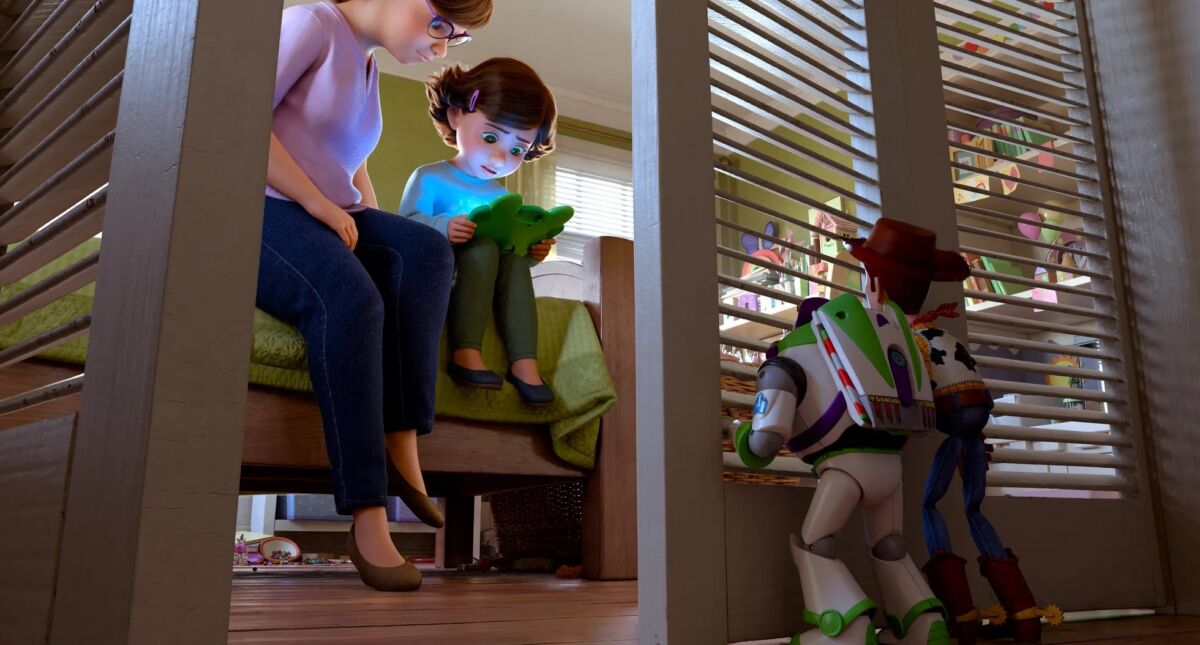
She isn’t reaching for Lilypad because her toys have become boring. She’s reaching for it because she believes it can help her win the hearts of the other children. She simply hopes Lilypad can help her fit in.
And that’s exactly the promise technology often sells.
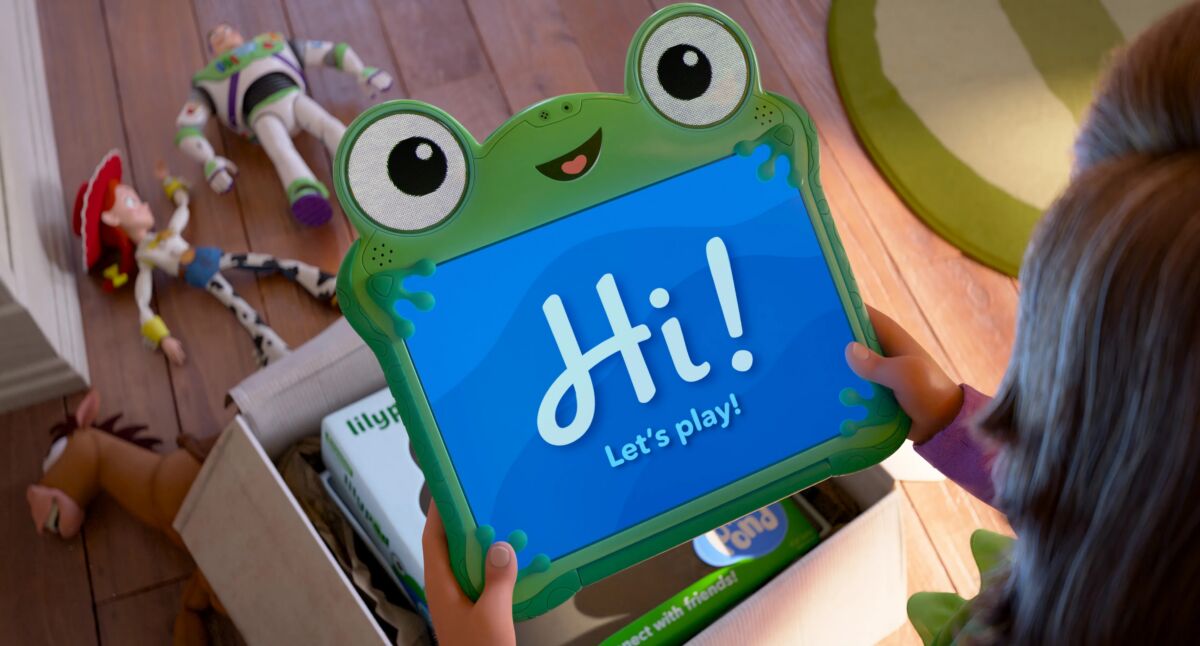
Lilypad isn’t simply another toy competing for Bonnie’s attention. It’s presented almost like a social shortcut. It is a device that can recommend, organize, and facilitate friendships.
But as I watched the film, one question kept lingering in my mind:
Can friendship really be engineered?
The Movie Made Me Rethink What “Play” Means
One scene kept replaying in my head long after I left the theater.
Bonnie and Blaze weren’t just playing with toys. They were directing stories. Every toy became a character. Every conversation created a new adventure. They weren’t consuming a world. They were building one.
Toys ask children to invent worlds that don’t exist yet. Screens often invite them into worlds that someone else has already imagined.
I don’t think Toy Story 5 is trying to argue that one kind of play is right and the other is wrong. Instead, I think it’s asking what happens when creativity slowly gives way to consumption. Technology can absolutely inspire creativity. It can educate, entertain, and connect us in ways toys never could. But imagination is like any other skill. If we stop practicing it, we slowly stop creating our own worlds and begin living mostly inside worlds someone else has already built.
And once that shift happens, it’s hard to notice until you’ve already moved inside it.
“Tech Is for Everything”
One line from Woody stayed with me more than any other.
“A toy is for play. Tech is for everything.”
At first, I thought it was simply Pixar drawing a line between old and new. But the more I thought about it, I realized Woody wasn’t entirely wrong. Compared to a toy, technology almost feels limitless. Yet that’s also its greatest weakness.
Because it tries to be everything, it sometimes struggles to become one thing exceptionally well. Lilypad can answer questions, recommend activities, organize games, and connect children. But despite everything it can do, it never truly understands what makes a toy special.
A toy doesn’t need endless features. It only needs enough imagination for a child to do the rest.
That’s the difference between function and meaning.
That’s why I don’t think Toy Story 5 is saying technology is bad. I think it’s saying technology works best when it expands our creativity, and not when it quietly replaces it.
The Parents Didn’t Feel Like Villains
One thing I genuinely appreciated about the movie was how it treated the parents.
It would’ve been easy to portray them as adults who simply hand their children a screen because it’s convenient. Instead, I saw something much more familiar. I saw exhausted parents trying to solve a problem that doesn’t have an easy answer.
How do you help your child make friends?
If a device promises to make that easier, I honestly understand why any parent would be tempted to believe it. The movie never judges them for that. It simply shows how convenience slowly becomes dependence.
Technology has become a survival tool.
Not because parents care less, but because parenting itself has become more complicated.
What struck me most was the irony. The more technology promises to solve loneliness, the fewer chances children may have to practice the awkward conversations, uncomfortable introductions, and small acts of courage that actually build friendship.
What the Movie Leaves You Sitting With
The thought that stayed with me long after the credits, wasn’t about whether the Toys or Lilypad had won. It was something much simpler but harder to shake: what actually happened to all the other kids? Did they genuinely become friends, or did they only end up as companions who were connected because a system placed them together?
Technology is extremely good at introducing people to others who share their interests. It can connect us to gaming communities, fandoms, hobby groups, and individuals we might never have met otherwise.
But shared interests don’t automatically translate into friendship. They only create opportunities for it.
Friendship still requires something technology cannot fully provide, and that’s the time spent together without prompts, awkward conversations that aren’t optimized, trust that builds slowly, and the conscious decision to stay even when nothing is recommending that you should.
No device can do that part for us.
And that’s the quiet truth the film leaves to kids—and even more so to adults. Connection is easy now, but friendship is still hard work.
Words by Aljhelyn Piador