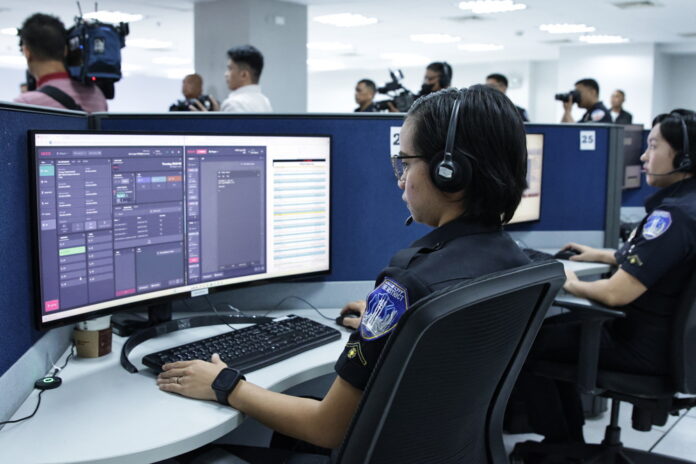
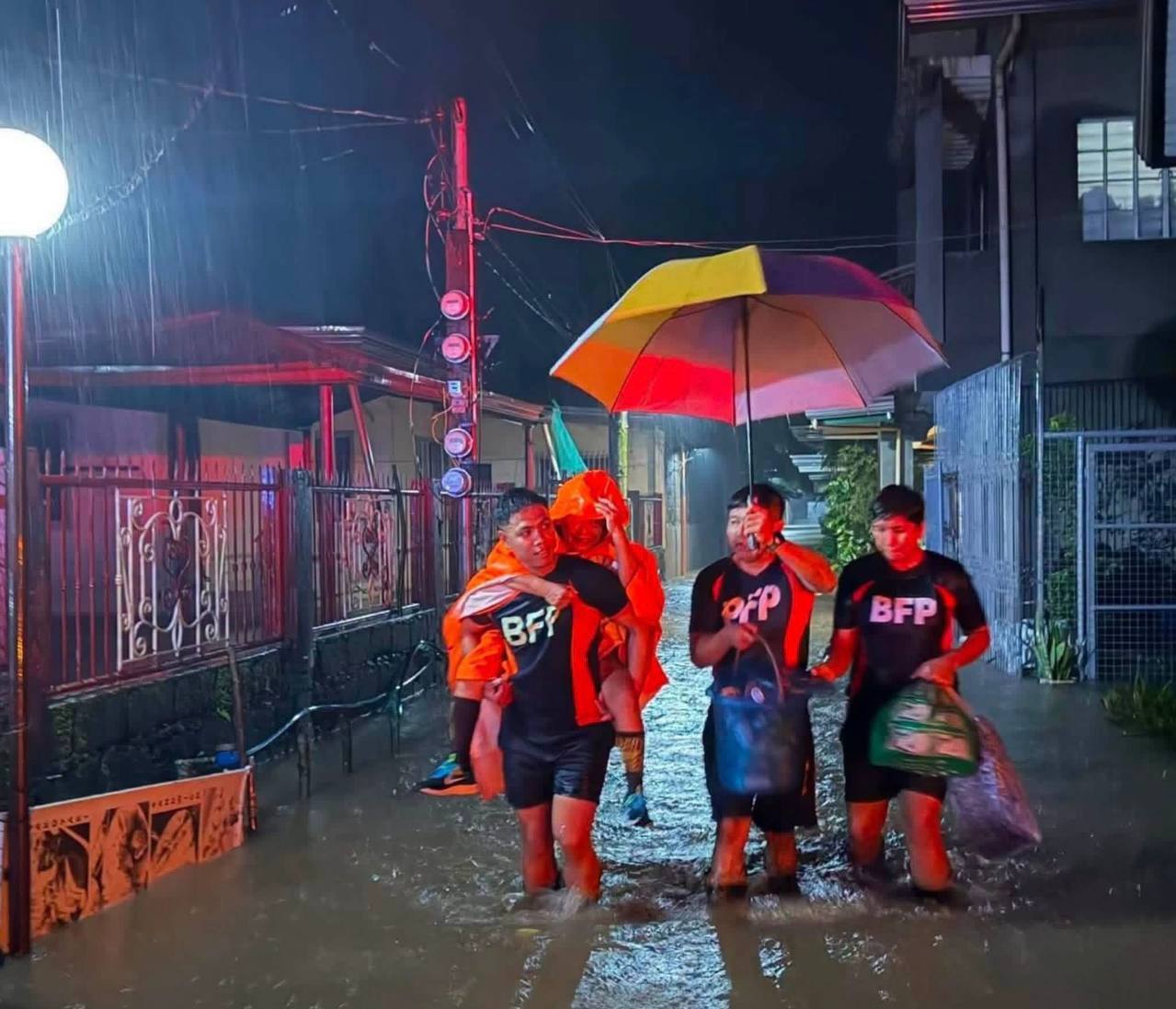
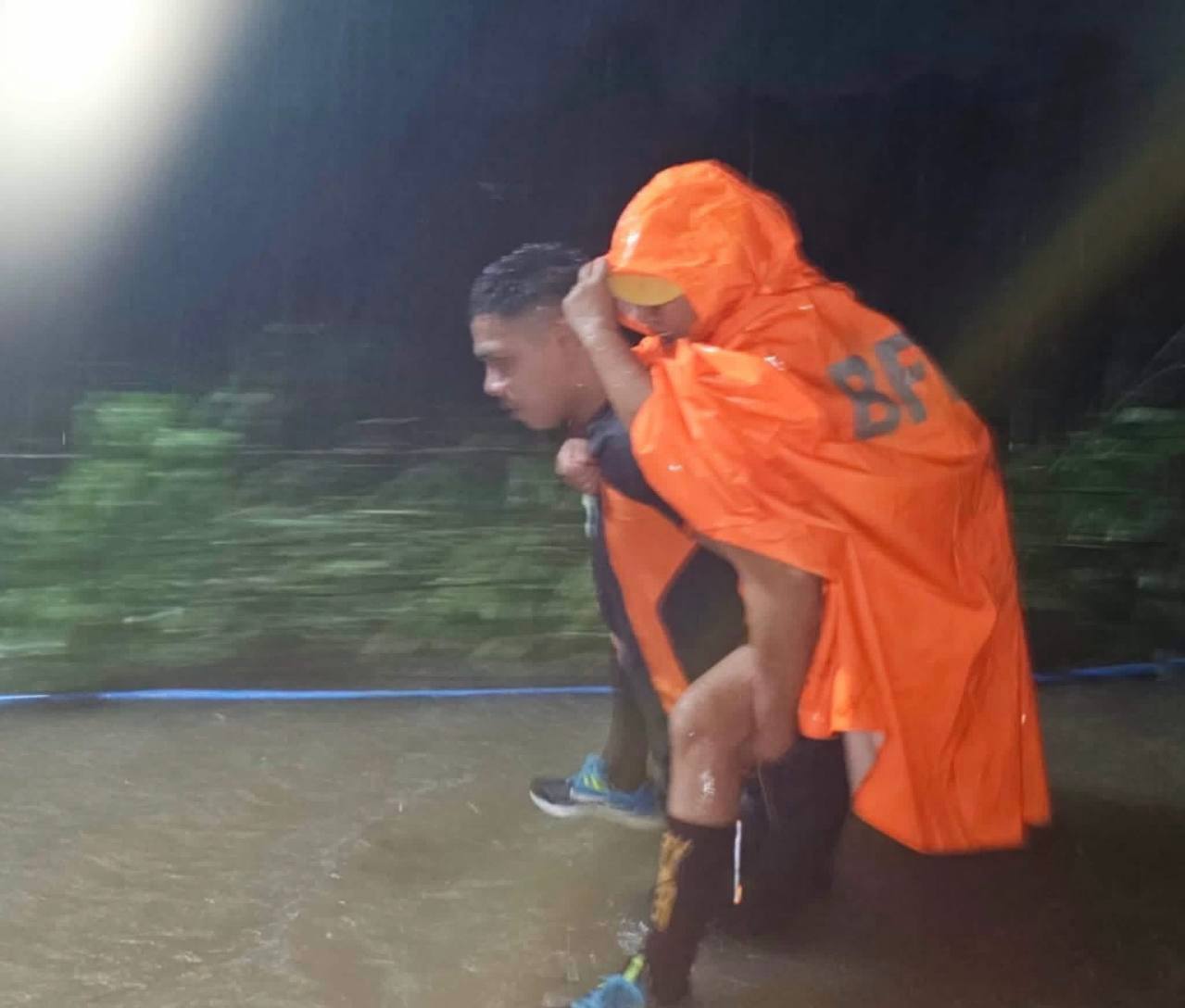
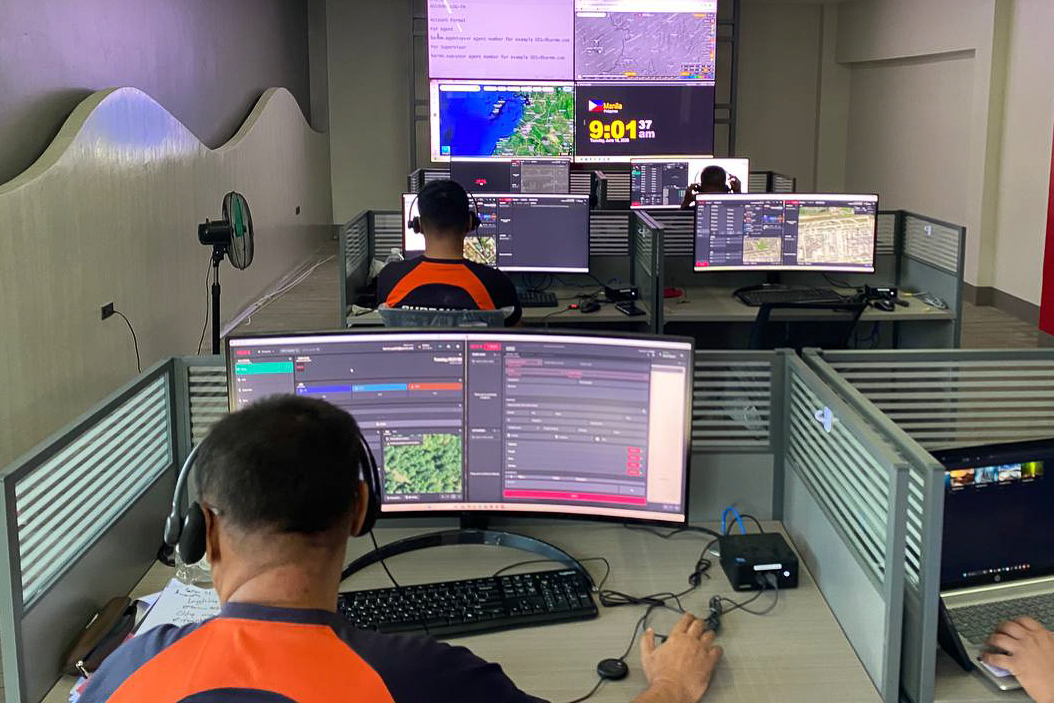
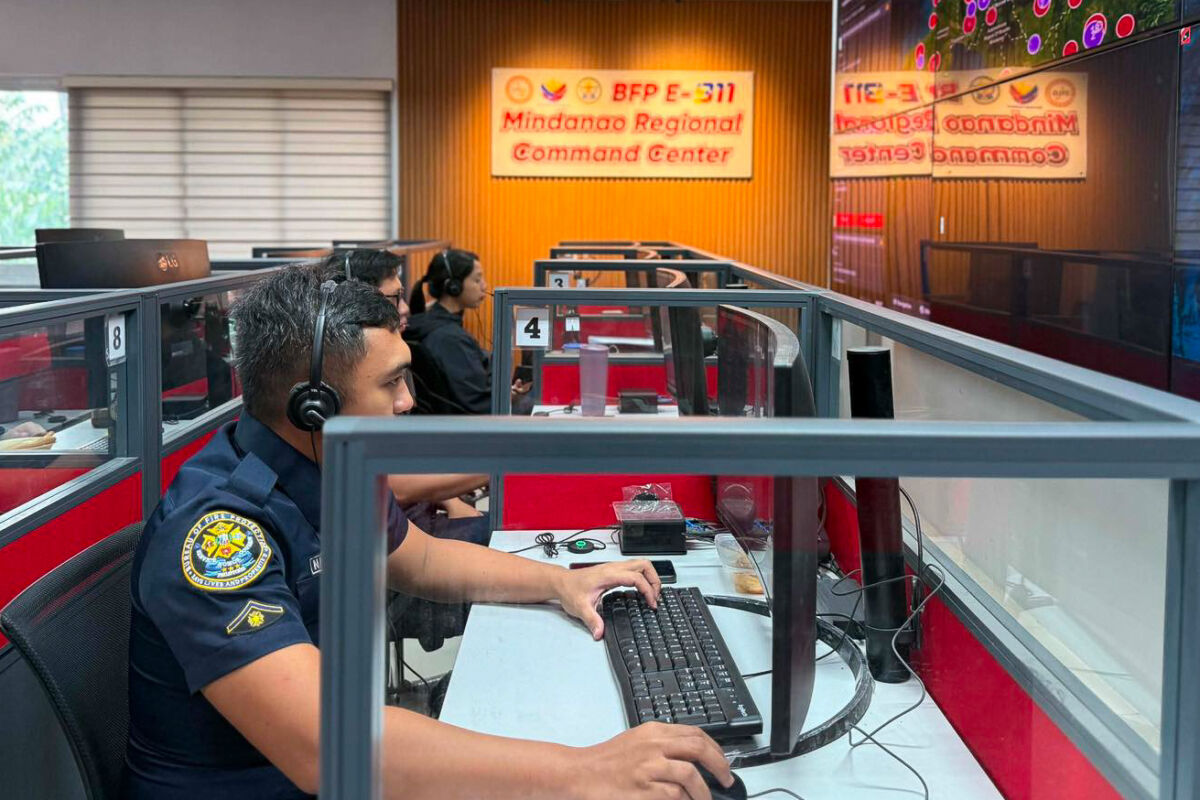
Unified 911 maintained continuous operations during severe Habagat conditions, receiving emergency calls from residents affected by rising floodwaters, stranded vehicles, and submerged homes.
The National Command Center received requests for assistance from areas including Parañaque, Las Piñas, Cavite, Bulacan, and Batangas. Residents were assisted through boat and firetruck rescues, evacuation transfers, and efforts to free people trapped in homes and vehicles. The fastest response time recorded during the rescue operations was two minutes.
Emergency lines remain operational
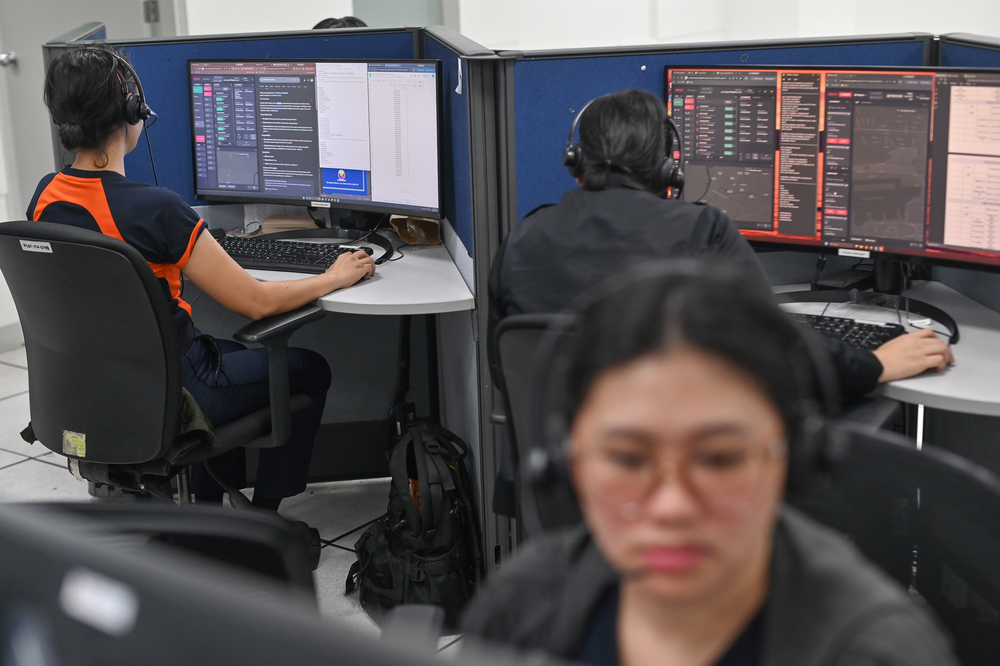
The Unified 911 system reported no downtime during the period of heavy rain and flooding, ensuring emergency calls continued to reach the national command infrastructure.
“911 is always in heightened alert, more so during this type of disaster. All personnel leaves were canceled, and responders were recalled to duty to ensure every command center is fully staffed, fully operational, and ready to take critical calls without delay,” said Francis Fajardo, executive director of the National 911 office.
Sean Valdez, strategic governance and operations manager of NGA 911 Philippines, said previous emergency situations were often complicated by dead zones, line congestion, and communication blackouts.
“In the past, during typhoons and habagat, citizens encountered dead zones, line congestion and communication blackouts. Now there is guaranteed citizen access, zero downtime, and immediate relay of emergency calls to first responders,” Valdez said.
Real-time caller data supports call relay
Unified 911 uses NGA technology together with Unified Platform for Communications and Dispatch (UPCAD) tools, which provide real-time caller data, location tracking, and digital workflows. Rugged mobile devices are also used to support communications among responding units.
These tools are intended to reduce reliance on approximated caller locations and improve the speed and accuracy of emergency call handling.
Valdez emphasized, however, that Unified 911 functions primarily as the central intake and relay point for emergency calls rather than as the direct coordinator of rescue teams on the ground.
“Unified 911 serves as the central intake and call relay engine for 911 emergency calls. It does not directly coordinate on-the-ground rescue units. The call relay process remains consistent regardless of the system used,” he said.
Expanding access beyond voice calls

Rob Llaguno, country head of NGA 911 Philippines, said the next phase of the system is expected to expand access beyond conventional voice calls.
According to Llaguno, Unified 911 is planned to become accessible through Meta social platforms for digital messaging. The source does not provide a launch date or implementation timeline for this capability.
The expansion is intended to give citizens and visitors additional ways to reach emergency services once the system reaches full operating capacity.
In Summary
Unified 911 reported zero downtime during severe Habagat conditions while handling emergency calls from flood-affected areas in Metro Manila and nearby provinces. The system used real-time caller data, location tracking, and digital workflows to relay calls to first responders, with the fastest recorded rescue response time at two minutes. NGA 911 Philippines also says future plans include expanding access through digital messaging on Meta platforms.