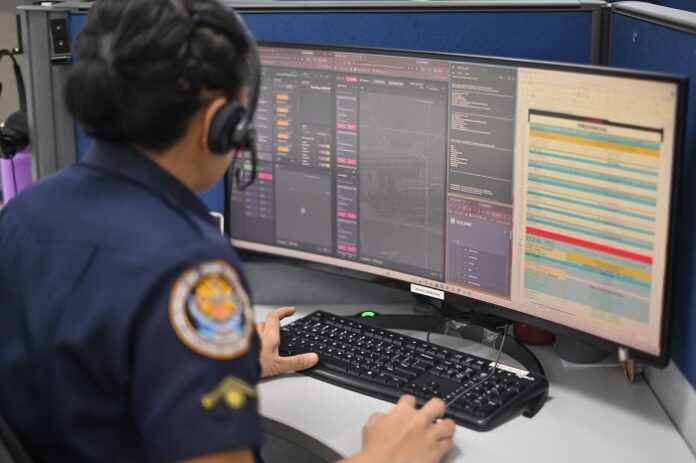

Unified 911 has introduced a real-time AI translation capability designed to help foreign nationals communicate more effectively with emergency responders in the Philippines, making emergency services more accessible to tourists, expatriates, and international businesses operating in the country.
With an estimated 400,000 to 500,000 tourists visiting the Philippines each month and around 133,000 expatriates living in the country semi-permanently, the new feature aims to remove one of the biggest barriers during emergencies: language.
AI-powered translation for faster emergency response
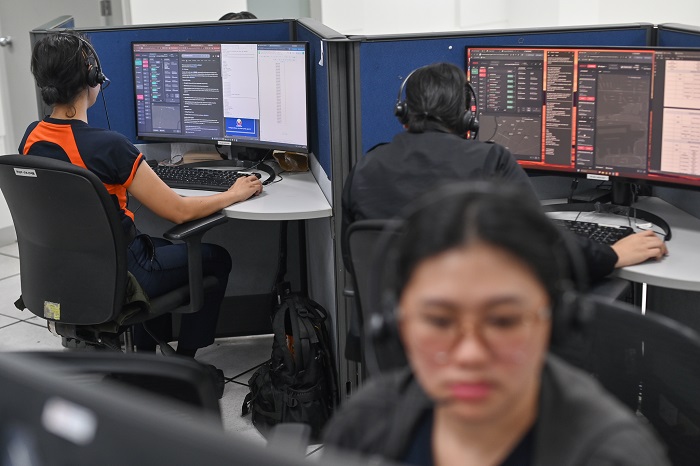
The new capability is powered by NEXiS Connect, NGA 911’s call-handling platform, which can automatically translate a caller’s spoken language into English or Filipino in real time. This allows Unified 911 call takers to immediately understand emergency situations without requiring third-party interpreters.
The voice-to-text translation feature currently supports English, Filipino, Spanish, French, German, and Italian, with additional languages planned as the platform expands its multilingual capabilities. By reducing the time needed to overcome language barriers, the system is designed to speed up emergency dispatch and improve response times.
Helping tourism and business
According to Robert Llaguno, country head of NGA Philippines, eliminating language barriers can make the Philippines a more attractive destination for international visitors.
“Safety is a primary factor for global travelers,” Llaguno said. “Knowing that language barriers are eliminated by advanced AI removes the fear of being stranded during a medical issue or natural disaster while in the country. This makes the Philippines a more competitive, ‘smart tourism’ destination.”
Beyond tourism, the technology also benefits multinational companies, foreign workers, and business travelers by making emergency services easier to access regardless of language.
Multi-channel emergency communication
Unified 911 has also expanded access through NEXiS Message, a secure communications platform that integrates Facebook Messenger, text messaging applications, and traditional communication channels into a single interface used by emergency command centers.
Foreign visitors can contact Unified 911 through Facebook Messenger without requiring a local SIM card or memorizing emergency hotline numbers. Messages are received directly by call handlers, who can respond through the same platform while the system automatically translates replies back into the caller’s preferred language.
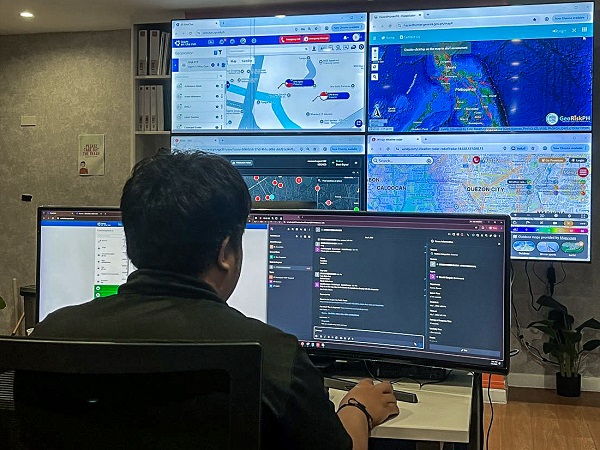
The platform also allows users to send photos, live video, and precise geographic coordinates, enabling responders from agencies such as the Philippine National Police (PNP), Bureau of Fire Protection (BFP), and local Disaster Risk Reduction and Management Offices (DRRMOs) to verify incidents more quickly and coordinate responses using a shared digital workspace.
Supporting faster decisions during emergencies
Llaguno said real-time translation can significantly reduce delays during life-threatening emergencies by helping dispatchers immediately identify the nature and location of an incident.
The technology also enables responders to provide clear instructions for critical procedures such as CPR, controlling bleeding, or evacuating from fires while minimizing the risk of communication errors caused by language differences.
Building more resilient emergency services
The announcement coincides with the Philippines’ observance of National Disaster Resilience Month in July and forms part of Unified 911’s broader effort to modernize emergency response through AI and cloud-based technologies.
NGA said its cloud-native infrastructure enables emergency operations to continue even if a local command center becomes unavailable due to disasters such as typhoons, allowing emergency calls to be rerouted seamlessly to another location without interruption.
In Summary
Unified 911’s latest AI-powered enhancements extend beyond language translation. By combining real-time multilingual communication, messaging integration, cloud resilience, and shared digital collaboration tools, the platform aims to make emergency services faster, more accessible, and more inclusive for both Filipinos and foreign nationals.