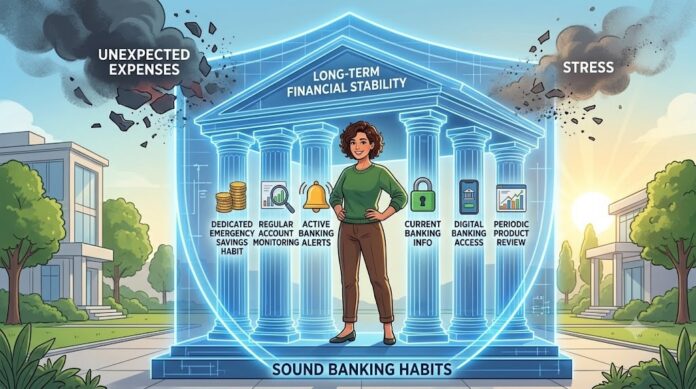

Because they arrive without warning, financial emergencies can often lead to stress and panic. Unexpected medical bills, home repairs, or income changes may disrupt budgets and financial plans, making an already challenging situation even more overwhelming.
While it’s impossible to tell when your next financial emergency will arise, taking stock of your financial habits can have a significant impact on how effectively you can manage these situations in the future. Adopting sound banking habits, for one, can help prevent an unforeseen expense from turning into a financial crisis while supporting your long-term stability.
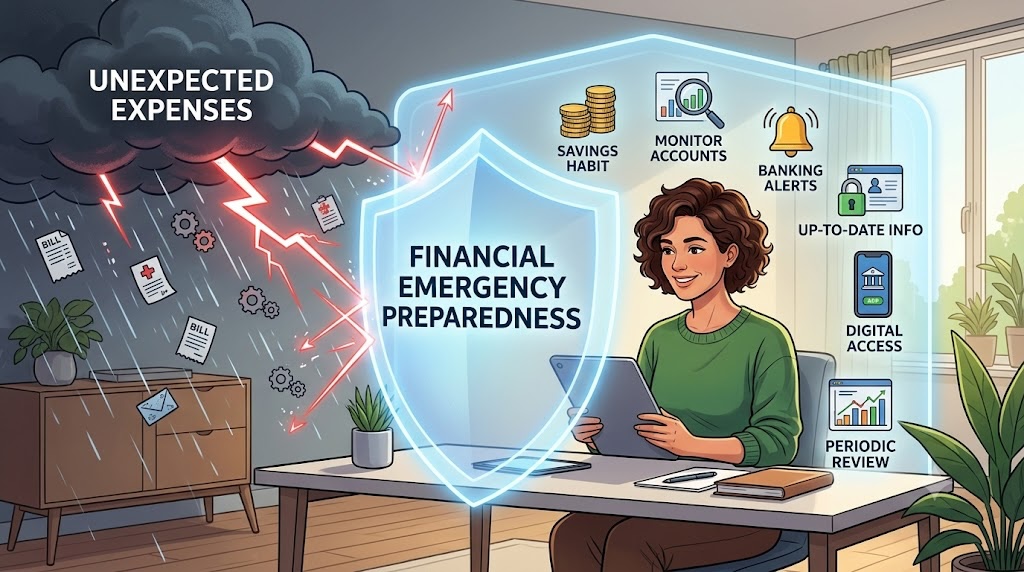
Here are a few banking habits that can help make financial emergencies less stressful by improving your financial preparedness and giving you better access to your money when you need it most.
1. Build an Emergency Savings Habit
First off, regularly setting aside money in a dedicated savings account for emergencies is one of the most effective banking habits you can develop. By keeping these funds separate from your everyday spending account, you reduce the likelihood of using them for nonessential purchases while ensuring they remain available for genuine emergencies.
Even small, consistent deposits can gradually build a financial cushion that helps cover unexpected expenses along with options like a personal loan. Over time, this habit strengthens your resilience and gives you greater confidence in handling financial emergencies.
2. Monitor Your Bank Accounts Regularly
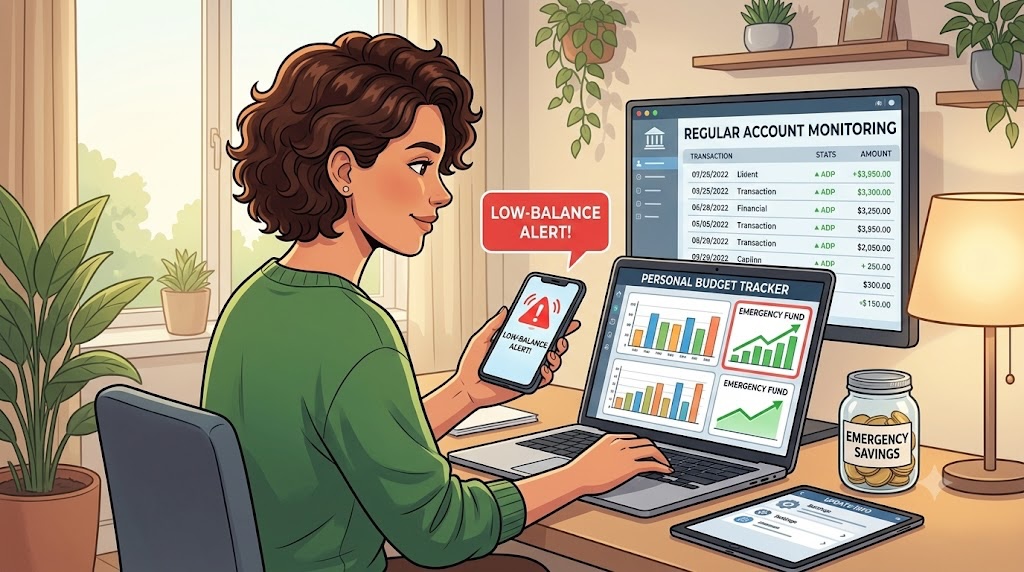
Checking your bank accounts regularly will keep you informed about your available balance and recent transactions. This habit allows you to identify unauthorized charges, banking errors, or unusually high spending before they become larger financial problems. Moreover, during an emergency, knowing exactly how much money you have available will make it easier to make the most responsive financial decisions without unnecessary guesswork.
Regular account monitoring also helps you spot unhealthy spending patterns that may be limiting your ability to save. Many online and mobile banking platforms provide transaction histories and spending summaries that make it easier to evaluate your financial habits. Review this information consistently to be able to make adjustments before financial pressures become more difficult to manage.
3. Take Advantage of Banking Alerts
Banking alerts provide timely notifications that help you respond quickly to changes affecting your account. Low-balance alerts, for example, can remind you to transfer funds before an overdraft occurs. Meanwhile, notifications about large transactions or unusual account activity can help you detect potential fraud early.
During a financial emergency, these alerts also help you monitor important account activity while you focus on addressing the situation at hand. Whether you receive an incoming deposit, a bill payment confirmation, or an alert about suspicious activity, timely notifications will improve your awareness and reduce the risk of additional financial complications.
4. Keep Your Banking Information Up to Date
Maintaining accurate contact information with your bank helps ensure that you continue receiving important account notifications, security alerts, and verification requests. An outdated phone number, home address, or email address can result in missing critical communications during a financial emergency. Keep your personal information up to date to also help simplify identity verification when you need immediate access to your accounts.
It’s equally important to review your linked accounts and beneficiary information whenever your financial circumstances change. Keeping your banking records current reduces unnecessary delays if you need to transfer funds, recover account access, or manage financial matters during unexpected situations. This supports smoother banking experiences when time is especially important.
5. Maintain Access to Digital Banking Services
Digital banking allows you to manage your finances quickly during urgent situations. Through online and mobile banking platforms, you can check your account balances, transfer money, pay bills, or monitor recent transactions anytime without visiting a physical branch. Having immediate access to these services can be especially helpful during emergencies that limit travel or require quick financial action outside regular banking hours.
To get the most from digital banking, make it a habit to keep your login credentials secure and your banking app updated. Moreover, enabling security features such as multi-factor authentication will allow you to better protect your accounts while maintaining convenient access.
6. Review Banking Products Periodically
Because financial needs naturally change over time, reviewing your banking products on a regular basis can be a valuable habit. A savings account that suited your needs a few years ago may no longer offer the accessibility or features that support your current financial goals. Likewise, changes in fees, interest rates, or digital banking capabilities may affect how well your accounts help you prepare for financial emergencies.
If you take the time to compare your existing accounts with other options, you can ensure that your banking products continue to support your financial priorities. Choosing accounts that provide convenient access to your money, reliable digital services, or competitive savings features can strengthen your financial preparedness and make unexpected situations easier to navigate.
Financial emergencies may be unpredictable, but that doesn’t mean you can’t prepare for them. Build strong banking habits today so that an unexpected bill won’t lead to a stressful situation in the future. Maintaining a dedicated emergency savings account, monitoring your finances regularly, and keeping an eye on your account accessibility and information are all simple habits that can significantly contribute to reduced stress and improved outcomes during urgent situations. With these banking habits in place, you’ll be able to manage financial emergencies with less worry and much greater confidence.