

From vehicle vitals to the perfect playlist, everything you need to know for your very first road trip.
The summer season is the perfect time to explore, and there is no better way to do so than with a classic road trip. Whether you’re heading toward a tourist favorite or an obscure, hidden gem, taking to the open road is an experience to remember.
While many of us grew up in the backseat of the family car, there is something special about reliving those memories as the one behind the wheel—whether you’re traveling with friends, a significant other, or taking your own children on their first big adventure. Of course, the prospect of a long-haul drive can be daunting for a first-timer, but modern technology has made navigation more straightforward than ever.
To help you get started, here are the essential pointers for a seamless journey.
1. Inspect Your Vehicle (and Yourself)
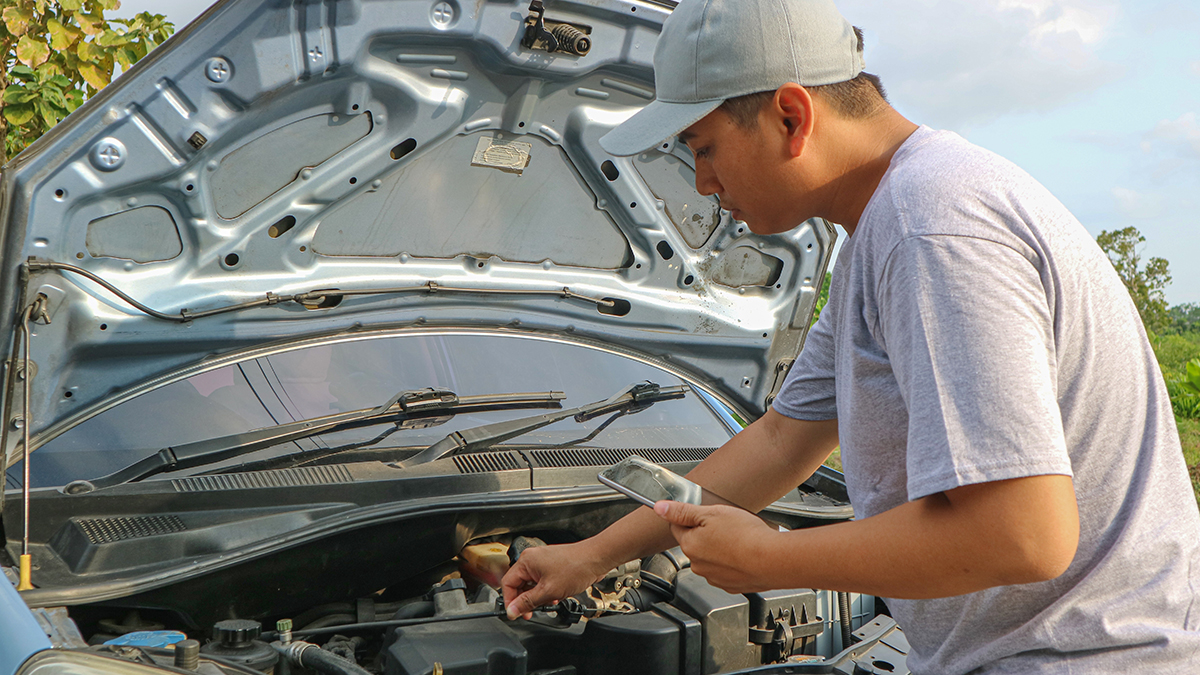
The most critical step happens before you even pull out of the driveway. You are entrusting your safety and the lives of your loved ones to your vehicle, so ensuring it is in tip-top condition is a must.
Always perform a thorough check before departing. A helpful way to remember the essentials is the acronym BLOWBAGETS:
- Battery
- Lights
- Oil
- Water
- Brakes
- Air
- Gas
- Engine
- Tires
- Self
While you can check most of these yourself, for longer journeys, it is wise to have a professional at a service center give the car a once-over.
Equally important is your own mental and physical state. As the driver, you are responsible for everyone in the car. This means starting the trip well-rested and practicing defensive driving. Know your limits; driving for hours through the “vast nothingness” of an expressway can lead to highway hypnosis. If your eyelids feel heavy or your mind begins to drift, pull over at the nearest station for a stretch or a quick power nap. Remember: the destination isn’t going anywhere.
2. Master Your Route
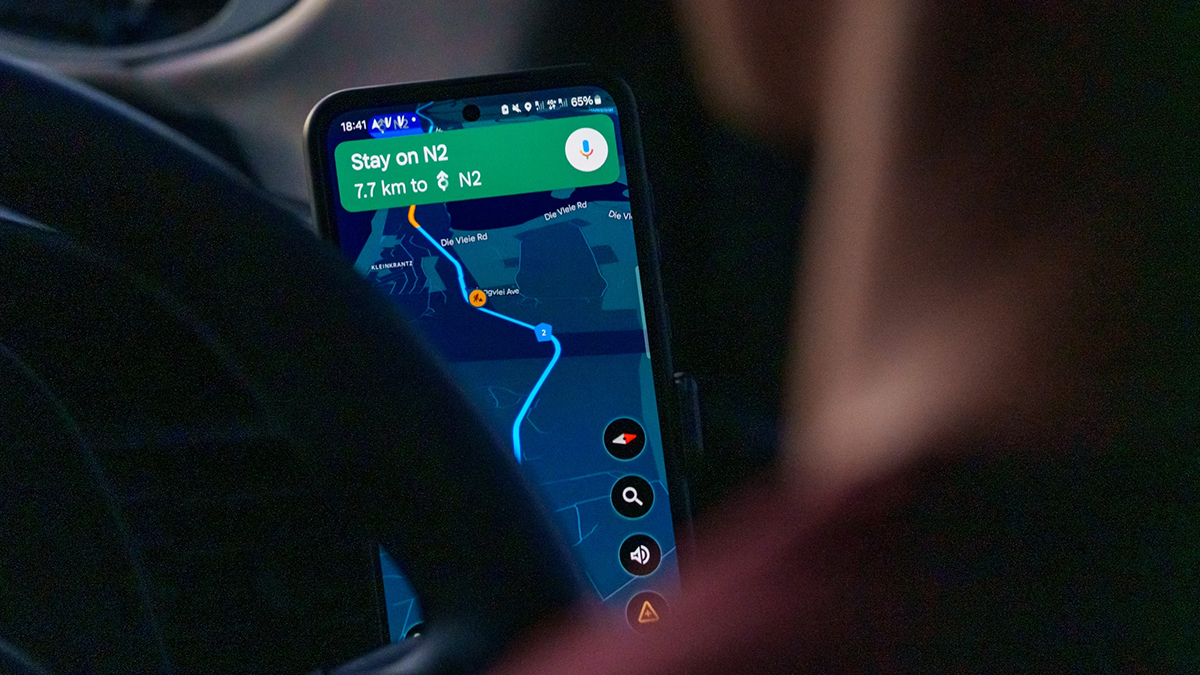
Planning your path is vital, especially for distant destinations. Check your route a day in advance for potential road closures or construction.
In the Philippines, you must also account for the two main toll operators. Since they use different RFID systems, verify which ones you need and ensure your accounts are sufficiently funded. Most expressways no longer have dedicated cash lanes; the final lane is often reserved for those needing to install a new pass or settle an insufficient balance, which can cause significant delays.
Furthermore, download your route for offline use. Mobile data can be “flaky” in mountain passes, dense tunnels, or remote provinces. By saving an offline map on your GPS app, you’ll stay on track even when your bars disappear.
3. Keep Emergency Contacts Handy
Knowing your route also means knowing who to call if things go sideways. Keep emergency numbers for your destination and the expressways you’ll be traversing on speed dial.
One major advantage of the expressway system is the availability of roadside assistance. Most operators offer free towing to the nearest exit or gas station in the event of a major breakdown. For travel on local roads, note the gas stations along your route as you study your map. Just in case you can’t reach one, always ensure your car is equipped with a basic emergency kit and tools.
4. Pack the Snacks and Curate the Soundtrack

A road trip is about the journey, not just the arrival, so make the “in-between” time fun. Pack a variety of snacks to keep energy levels up and help the driver stay alert.
To truly elevate the experience, maximize your car’s infotainment system. Apps like Spotify allow multiple users to contribute to a shared queue, making the music a collaborative effort. If your vehicle supports Apple CarPlay or Android Auto, you can even find apps that feature car-safe games or karaoke-style lyrics for your passengers to enjoy.
Remember, the number one purpose of a road trip is to have fun and enjoy the open road! So do yourself a favor: Relax and enjoy the ride.
Words by Gabriel Pe
Also published in GADGETS MAGAZINE Volume 26 Issue No. 7