
The fintech platform is redesigning everyday HR around self-service, AI-assisted workflows, continuous feedback, and clearer career paths.
Maya is reworking how employees and managers handle everyday HR tasks by moving more processes into self-service and using technology to reduce manual intervention.
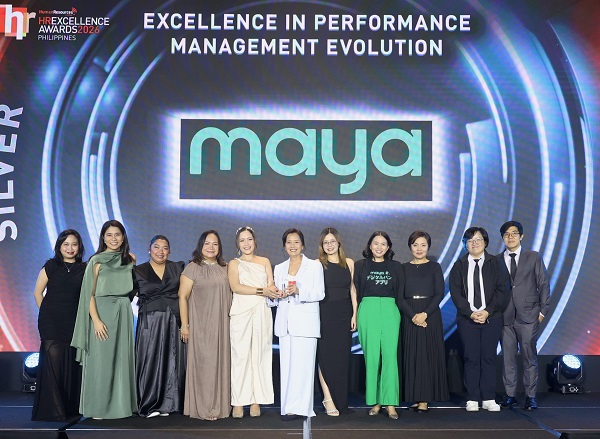
The approach has earned Maya recognition at the HR Excellence Awards Philippines for the third straight year. At the 2026 awards held at Grand Hyatt Manila, Maya received a Silver Award for Excellence in Performance Management Evolution and a Bronze Award for Excellence in the Use of HR Tech, while also being named a finalist in five additional categories: Employee Engagement, Employer Branding, Leadership Development, Talent Acquisition, and Talent Management.
Taking routine work out of the queue
Employees can now generate commonly requested documents such as Certificates of Employment on their own, including those needed for travel, bank, and loan applications. Managers can also initiate transfers, promotions, and other team changes directly in the system instead of routing requests through manual consolidation and uploads.
That shift gives employees and managers more direct ownership of routine processes while allowing HR teams to spend less time handling transactions that can be completed without manual intervention. It reflects a broader effort to remove friction from everyday work and reserve more time for decisions that require judgment, coaching, or context.
AI takes on repetitive checks
AI is being applied to administrative work that would otherwise require repetitive review. For BIR Form 2316 validation, AI-assisted checks flag inconsistencies during submission so HR teams can focus on exceptions instead of manually reviewing every entry.
The technology is also being used for LinkedIn recruitment sourcing and market data. Rather than replacing people in the process, these tools are intended to reduce repetitive work and help teams move through information more quickly.
“There are things employees should be able to do without waiting for HR, and technology helps us get those out of the way,” said Charee Lanza, People Group head at Maya. “But there are also things you cannot automate, good feedback, coaching, career conversations and important people decisions. We want our teams spending more time on those.”
Moving beyond the year-end review
Maya has also changed how performance management works, moving away from a model centered mainly on the annual review. Managers are expected to discuss priorities and progress throughout the year and give feedback while employees still have time to act on it.
This creates a more continuous connection between current performance and future development. Feedback becomes part of the ongoing work cycle rather than a retrospective exercise that happens only at year-end.
Making career paths clearer
Career development is being structured through Maya’s Career Growth Navigation framework, which defines expectations for an employee’s current role and what readiness for the next level looks like.
The framework also recognizes different paths for growth. Employees can develop as specialists, move laterally into other roles, or pursue leadership tracks depending on their skills and career direction.
Taken together, the changes reflect a workplace model where routine transactions are increasingly automated or self-service, while feedback, coaching, career discussions, and people decisions remain centered on human judgment.
More information about Maya is available through the Maya website.