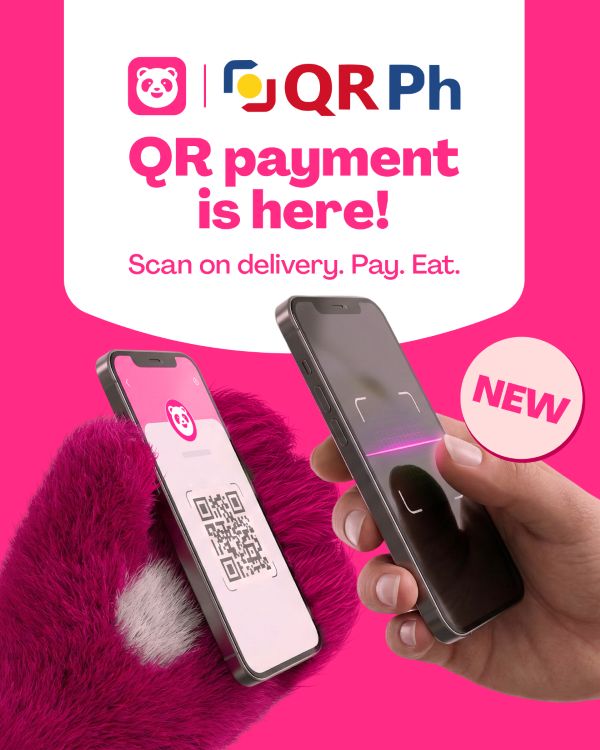

foodpanda Philippines has added a new way to pay for deliveries without touching cash. The company’s new QR-on-Delivery feature lets customers settle their orders at the door by scanning a QRPH code shown by their rider, using any QRPH-supported banking app or e-wallet, including GCash and Maya.
The feature essentially reimagines the cash-on-delivery model: customers still pay upon receipt of their order, but using a digital transfer instead of physical bills and coins.
How It Works
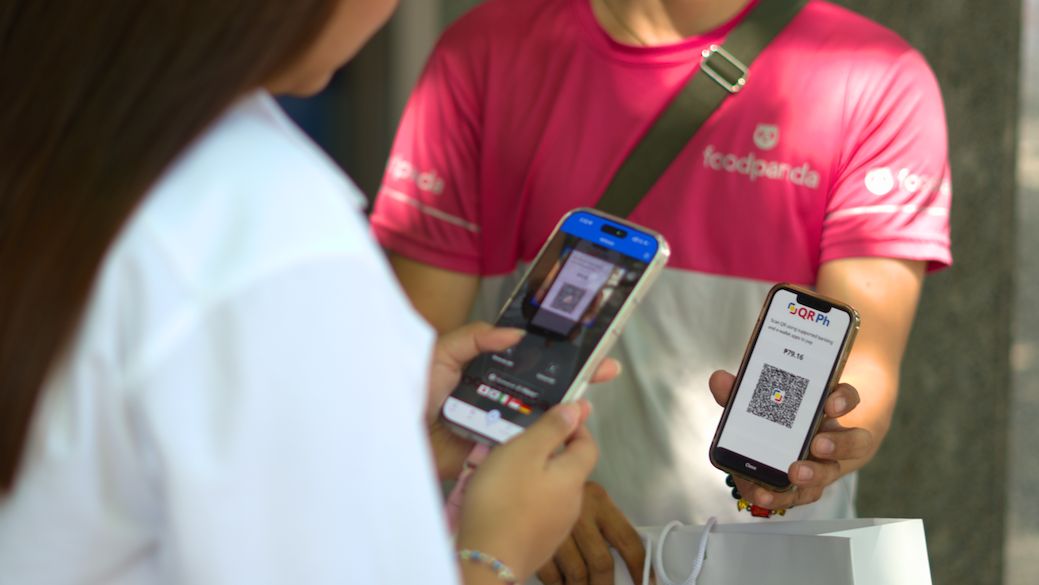
At checkout, customers select QR-on-Delivery as their payment method. When the rider arrives, they show a QR code on their phone. The customer scans it using their preferred QRPH-compliant app, and the payment is transferred on the spot. No change needed, no cash to prepare.
The payment method taps into an existing behavior pattern in the Philippines. Digital wallets are widely used for everyday purchases, but many people still prefer to pay only once their order is in hand. QR-on-Delivery meets both preferences at once, keeping the pay-on-delivery habit intact while removing the need for cash.
It also simplifies things on the rider’s end. With less cash to handle and no need to make change, each delivery transaction becomes faster and more straightforward.
Part of a Bigger Push Toward Cashless Payments
The rollout is timed with the Bangko Sentral ng Pilipinas’ ongoing push for a cash-lite economy, which targets at least 50% of retail payments to be conducted digitally. QRPH is the country’s national QR standard and is designed to work across different banks and e-wallet providers, making it interoperable regardless of which app a customer uses.
Lhecks De Castro, director of finance at foodpanda Philippines, said the feature is designed to close a gap in how digital payments reach customers day to day. “QR-on-Delivery allows us to bring digital payments closer to everyday transactions, particularly in moments where customers still prefer to pay upon receipt. By integrating QRPH into the delivery experience, we’re supporting the broader push toward a more cash-lite economy, making digital payments more practical and accessible in everyday use,” De Castro said.foodpanda currently operates in 192 cities and municipalities across the Philippines. More information is available at foodpanda.ph.