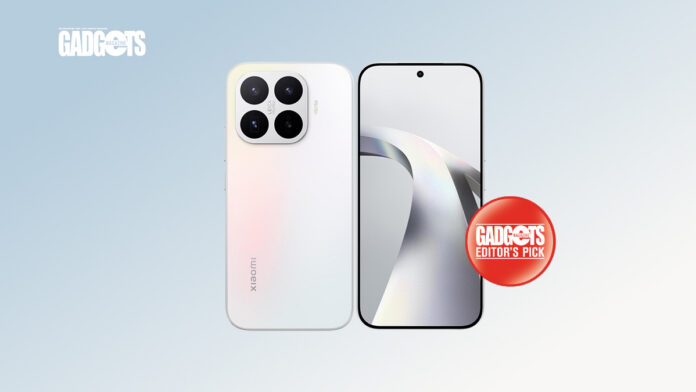

The Xiaomi 17T steps into a competitive and more expensive segment this year. Instead of trying to cram every possible flagship feature into one device, Xiaomi takes a more focused approach, focusing on battery life, zoom photography, and day-to-day usability. That’s a smart move, especially for users who care more about real-world convenience than benchmark scores. With a refreshed design and capable internal hardware, the 17T is clearly aiming to hit a flagship identity without the flagship price tag. But the final say only comes once the spec sheet fades into the background and the phone settles into everyday use.
Design 3.5/5
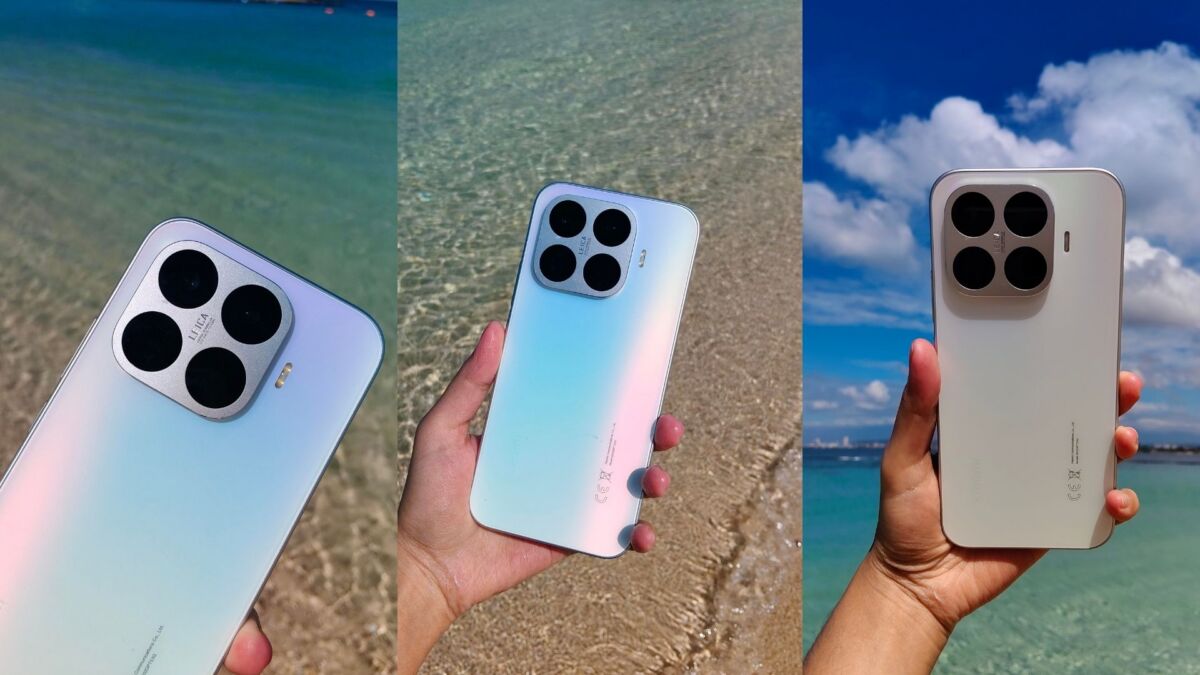
The Xiaomi 17T is one of those phones that feel bigger and more solid than they actually are, yet surprisingly light in the hand. It’s noticeably easier to hold than its sibling, the 17T Pro, which makes a difference during extended use.
The Opal White finish is easily one of its standout traits. It has this reflective, almost shimmering effect that looks especially good under sunlight.
That said, Xiaomi clearly leaned toward practicality over premium materials here. The plastic build won’t give you that cold, glass-and-metal flagship feel. If material quality matters to you and you’re the type who dislikes plastic in any form, that’s something worth taking into account before considering a purchase.
Personally, though, the lighter build makes it more comfortable for everyday use. The fingerprint-resistant back is a small but genuinely helpful touch, keeping the phone looking cleaner for longer.
Another underrated detail is the camera bump. It stays relatively flat, so the phone doesn’t wobble too much when placed on a table, unlike many other camera-centric phones in its class. It’s a simple thing, but it makes day-to-day use smoother.
Hardware 4/5
The Xiaomi 17T runs on the MediaTek Dimensity 8500-Ultra. It’s not chasing the absolute top-end chip race, but in real-world use, it rarely feels lacking. Apps open quickly, multitasking feels smooth, and overall responsiveness stays consistent throughout the day.
What really stands out, though, is the battery. The massive 6,500mAh capacity is not just a spec. It’s the kind of battery that makes you stop worrying about your charger entirely. You’ll still carry one, but you’ll rarely reach for it. Whether it’s photos, videos, social media scrolling, or work apps, the 17T just keeps going.
The speakers also deserve credit. While brands often overpromise on audio, the 17T actually delivers a fuller and more enjoyable sound than expected. Videos, music, and even casual TikTok scrolling feel more immersive.
The only real downside shows up during heavier tasks. Extended gaming or long camera sessions can make the phone warm up faster than ideal.
User Experience 4/5

The real reason to consider the Xiaomi 17T is its camera system, specifically that 5x periscope telephoto lens. Xiaomi calls it a “Telephoto Master,” and after spending time with it, I see why.
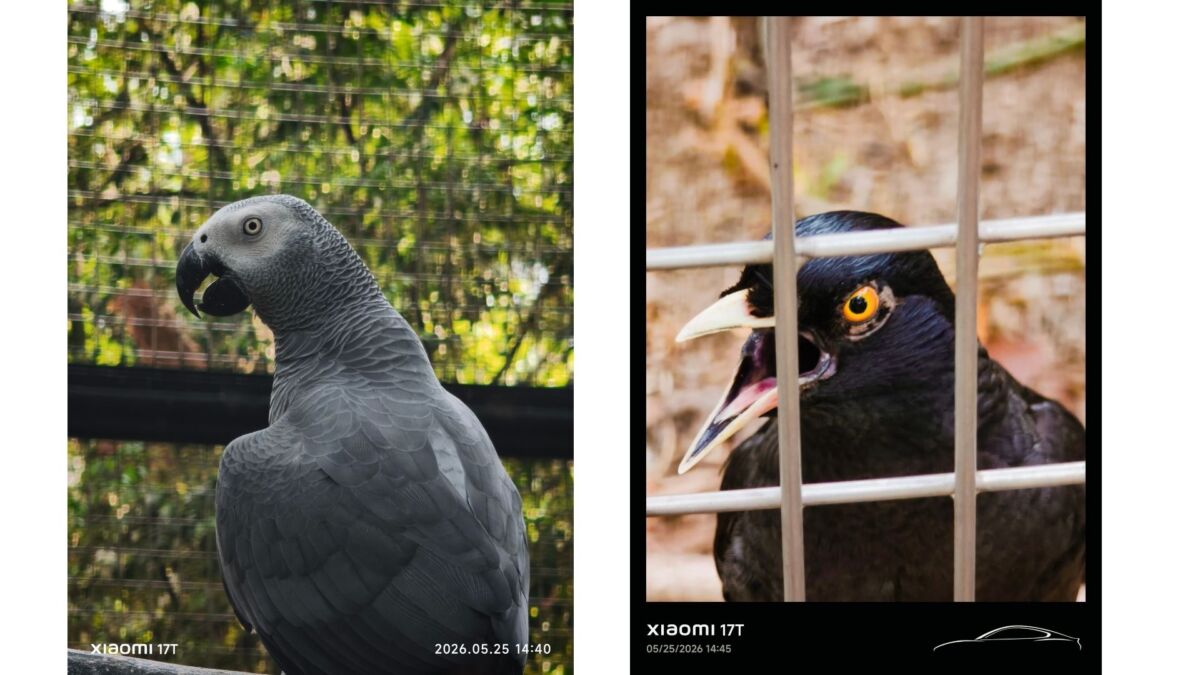
You end up using the zoom camera far more than you’d expect, simply because it actually performs well. Even at 10x zoom, images stay impressively detailed and usable.
Whether it’s distant architecture, small details behind fences, or subjects you physically can’t get closer to, the camera consistently delivers results that feel practical, not just impressive on a marketing level.
One moment that stood out for me was photographing birds in a park in Quezon City. The viewing distance was quite far due to restrictions and enclosures, which is expected in most wildlife parks and zoos, yet the telephoto lens made everything feel surprisingly close. The details held up, and the shot didn’t feel like a compromise.
In one photo of a Philippine eagle, the wing details are still clearly visible. If you look at one photo closely, you can even spot a small feather near its beak, almost like a moment caught mid-action, where it looks like it was just picking at its own plumage. That subtle detail adds a layer of storytelling to the image, making it feel more alive.
Video performance is another strong point. The footage looks clean and polished, and the microphone is solid enough for casual creators or for people who shoot content on the go.
There are also AI features like Live Moment, which turns clips into GIF-style motion shots. What makes it more interesting is how useful it becomes in moments where you feel like you’ve missed the perfect timing to press the shutter. It can still pull something usable or even surprisingly expressive out of a near-miss shot. That kind of small but keen detail-driven feature is genuinely admirable, especially when it quietly saves moments you might’ve otherwise lost.
The AI features are fun to explore and genuinely useful at times, but at the end of the day, what really stands out is the hardware itself. It’s about delivering the results you actually end up keeping.
The display is one of those features you end up appreciating more the longer you use the phone. It’s crisp, vibrant, and sharp enough that it never gets in the way of what you’re watching. Combined with the phone’s comfortable size, it feels particularly well-suited for people who are constantly consuming content throughout the day. It’s compact enough to use comfortably with one hand, yet the display remains immersive enough to make videos enjoyable. For people who seem to always have a video playing in the background while doing something else, this is a natural fit.
Value 4/5
The Xiaomi 17T sits in an interesting space. At PHP33,999 for the 12GB + 256GB variant and PHP37,999 for the 12GB + 512GB variant, it is undeniably a step up from earlier T-series pricing, and longtime users of the 14T lineup will immediately notice that gap.
Rather than trying to compete across every flagship metric, the 17T leans heavily toward photography-focused users, those who value optical reach and real-world shooting flexibility.
In that sense, the pricing appears to be a targeted repositioning. It isn’t trying to be a full flagship replacement. Instead, it’s offering a more accessible entry point into serious telephoto photography, something that typically sits much closer to the PHP60,000+ segment in true flagship devices.
Bottomline
The Xiaomi 17T is clearly designed around everyday usability. Beyond the telephoto setup, the rest of the hardware supports that same direction. The performance is consistent enough for heavy day-to-day use, while the display and overall system experience stay balanced, with nothing aggressively pushed, but nothing underdelivered either. The result is a device that feels tuned for stability.
When placed in the context of phones offering similar zoom capabilities, typically positioned much closer to the ultra-flagship tier, the 17T’s positioning becomes more strategic. It is concentrating value around a specific set of priorities.
Ultimately, this makes it most relevant for users who value a more capable camera system and dependable day-to-day performance, but are not necessarily looking to enter the full flagship space. After spending time with it, the 17T feels less like a device trying to do everything and more like one that deliberately doubles down on what matters most to its target users.
What’s Hot
- Excellent 5x periscope telephoto camera
- Massive 6,500mAh battery
- Comfortable and lightweight design
- Minimal camera wobble
- Strong video quality and audio pickup
- One of the most accessible periscope-camera phones in its category.
What’s Not
- Plastic construction may not feel premium
- Warms up relatively quickly
- Some AI features feel more like extras
Key Specs
- Processor: MediaTek Dimensity 8500-Ultra (Upper-midrange/High performance).
- Battery: 6,500 mAh (Massive capacity for 2+ days of use).
- Charging: 67W Wired HyperCharge + 22.5W Wired Reverse Charging.
- Screen: 6.59-inch 1.5K AMOLED, 120Hz, 3,500 nits peak brightness.
- Main: 50MP with OIS (Light Fusion 800 sensor).
- Telephoto: 50MP Periscope (5x Optical Zoom / 120x AI Zoom).
- Ultra-Wide: 12MP.
- Selfie: 32MP (Supports 4K video).
- OS: HyperOS 3 (Android 16).
- Audio: Dual Stereo Speakers with Dolby Atmos
Reviewed by Aljhelyn Piador. Also published in GADGETS Magazine Vol. 26 No. 11