
The latest Direct-to-Device trials explore emergency alerts, SMS capability, and communications support when terrestrial networks are disrupted.
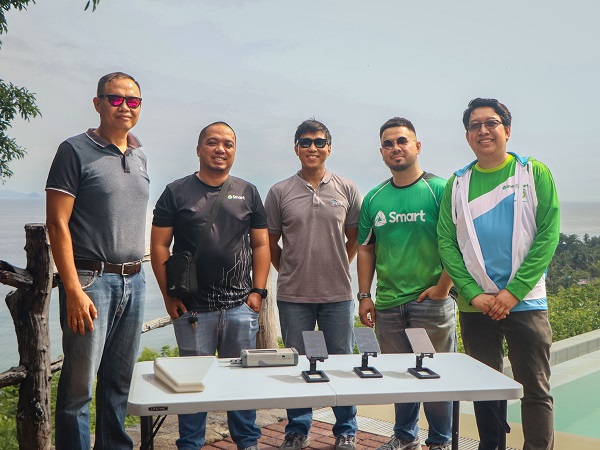
Smart Communications, Inc., the wireless unit of PLDT Inc., has expanded its Direct-to-Device (D2D) satellite service testing to Batangas in collaboration with Lynk Global. The latest trials form part of efforts to strengthen communications resilience and support national disaster response capabilities.
“Reliable communication is essential in times of crisis. As disasters continue to pose challenges to communities across the country, PLDT and Smart remain committed to investing in technologies that help ensure critical information reaches people when they need it most,” said Menardo G. Jimenez Jr., PLDT chief operating officer and network head.
“For us, this goes beyond technology. Our mission at PLDT is to be there for all Filipinos, whether they are talking to family abroad, or requesting for assistance from a rooftop in the middle of a calamity,” he added.
Testing communications during network disruptions
The Batangas activities build on pilot tests conducted earlier this year in Catanduanes and Ilocos Norte. The latest trials focused on demonstrating how satellite-enabled connectivity can help deliver critical communications when terrestrial networks become unavailable during emergencies.
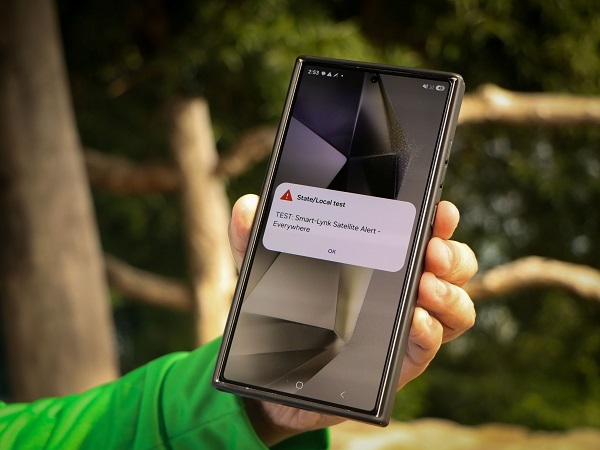
Led by Smart’s Network Strategy and Architecture Team together with Lynk, the tests simulated disaster scenarios in areas where network infrastructure could be temporarily disrupted after a calamity. The trials demonstrated the feasibility of using satellite-enabled cell broadcast capability to send emergency alerts and public safety messages directly to customers in affected communities, supporting government agencies and emergency responders during critical situations.
Extending connectivity beyond terrestrial networks
Direct-to-Device technology is designed to work with standard existing mobile phones, allowing satellite connectivity to complement terrestrial network infrastructure without requiring users to carry a separate satellite handset.
Beyond public safety alerts, Smart and Lynk are also testing two-way communication capabilities such as sending vital SMS messages when terrestrial cell towers are unavailable during typhoons, power outages, and other emergencies.
The technology is also being explored as a way to extend coverage to rural, underserved, and hard-to-reach areas. Potential applications cited by the companies include connectivity for remote workers, people traveling at sea, and fishermen operating in maritime zones.
Building on earlier satellite trials
The Batangas tests add to Smart and Lynk’s earlier D2D satellite trials in Catanduanes and Ilocos Norte, which also examined how satellite technology could complement existing telecommunications infrastructure in remote and underserved locations.
Smart said the continued expansion of these trials supports the PLDT Group’s efforts to explore next-generation technologies for public safety communications, disaster response, business continuity, and national development.
The tests remain part of an ongoing evaluation of how D2D satellite connectivity can supplement terrestrial networks, particularly in a disaster-prone country where reliable communication may become critical when conventional infrastructure is temporarily unavailable.