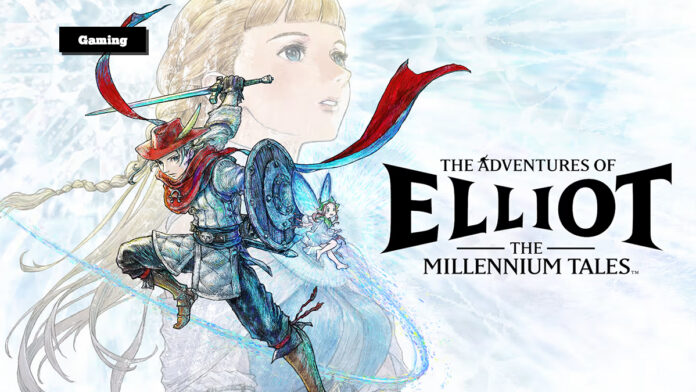

Action RPGs and turn-based RPGs have been locked in a battle to see which is the superior type of RPG for what seems to be forever. The Legend of Zelda popularized the action RPG, while Final Fantasy popularized the turn-based RPG in the late 1980s. Over the years, gamers have played both types, and frankly, there is no clear winner in this nearly 40-year-old debate. However, The Adventures of Elliot: The Millennium Tales has sought to bring action RPGs a step ahead. Can Square Enix and lead developer Tomoya Asano hit a home run with The Adventures of Elliot?
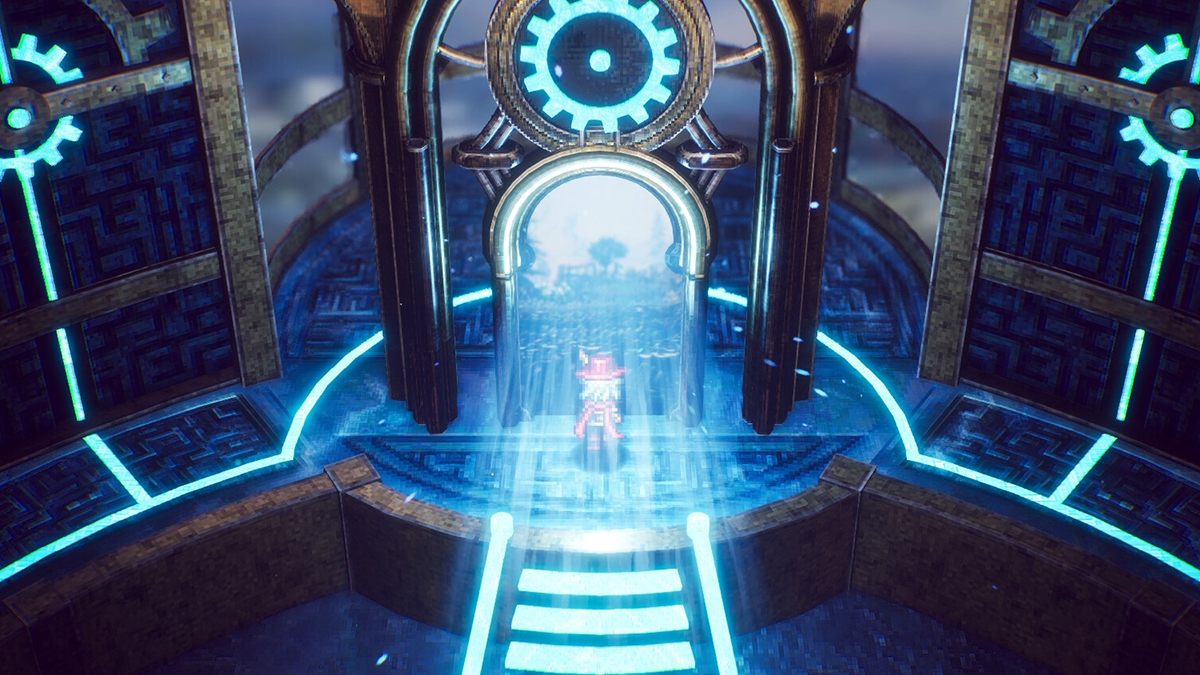
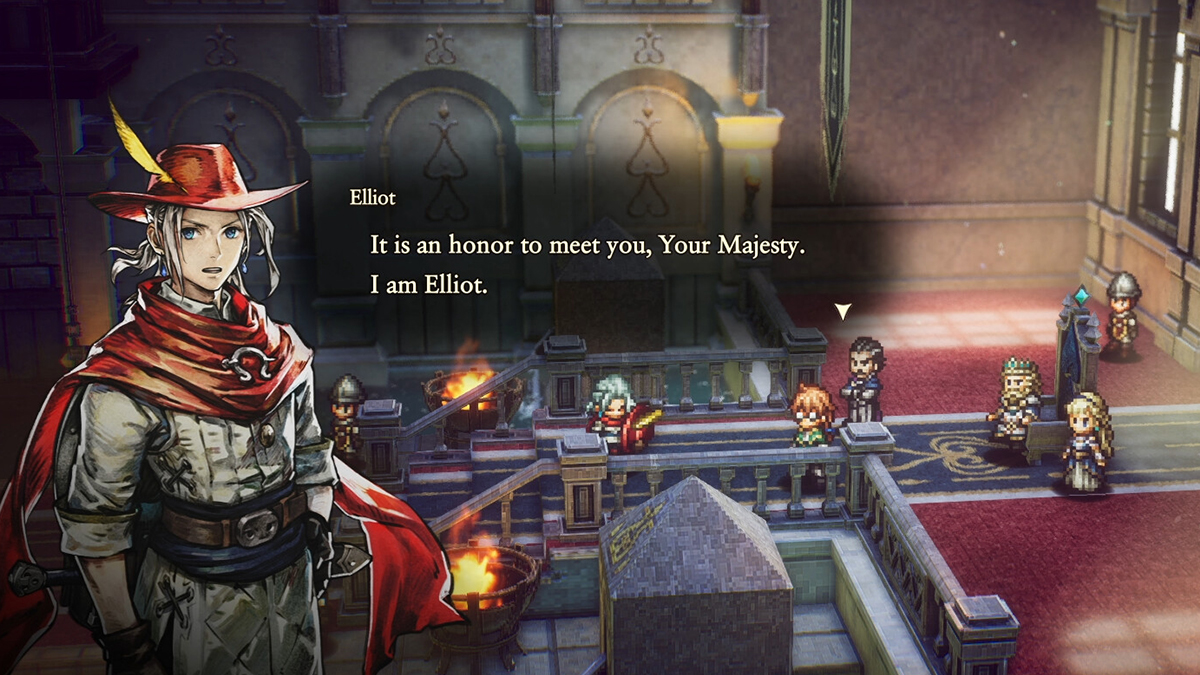
Head developer Tomoya Asano said that the game will have “simple and easy to understand gameplay,” which could mean anyone of any age could play it. Action RPGs are known for their brutal difficulty (just ask anyone who’s played the lesser-known but notoriously hard Alundra, for instance). The HD-2D format, popular for remasters of older games, lends it that old-school RPG charm, which is apparent in the world of Philabelldia. Humans live in the Kingdom of Huther, and Elliot must journey through time with his companion, Fale, to save the kingdom and help people along the way.
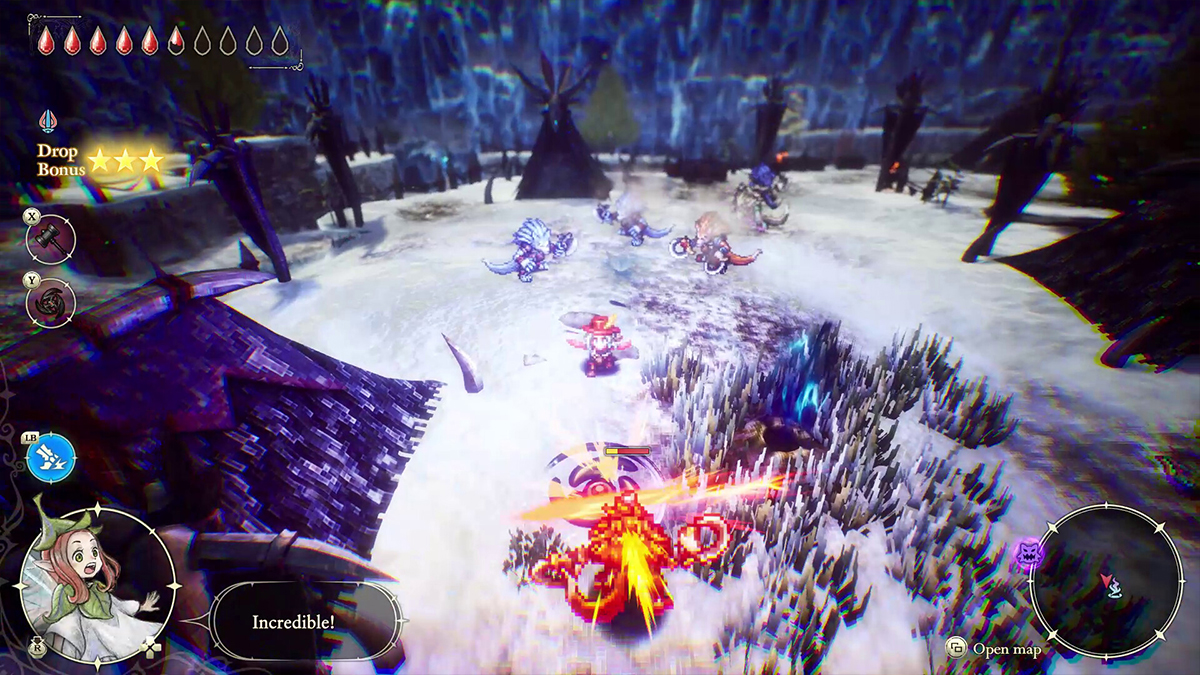
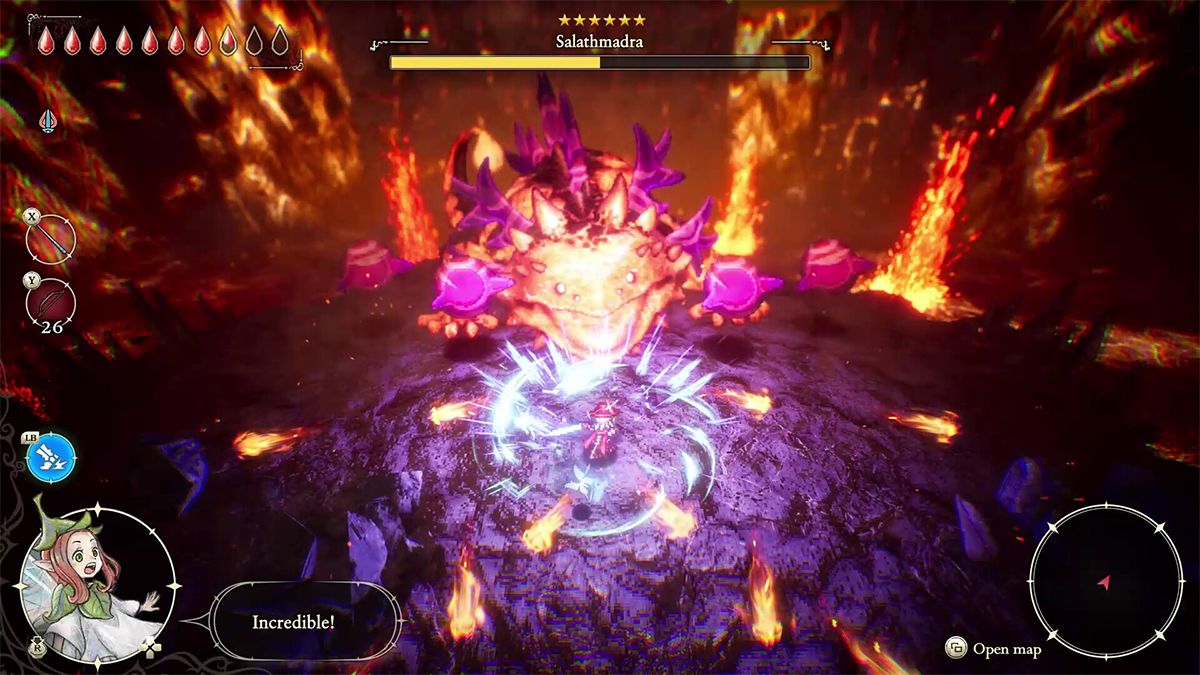
Elliot’s arsenal includes a sword, spear, hammer, and sickle. You can use these against enemies or to clear objects that are in your way. You can also use bombs to blow up specific walls and boulders, a boomerang (my favorite weapon) that can hit loads of enemies in one go, and arrows for long-range combat. One disappointment is the lack of a dodge, but Elliot can block attacks with his shield. The shield becomes key, as you can upgrade the shield to stun enemies, making Elliot’s journey somewhat easier. Fale also has her own set of abilities, such as creating a copy of Elliot, a high-speed boost, teleportation, and a fire-based attack. You can also control Fale independently, allowing you to solve puzzles.
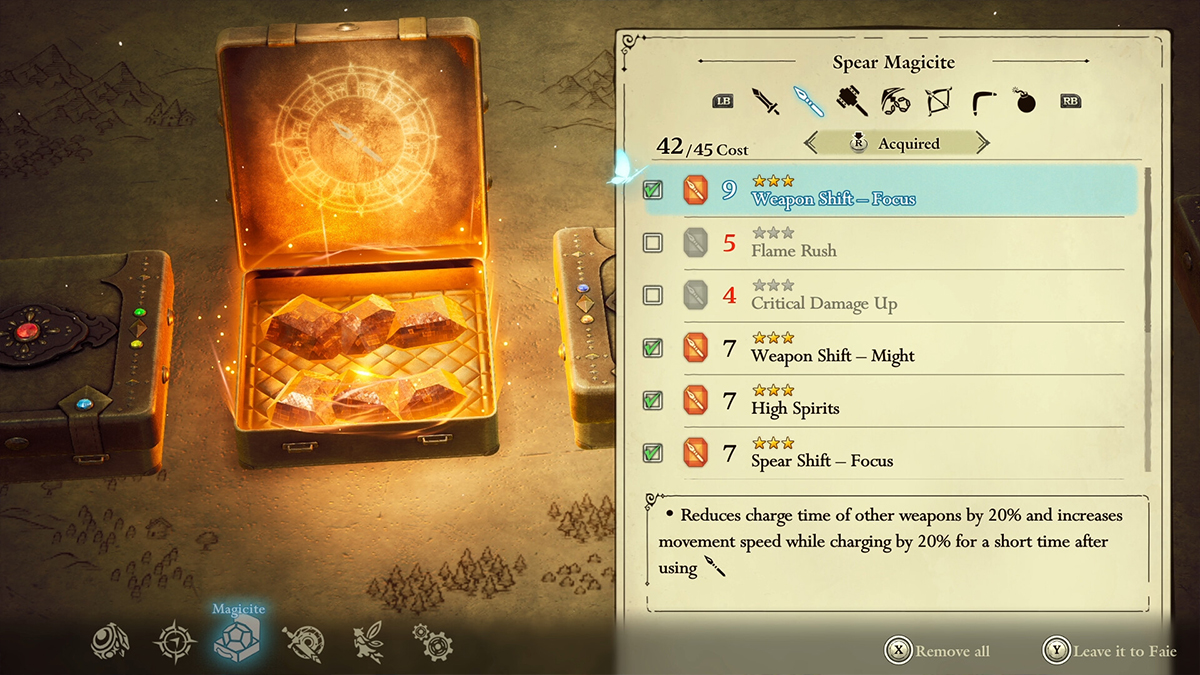
The player can upgrade Elliot’s skills through Magicite depending on their playstyle. The boomerang can be upgraded to hit more enemies, but it comes at a cost: slower movement. If you like going in up close on groups of enemies at the cost of defense, you can also upgrade your sword to hit harder when the shield gauge is full. Magicite can be found anywhere, and the game’s currency (tul) can be used to buy accessories, healing potions, and even hold more Magicite as the game progresses.
While my expectations were huge (after all, my favorite game of all time also involves time travel), The Adventures of Elliot doesn’t use this gimmick to its advantage. The appearance only slightly changes over time, but the map layouts don’t. In some cases, even the same enemies appear in different time periods, which doesn’t make the player feel like they’re going into a new age and fighting new monsters. Even the bosses are just reskins of old bosses, which is rather disappointing (and, once again, something a certain game did a lot better). While Asano did make a great game, he did leave way too much on the table, giving seasoned gamers the impression that he merely phoned it in after trying to make a better name for the action RPG, which has taken hits in recent years due to RPG fans wanting more turn-based fare.
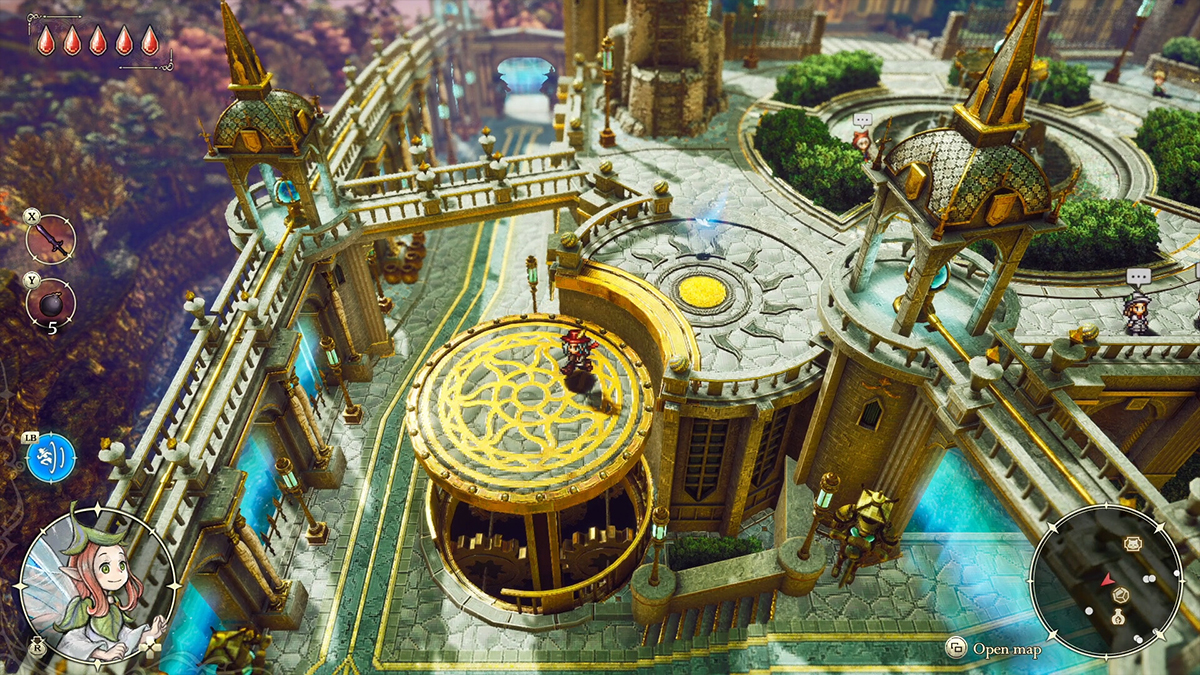
The game looks impressive and can be fun, but sadly it does not make the best impression for action RPGs. While anyone can pick it up and play and learn to become better at action RPGs, there could have been a lot more effort placed into its development. Overall, it’s great for a weekend play. Still, hopefully this can be a learning experience for creating a better time-travel-themed action RPG in the future, one people can truly immerse themselves in while still debating the merits of action versus turn-based RPGs.
Developer(s): Square Enix, Claytechworks
Publisher(s): Square Enix
Platform(s): PC, PlayStation 5, Xbox Series X/S, Nintendo Switch 2
Words by Jose Alvarez
Also published in GADGETS MAGAZINE Volume 27 Issue No. 1