Mobile services provider Smart Communications, Inc. (Smart) is ushering in the Christmas season by giving back to its subscribers through the exciting Smart Holideals raffle promo.
Open to all new and existing Smart Prepaid and Smart Postpaid subscribers from October 17 to December 31, 2025, the Smart Holideals promo gives lucky customers a chance to win up to PHP5-million in the life-changing grand raffle draw.
Join by texting RAFFLE to 5858
To join, subscribers simply need to text RAFFLE to 5858. Once successfully registered, they can start earning and racking up raffle entries based on their Smart transactions.
Smart Prepaid subscribers will earn raffle entries for every data offer they avail.
Meanwhile, Smart Postpaid subscribers will earn raffle entries for every data add-on or booster purchased. New and renewing Smart Postpaid subscribers who opt in to the raffle promo between October 17 and December 31, 2025, will automatically get bonus raffle entries. New and renewing Plan 599 to 799 subscribers will receive 10 raffle entries, while new and renewing subscribers of Plan 999 and higher will get 15 raffle entries.
Be a Smart Holideals millionaire
From October 17, 2025, to January 6, 2026, three winners of PHP30,000 will be drawn each week. All raffle points earned during the raffle promo period will also accumulate for the grand draw on January 6, 2026, where one winner will take home PHP1-million, another will win PHP3-million, and one will become PHP5-million richer.
Subscribers can win in multiple weekly draws and still qualify for the grand draw, but can only win once per draw date.
Winners will be announced on Smart’s official accounts and contacted and validated via call-out by an authorized Smart representative through official Smart numbers: 7777 or *888.
Don’t miss your chance to become one of this season’s Smart Holideals millionaires! Register by texting RAFFLE to 5858 or switch now to Smart and start earning raffle entries for a shot at life-changing prizes.
For updates and announcements, click https://smart.com.ph/Pages/holideals2025 or follow Smart’s official social media accounts on Facebook, Instagram, TikTok, X, and YouTube.
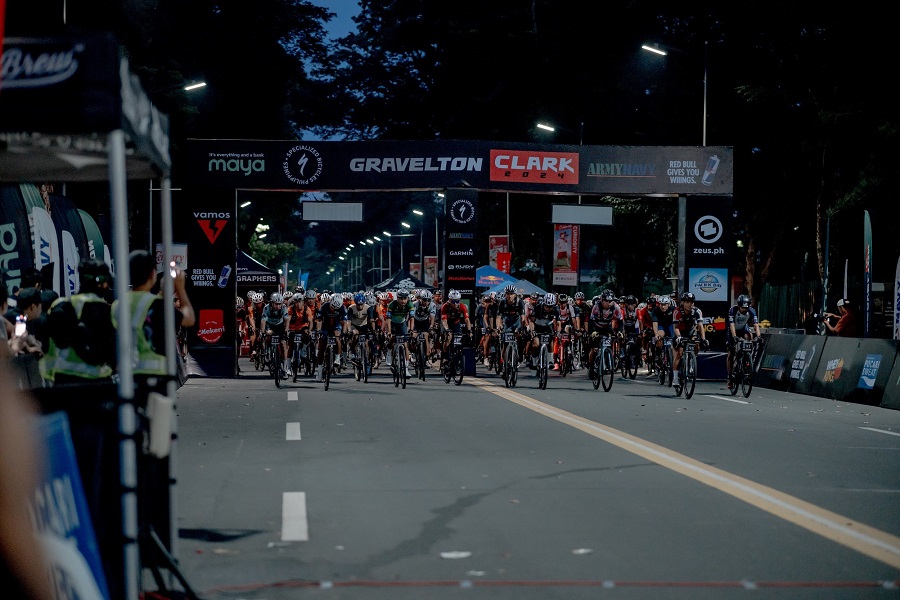
Adventure met adrenaline as Gravelton PH staged its most-awaited Gravelton Clark 2025 last October 18 to 19 at Filinvest Mimosa Plus Leisure City, Clark, Pampanga. Marking its fourth season, the country’s leading gravel race brought together cyclists and outdoor enthusiasts for a thrilling two-day experience across Central Luzon’s rugged terrains.
Building a bold partnership and carving their place in the heart of the gravel community, Ford Philippines backed the event by deploying three Ford Ranger pickup trucks as official track and logistics vehicles. The Ford Ranger trucks roamed the course to assist race marshals, provide support to riders, and ensure seamless coordination and safety across challenging routes.
“This year, Gravelton Clark 2025 is anchored on the theme ‘Forged in Flame, Carved in Ice’ representing the dual forces that shape the gravel community: fierce in competition, yet chill in celebration,” said Ritchie Santayana, group category director of Gruppo Innovare Corp (Specialized Philippines), the Gravelton PH organizer. “We’re pushing the limits on and off the trail to give riders a full-throttle gravel racing experience while bringing the entire community closer together.”
“Ford Group Philippines is thrilled to partner with Gravelton PH as our brand aims to support activities that are geared to promote passion, grit, and excellence,” said Mark Parulan, marketing director, Ford Philippines. “Our Ford Ranger was chosen to be the official support vehicle as its versatility and features are perfectly suited to keep up with the adventurous and challenging pace of the event.”
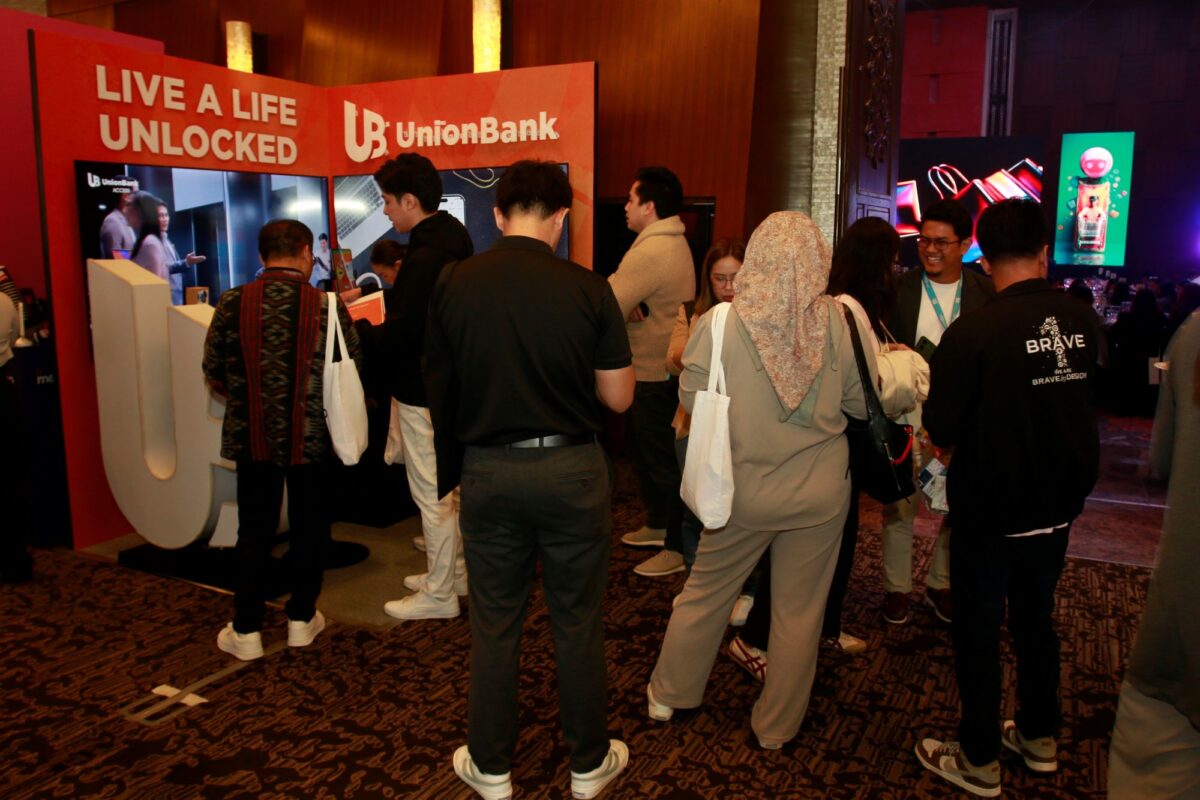
UnionBank of the Philippines once again took center stage at DigiCon 2025, the country’s premier digital and technology conference organized by the Digital Marketing Association of the Philippines (DMAP). The annual event brought together leaders in business, marketing, and innovation to explore how emerging technologies—like artificial intelligence (AI)—are transforming industries and shaping the digital future.
This year, UnionBank showcased a deeper, more human approach to AI—one that brings personalization and empathy to the heart of every digital interaction. Aligning with DigiCon 2025’s theme, “The Age of I: The Power of Personalization,” UnionBank showcased how AI can create meaningful, human-centered experiences for customers and employees—reflecting its brand promise to help Filipinos “Live a Life Unlocked,” where technology empowers individuals to pursue their goals with greater freedom, confidence, and ease.
From Clicks to Connections: How AI Elevates Every Experience
During the conference’s Immersive Track, Rene Aguirre, UnionBank’s Digital Experience and Development head, shared the story of Nina, a digital customer whose banking journey—from opening her account to applying for a credit card and managing everyday financial transactions—is aided by AI.
“Digital transformation isn’t just about technology—it’s about people,” Aguirre said. “Every AI model we design aims to understand individual behavior and deliver experiences that feel intuitive, personal, and genuinely helpful.”
UnionBank’s AI-driven initiatives continue to transform customer journeys and deliver tangible results. These reflect UnionBank’s commitment to uplifting lives through innovation—using technology to simplify, personalize, and enhance how customers engage with their bank.
The New Work Order: Empowering Employees Through AI
Over at the Integrated Track, Michelle Rubio, UnionBank’s chief human resource officer and CSR head, joined the panel “The New Work Order: Of Culture, Tech, and Agile Workplaces,” highlighting the Bank’s human-centered approach to employee transformation.
“At UnionBank, we’re building a team of experts. You may start in one domain — say HR — but because we have democratized learning, UnionBankers can build expertise in other domains like blockchain, AI, data science, or digital innovation. Rubio shared. “That’s how we’re preparing UnionBankers to thrive in a world where being future-ready means being multi-skilled, adaptive, and always learning.”
UnionBank’s people-first philosophy extends to how it integrates AI at work. As Aguirre explained, “Our AI tools—like RIA, our AI-powered customer service assistant, and the Wealth RM Assistant—are designed to support, and not replace, human capability. They empower our teams to serve customers with greater empathy and intelligence.”
This is why, the Bank’s approach to AI is guided by two core principles: Automated Intelligence delivers seamless, digital-first banking experiences for customers, while Assisted Intelligence for employees enhances service quality, productivity, and decision-making.
A Future Built on Personalization and Purpose
With over 80 live AI models driving innovation across its operations, UnionBank continues to set the standard for next-generation, “phygital” banking—seamlessly blending physical and digital experiences to meet customers wherever they are.
“AI’s true value lies in how we use it to make banking more human,” Aguirre concluded. “In the Age of I, it’s not just about innovation—it’s about intention. And at UnionBank, that intention is clear: to use technology that uplifts lives and creates a better, more connected future for all.”
Union Bank of the Philippines is regulated by the Bangko Sentral ng Pilipinas (www.bsp.gov.ph). Deposits are insured by PDIC up to PHP1 Million per depositor. For more info, please visit our website https://www.unionbankph.com/. For any concern, you may contact the UnionBank Online app (Mailbox > Support > Create New Ticket) or the Customer Service Hotline at (+632) 8841-8600.
The James Dyson Award reveals its two 2025 global winners, each receiving PHP2,168,000 for their inventions that advance accurate water quality monitoring and improve life with Parkinson’s.
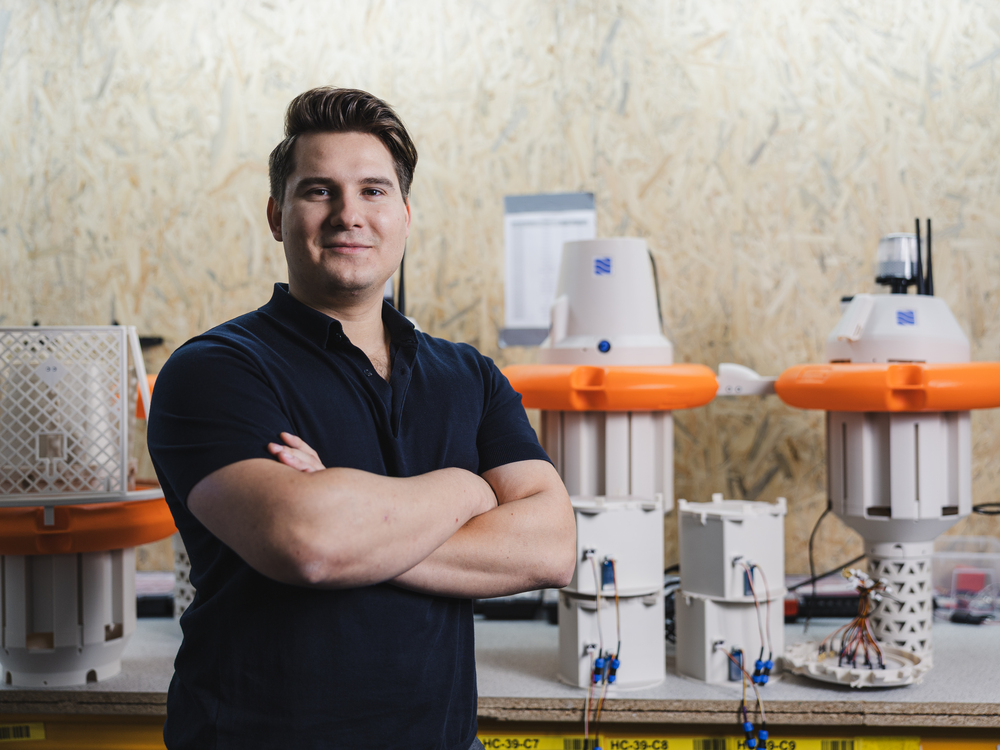
WaterSense is the global Sustainability Winner. Invented by Filip Budny from Poland, a PhD candidate in nanotechnology at Warsaw University of Technology, WaterSense is an autonomous water quality monitoring device. It replaces manual, occasional sampling with real-time, AI-powered monitoring and early pollution alerts.
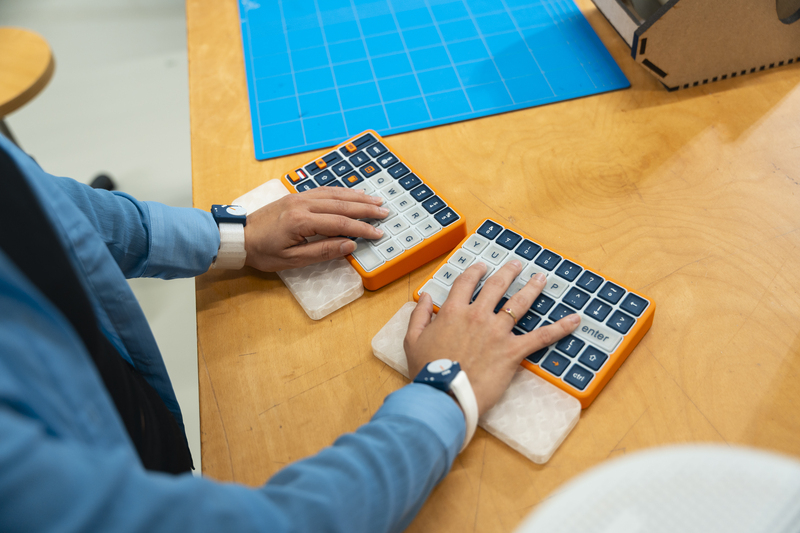
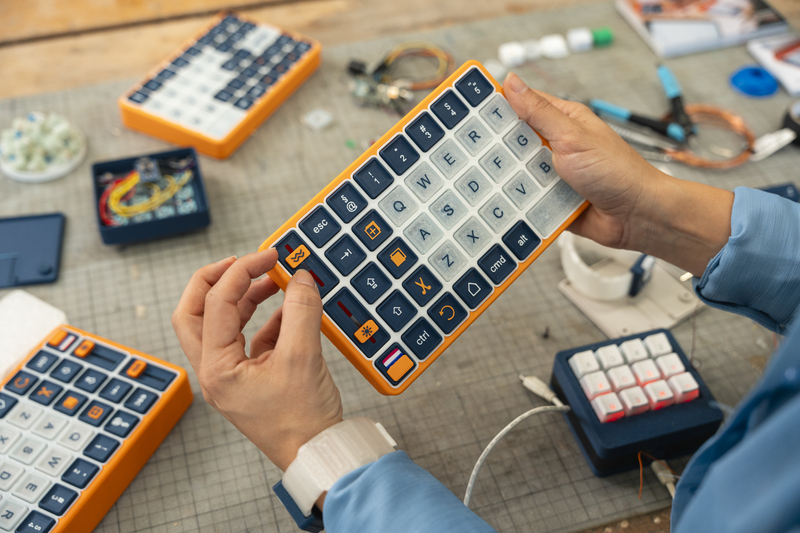
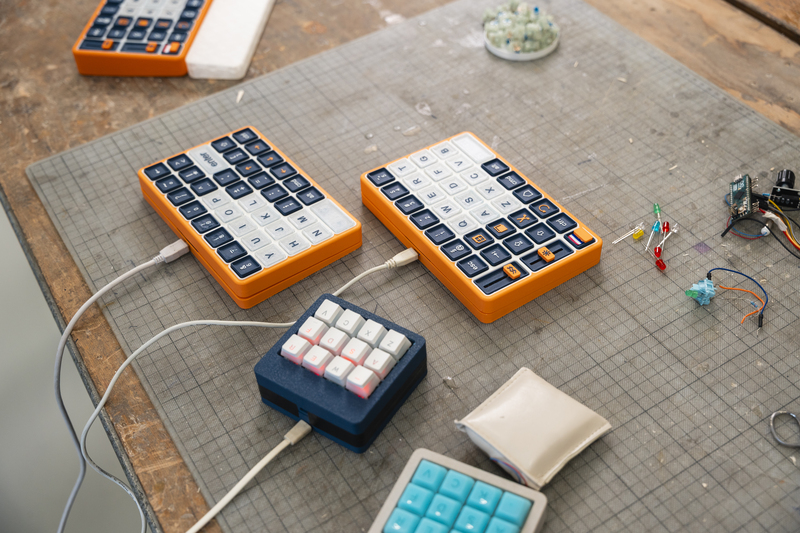
OnCue is the global Medical Winner. Invented by Italian product designer Alessandra Galli, who graduated from Delft University of Technology in the Netherlands, OnCue is a smart keyboard for people with Parkinson’s. Unlike existing assistive keyboards, it uniquely integrates therapeutic cues into the design to reduce typing errors and help manage tremors and freezing – common symptoms of the disease.
Now in its 20th year, the international student design competition has supported more than 400 student inventions worldwide with PHP108,400,000 in prize money. It received more than 2,100 entries this year from budding inventors across 28 countries and regions.
James Dyson, founder of Dyson, said: “The James Dyson Award supports young inventors who think differently and tackle real-world problems head-on. Our 2025 winners, Filip and Alessandra, are a testament to that spirit – they address challenging health and environmental issues with practical, ingenious solutions. I hope that winning the Award will be a springboard for commercialising their world-beating inventions.”
James Dyson surprised Filip and Alessandra with the exciting news during an online video call. Watch how it went down on YouTube.
Sustainability Winner – WaterSense, invented by Filip Budny.
The problem
In the Philippines, 43% or 180 out of 421 of local rivers are considered polluted. Unlike oceans, rivers are smaller, slower-moving, and more exposed to land-based pollution. In fact, water pollution of rivers is attributable to untreated domestic sewage and industrial and agricultural waste. Yet, in 2022, only 50 priority river systems were monitored monthly.
These priority rivers are generally those known to be heavily polluted and are monitored to gauge improvements as cleanup and pollution control measures are implemented. According to a 2022 report from the Department of Environment and Natural Resources (DENR), out of the 50 priority rivers monitored that year, 9 failed to meet both Dissolved Oxygen (DO) and Biochemical Oxygen Demand (BOD) standards, including rivers like Marikina River, Meycauayan River, and Pansipit River.
The winning solution
Filip Budny, a PhD candidate in nanotechnology, is improving how we more accurately monitor water quality with his invention, WaterSense. Filip’s device autonomously measures the water quality of rivers and lakes in real time, to enable early detection of water pollution.
WaterSense is powered by natural water currents through a built-in hydrogenerator. Unlike conventional sensors which are made of plastic and metal components, WaterSense uses low-cost, recyclable paper sensors to measure over 20 key indicators of water quality, including pH, dissolved oxygen, nitrates, chlorides, and conductivity. It draws samples from three customisable depths, allowing for layered analysis that can detect pollutants hidden below.
The sensors are replaced automatically each day, like advancing a roll of film in a camera, ensuring consistent lab-grade accuracy without manual input. The used sensors stay housed within the device until the roll is replaced after 12 months, keeping the system fresh and reliable year-round.
The device transmits data via mobile networks to an AI-powered online platform every minute, 15 minutes, or hour, depending on monitoring needs. The online platform analyses water health and actively learns from past data and patterns to forecast pollution events up to 72 hours in advance. The results are publicly available through a website, giving communities and local authorities the insights they need to take early action and protect water ecosystems.
Currently, WaterSense prototypes are being tested in 20 locations across Poland in partnership with water companies and local governments. After winning the James Dyson Award, Filip plans to continue refining the technology and launch WaterSense in other countries.
James Dyson said: ”Existing water quality monitoring systems are slow, manual, and sporadic. Filip, our Sustainability winner, has invented WaterSense to measure water quality in real time and smartly predict pollution before it happens. It uses paper-based sensors which track multiple indicators of water quality at different depths, delivering more accurate readings. It’s a very worthy winner, and I look forward to seeing WaterSense floating in every river around the world.”
On winning the James Dyson Award, Filip Budny said: “The James Dyson Award confirms that environmental innovation has a global voice. It motivates me to keep pushing – to build, test, and deploy systems that make clean water measurable, predictable, and accessible to everyone. We’re now focused on expanding collaborations with environmental agencies and research partners across Europe, aiming to scale WaterSense into a continent-wide network by 2026. Our long-term vision is to monitor water quality in rivers around the world. To make this plan a reality, we’re now gathering our first investment round, to ramp up production and accelerate deployment.”
Tamara Tokarczyk, associate professor and hydrologist at the Institute of Meteorology and Water Management in Poland, said:“Filip’s WaterSense is the first solution to systematic and real-time qualitative monitoring. It collects high-resolution data which will significantly contribute to the development of reliable forecasting models, and benefit society and ecological systems.”
Medical Winner – OnCue, invented by Alessandra Galli.
The problem
Approximately 120,000 Filipinos are living with Parkinson’s disease. Symptoms commonly include tremors, freezing episodes, and bradykinesia – a condition that slows movement and impairs fine motor control. These challenges make typing on a keyboard difficult and often frustrating.
Currently, assistive keyboards offer features such as larger keys, high-contrast colours, and split layouts. However, they lack therapeutic cues, such as targeted vibration and visual feedback, which are tailored to address the unique motor symptoms of Parkinson’s.
The winning solution
Alessandra Galli, an integrated product design graduate, aims to help people with Parkinson’s take part confidently in today’s digital world. Her invention, OnCue, is an affordable smart keyboard paired with wristbands to make typing easier and more accurate for people with Parkinson’s. It combines haptic and visual cues to ease Parkinson’s symptoms.
OnCue sends gentle vibrations through the keyboard and wristbands each time a key is pressed, helping users keep a steady typing rhythm and feel the keys better. When a key is pressed for too long, the vibration slowly intensifies, prompting the user to release and continue with the next key. With the help of AI, OnCue predicts the next letters and lights them up on the keyboard, providing visual prompts to prevent errors and hesitation.
Inspired by gaming keyboards, OnCue features a compact, split design that reduces strain on the hands and arms, with raised key edges to minimise typing errors. Compatible with most computers and laptops, it connects wirelessly via Bluetooth and runs on a battery that lasts up to a week on a single charge.
Alessandra designed OnCue to be customisable, recognising that symptoms can vary widely for each person, and even fluctuate throughout the day. Users can fine-tune the intensity of vibrations in both the keyboard and wristbands. The keyboard’s lighting system is also adjustable to suit their needs. Alessandra is currently developing a software to personalise vibration patterns further and tailor to the user’s daily routines and symptom intensity.
Having won the James Dyson Award, Alessandra plans to continue working closely with medical professionals and people with Parkinson’s to gather feedback and further refine OnCue. She hopes to bring the device to market and expand its use to support people with other neurological conditions, including Alzheimer’s and dystonia.
James Dyson said: “For those living with Parkinson’s, typing can be a frustrating experience. Alessandra has tackled this challenge by designing OnCue. When typing on the keyboard, gentle vibrations guide your rhythm while the AI predicts and lights up your next letter. The keycaps have raised edges to help your fingers find the right keys and reduce typing errors. It’s a clever and empowering solution, allowing people with Parkinson’s and other motor conditions to stay connected and communicate independently.”
On winning the James Dyson Award, Alessandra said: “Winning the James Dyson Award is both an honour and a confirmation that committing to this project after graduation was the right decision. The James Dyson Award offers not only recognition, but also a practical opportunity to move OnCue forward. The prize provides significant support for completing the operational prototype, bringing the project one step closer to reaching people with Parkinson’s. I am confident that this achievement will also help me expand my network and open new opportunities for OnCue.”
Gert Pasman, senior lecturer, Faculty of Industrial Design Engineering at Delft University of Technology, said: “Having Parkinson’s Disease for more than a decade, I have experienced myself the frustration and isolation that comes from slowly losing the ability to type with fluency and ease. OnCue offers real hope for changing that – thanks to Alessandra’s outstanding design and research skills, her empathy with the target group, and her strong internal motivation to ‘do good’. Winning this award will enable her to take the project further, which is very good news for the entire Parkinson’s community.”
The Ford Territory has been one of the most impressive vehicles I’ve encountered in recent years. It’s one of those rare cars that has seamlessly become part of everyday Filipino life, a familiar sight on our roads since its first-generation debut in 2020.
Last August, Ford Philippines surprised everyone by launching the all-new Ford Territory, now powered by a hybrid engine. To see what this new model could really do, we joined the media drive from Manila to Baguio and put the new hybrid through its paces.
Design: 4.5/5
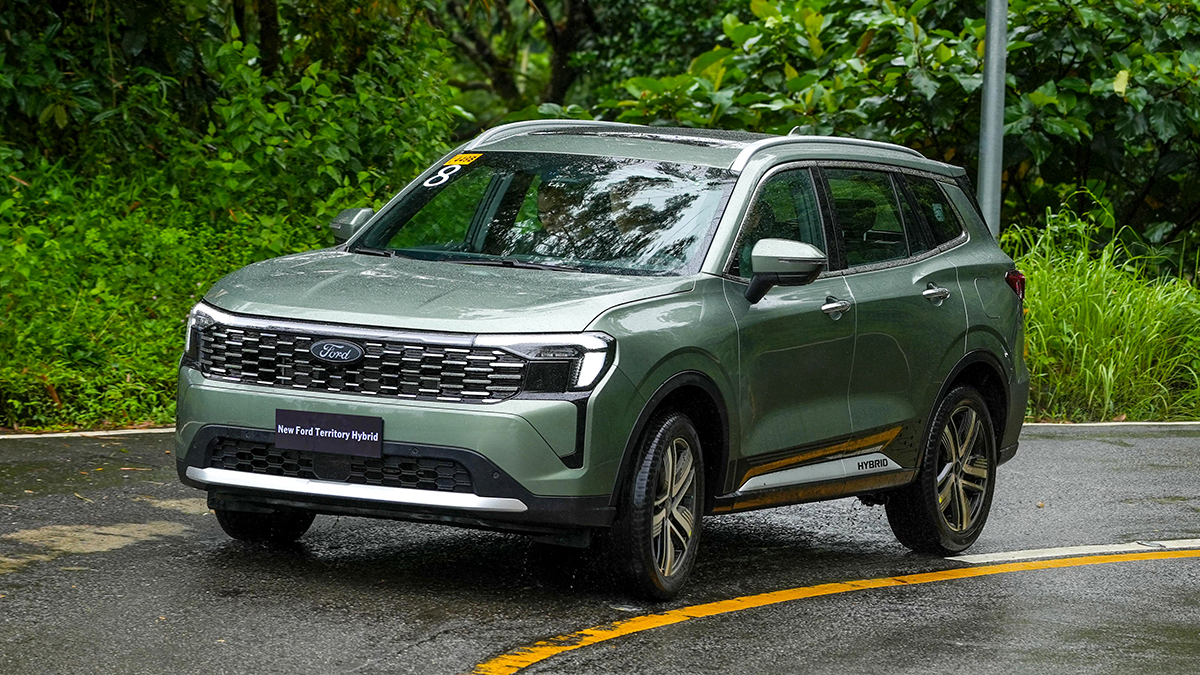
The new Ford Territory Hybrid brings a sportier and more refined look compared to its predecessor, thanks to its redesigned front grille and more sculpted body lines. At first glance, it looks more like a compact SUV than a traditional crossover, confident, sharp, and well-proportioned.
From the rear, it retains the clean layout that made the original Territory popular, with subtle tweaks to the taillights and bumper for a more modern finish. The side profile remains familiar but gets a distinctive “Hybrid” decal along the lower door panels, proudly declaring its new identity.
We drove the top-of-the-line Titanium X variant on our trip up north. The main differences from the Titanium Trend variant include a panoramic sunroof, a full suite of Advanced Driver Assistance Systems (ADAS), and a light-up Ford badge on the grille. It is a small touch, but one that adds flair and fun, especially at night.
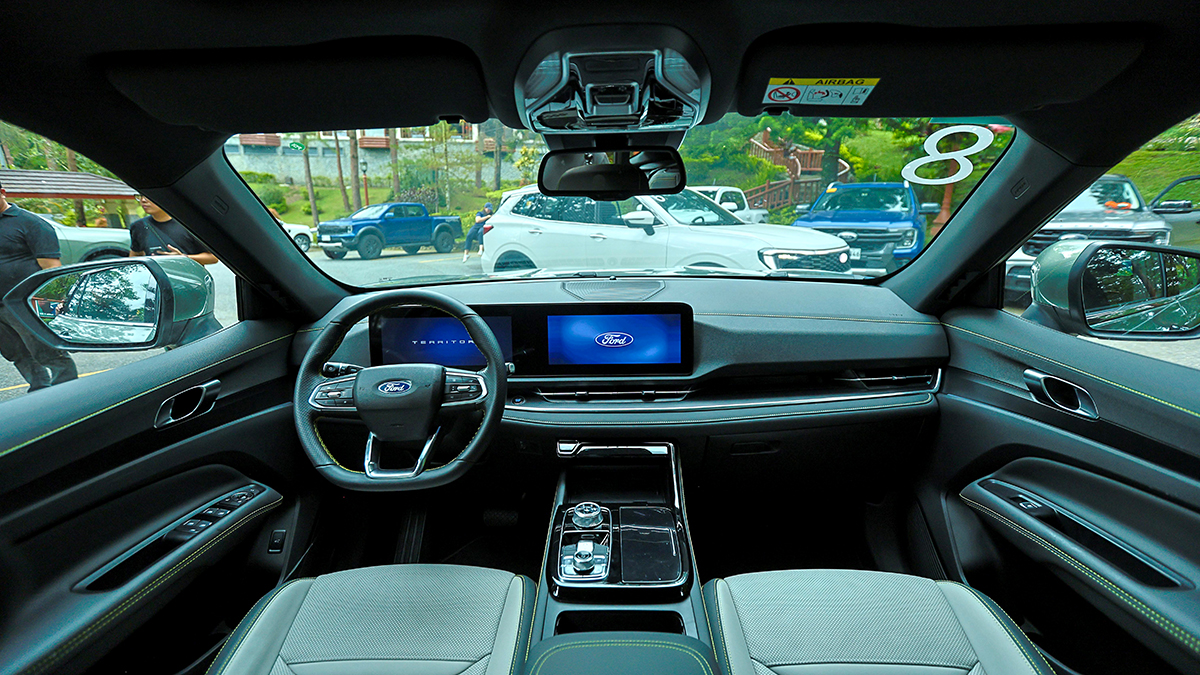
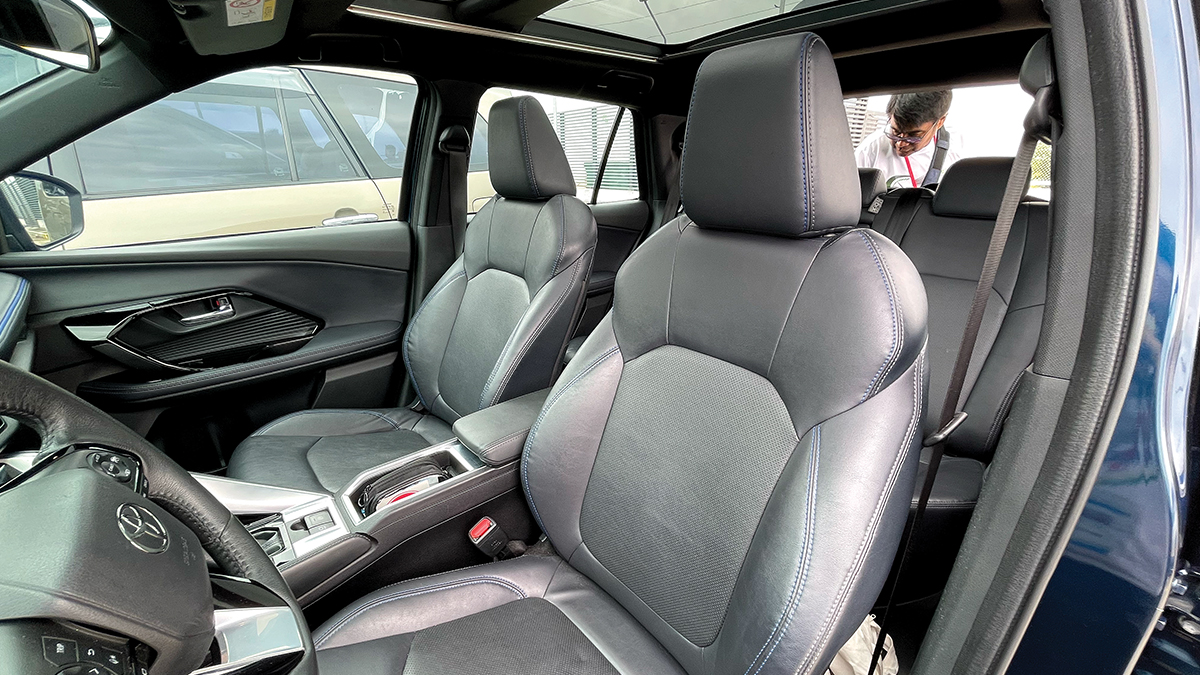
Inside, the Territory Hybrid looks and feels premium. It comes with two-tone leather upholstery in white and black with yellow stitching that gives the cabin a sporty yet elegant vibe. The front seats are plush and supportive, while the panoramic sunroof in the Titanium X makes the interior feel bright and open.
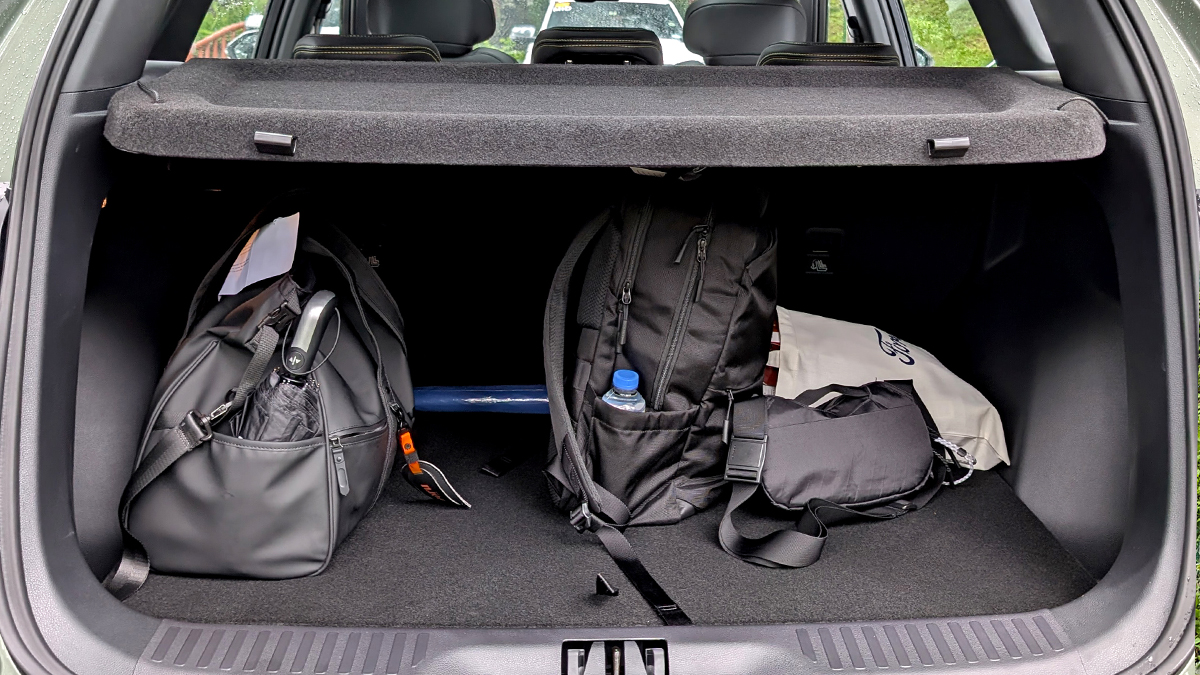
Cargo space is generous at 448 liters, expandable to 1,422 liters with the rear seats folded, making it versatile for road trips or everyday errands.
Equipment: 4/5
This is the first Ford hybrid sold in the Philippines, and it is immediately clear how much that electric assist improves the drive. The electric motor delivers instant torque, giving the car a lively and responsive feel. It is a big improvement over the old gasoline-only model, especially when overtaking or climbing steep roads like Kennon.
Under the hood, the internal combustion engine produces 150PS and 230Nm of torque, while the electric motor contributes 218PS and 315Nm. Ford uses a dual hybrid system that switches between the two modes depending on driving conditions. In parallel hybrid mode, both the engine and the motor power the car. In series hybrid mode, the engine primarily functions as a generator that charges the 1.83kWh lithium-ion nickel cobalt manganese (NCM) battery.
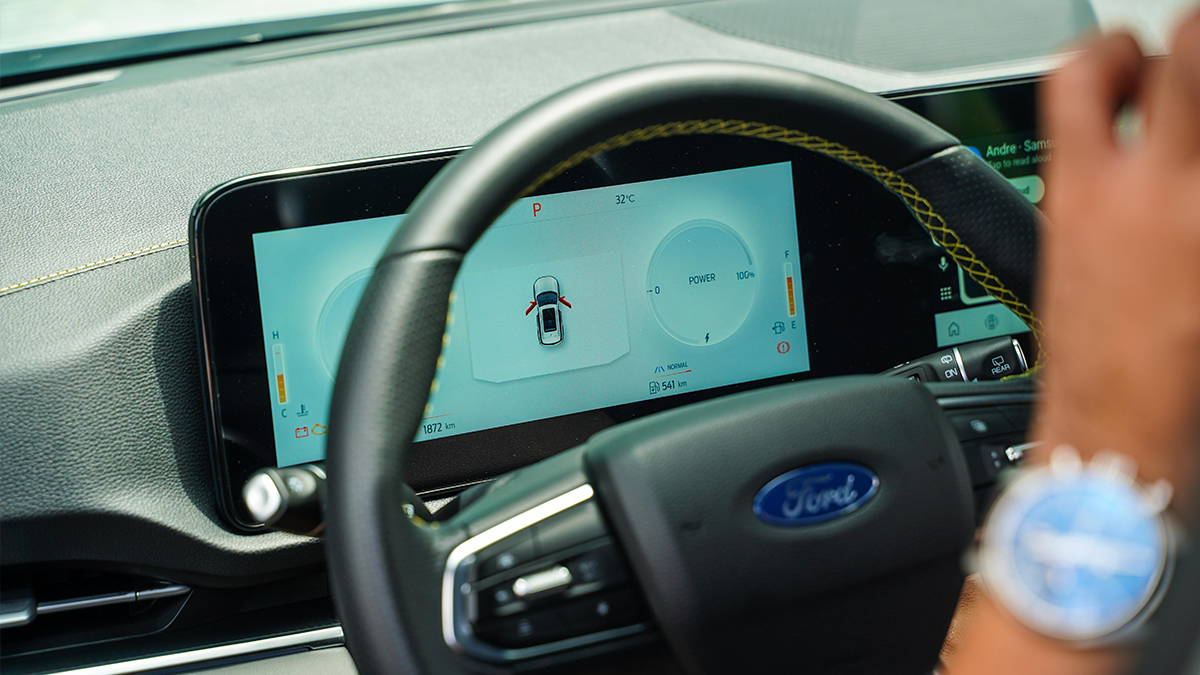
This system makes the Territory Hybrid impressively efficient. On our drive from Seda Manila Bay to Rosario, La Union, we averaged 17.5km/L in mixed driving that included rush-hour traffic on the Skyway and high-speed cruising on the expressway. And we achieved that in Normal mode, not Eco mode.
During an efficiency challenge among participants, the winning team achieved a remarkable 21km/L, which is exceptional for a crossover of this size.
The transitions between EV mode and hybrid mode are smooth and refined. There is no jolt or delay when the gasoline engine kicks in. Apart from a faint engine note when accelerating, the switch between modes is barely noticeable.
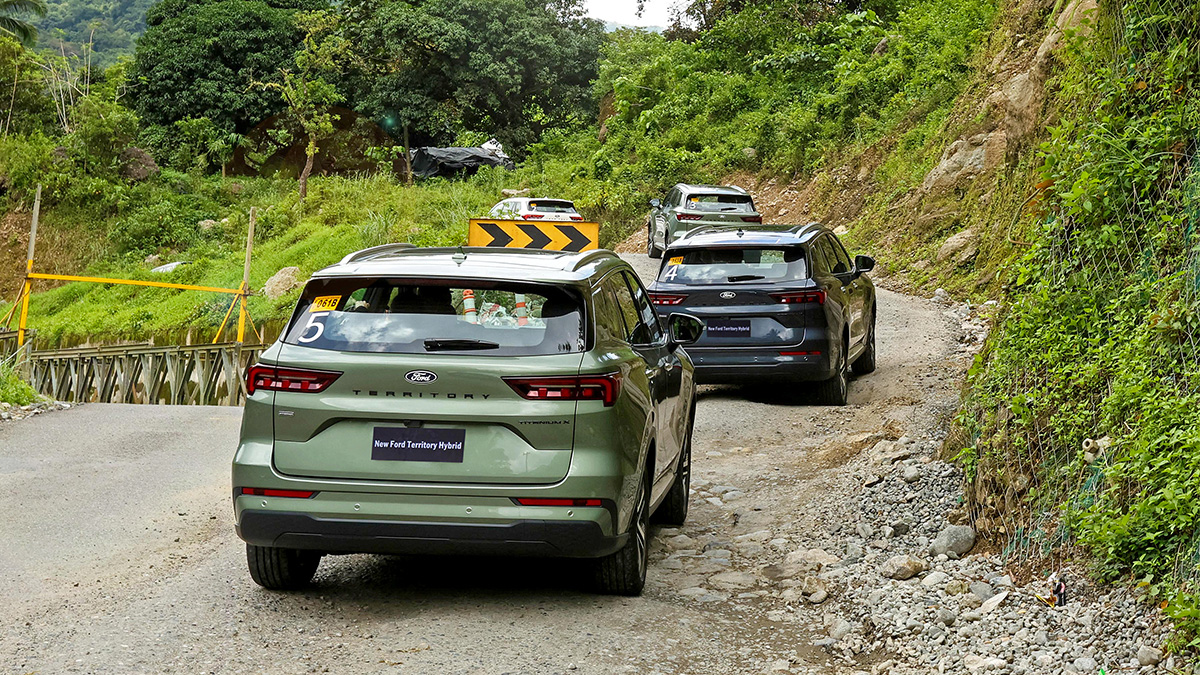
Ride comfort is another strong point. The suspension feels soft and well-damped on highways, soaking up bumps and uneven roads easily. We even tackled rough, rocky stretches and roadwork zones along Kennon Road, and the car handled them without complaint.
On the winding Asin Road, the Territory Hybrid felt confident and composed. It is not a performance car, but body roll is kept in check. The front seats offer good side bolstering, keeping the driver stable during tight turns, though rear passengers might slide a bit during more spirited driving.
The Titanium X also comes loaded with Ford’s Advanced Driver Assistance System (ADAS), which includes adaptive cruise control with stop-and-go, lane keeping, forward collision warning, autonomous emergency braking, and more. The 360-degree HD camera is standard across both variants, providing excellent visibility for parking and tight spaces. One note: the forward collision warning tends to be a bit sensitive, sometimes triggering alerts even when there is still ample distance to the car ahead.
User Experience: 4.5/5
The Territory Hybrid is one of the most comfortable rides in its class. As a passenger, I almost dozed off thanks to the quiet cabin and smooth ride. As a driver, I appreciated how easy it was to handle. Steering is light and predictable, although the turning radius feels slightly wide for tight U-turns.
Ford clearly paid attention to NVH (noise, vibration, harshness) levels. The addition of an acoustic film on the windows helps keep road and wind noise to a minimum, even at highway speeds. Any remaining noise is easily drowned out by the excellent eight-speaker sound system, which delivers clear and rich audio.
The Territory Hybrid is also packed with thoughtful tech. The 12-inch infotainment display supports wireless Apple CarPlay and Android Auto, and the interface is intuitive and responsive. The dual-zone climate control cools the cabin quickly, and the rear air vents ensure passengers stay comfortable even on long drives.
The Titanium X variant also offers ventilated front seats, which are a blessing during hot summer days. The subtle ambient lighting inside the cabin can be customized through the infotainment screen, adding a touch of sophistication during night drives.
If there is one area for improvement, it is the lack of manual control for regenerative braking. Other hybrids allow you to adjust the regen level to maximize efficiency during stop-and-go traffic. Also, there is no dedicated EV-only mode. The system decides automatically when to use the engine or motor, which means you will still consume some fuel even on short commutes.
Value: 4.5/5
The Ford Territory Hybrid starts at PHP1,399,000 for the Titanium Trend, while the Titanium X we drove is priced at PHP1,599,000. Considering the level of technology, comfort, and efficiency it offers, this is strong value for money.
Through rain, wind, and the occasional rough patch, the Ford Territory Hybrid proved its worth. From its quick, peppy acceleration to its spacious interior and impressive efficiency, this new hybrid feels tailor-made for the modern Filipino household. It is dependable for city driving, capable for long trips, and refined enough for anyone who values comfort and practicality.
Bottomline
The new Ford Territory Hybrid successfully builds on what made its predecessor a hit among Filipino families while adding modern efficiency and power. It looks better, drives better, and saves more fuel without sacrificing comfort or practicality.
For buyers looking to transition into electrified driving without the hassle of charging, the Ford Territory Hybrid is one of the most compelling options in its segment. It brings together versatility, style, and value in a way that feels perfectly suited for today’s Filipino driver.
Reviewed by Gabriel Pe Also published in GADGETS MAGAZINE Volume 26 Issue No. 4
Globe Roaming is redefining the experience for Filipino travelers with an exclusive offer that combines two essentials: affordable connectivity and reliable protection in one unbeatable package. Through its partnership with Oona Insurance, Globe introduces a travel protection bundle that gives customers seamless data roaming and insurance coverage for as low as PHP49 (with PHP1M coverage) and PHP109 (with PHP2.5M coverage), making it one of the most accessible and affordable bundles in the market today.
“With Globe Roaming, you’re not just connected but also protected,” said Paula Rivera-Castillo, head of Globe International Business. “This bundle sets a new standard in travel convenience, affordability, and peace of mind. Whether you’re a Prepaid or Postpaid customer, you can now travel confidently with reliable data roaming and comprehensive insurance coverage, all in one seamless tap.”
The Best Way to Travel
Unlike standalone eSIMs, local SIMs, or separate insurance plans that leave travelers managing multiple providers and higher costs, Globe’s 2-in-1 bundle offers unmatched value. With Globe Roaming, customers enjoy the ease of staying connected and protected wherever they go, without the hassle of buying services separately.
Coverage is thoughtfully designed to fit every journey, with flexible options that match the validity of roaming packs, whether for a quick getaway, a week-long trip, or an extended stay abroad. Beyond data, Globe delivers peace of mind through reliable protection and dedicated customer support.
“Travel insurance shouldn’t feel like an afterthought, it should move with you. Our collaboration with Globe is another step in making protection more intuitive and built around real journeys, not paperwork. That’s the future we’re building at Oona,” Ashish Arora, chief marketing and partnership officer, Oona Philippines.
Tap to Book
Booking the bundle is simple and seamless. Customers can open the GlobeOne app, tap Shop, and select their destination country. From there, they can choose a roaming pack that matches the length of their trip. Once confirmed, the insurance benefit is automatically included, removing the need for additional steps. A confirmation is instantly received, and after entering their travel details, the policy is sent directly to their email, ensuring travelers are connected and protected before their flight.
By booking in advance through GlobeOne, customers can travel worry-free, knowing they’re covered from the moment they depart. The Globe Roaming Travel Insurance bundle reaffirms Globe’s role as more than a telco, it is a holistic travel partner for Filipinos around the world.
“Globe is proud to offer the ultimate travel essential that makes global journeys simpler and safer,” added Rivera-Castillo. “This is our way of showing how we care for our customers, by freeing them in choosing between affordability and security because they get both.”
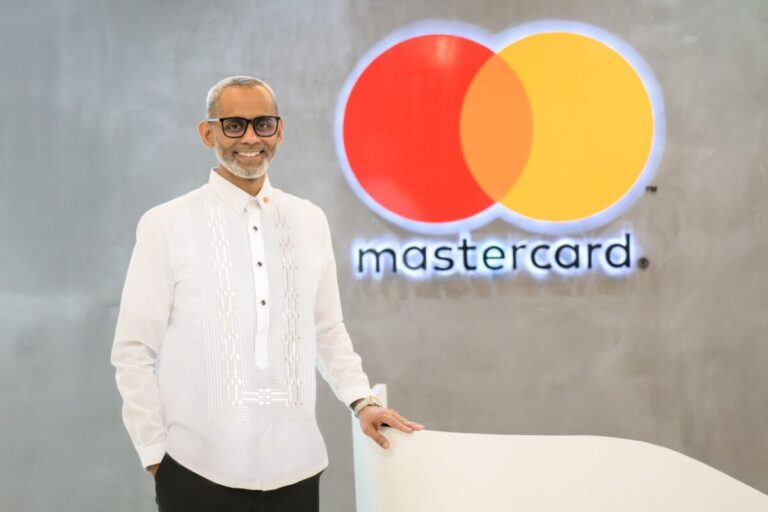
Mastercard has announced the appointment of Jason Crasto as country manager for the Philippines. In this role, he will oversee the organization’s strategic direction and business operations in the market.
As country manager, Jason will spearhead Mastercard’s efforts to support the Philippines’ national digital payments growth and transformation roadmap, working closely with public and private sector partners to advance smart, secure, and inclusive payments solutions for consumers and businesses.
Jason brings over two decades of experience in the payments industry, having led impactful initiatives across consumer, commercial, and digital payments. Since joining Mastercard in 2020, he has managed key client relationships and product portfolios, driving innovation in card payments, commercial solutions, and digital ecosystems.
“Jason’s leadership and industry expertise will be pivotal as Mastercard deepens its role as a trusted partner in the Philippines’ digital transformation journey,” said Safdar Khan, division president, Southeast Asia, Mastercard. “With his extensive payments experience and passion for driving inclusive, innovation-led growth, we are confident that Jason will build on our strong foundations and drive the next chapter of growth for Mastercard in the Philippines.”
Jason Crasto, country manager, Philippines, Mastercard, said, “I am honored to oversee Mastercard’s business in the Philippines and contribute to the country’s digital growth. I look forward to working with our talented and dedicated Mastercard team, as well as our customers and partners to deliver innovative payments solutions that empower Filipinos, and help build a more connected, secure, and inclusive digital future for the Philippines. I’m also excited to immerse myself in the local community and experience the country’s vibrant culture.”
Jason’s appointment comes as the Philippines continues to make significant strides in digital payments adoption, with over 57% of retail transactions in 2024 now digital, according to the Bangko Sentral ng Pilipinas. His strong experience in scaling digital ecosystems across South Asia will be key to sustaining this positive momentum, and unlocking new opportunities for innovation and inclusion through Mastercard’s solutions and collaborations in the market.
Before joining Mastercard, Jason held positions across global payment networks, banks, and loyalty platforms, bringing strong expertise in product management, business development, and portfolio strategy. He holds a Master’s degree in Finance from Jamnalal Bajaj Institute of Management Studies and a Bachelor of Commerce from Narsee Monjee College of Commerce and Economics.
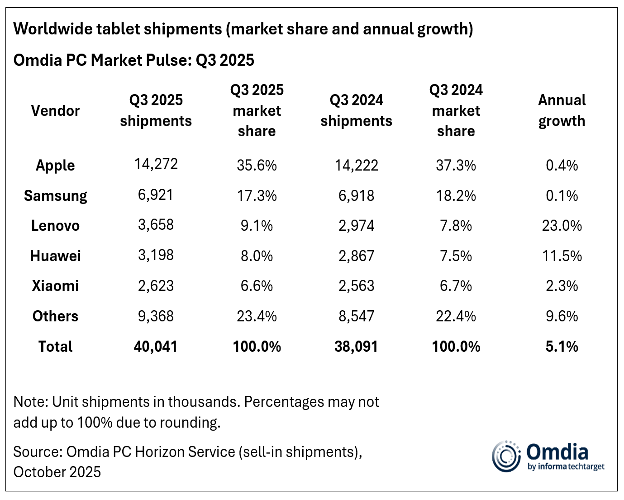
New research from Omdia has revealed that the worldwide tablet market maintained its upward momentum in Q3 2025 with shipments reaching 40 million units, up 5% year-on-year and marking the seventh consecutive quarter of growth.
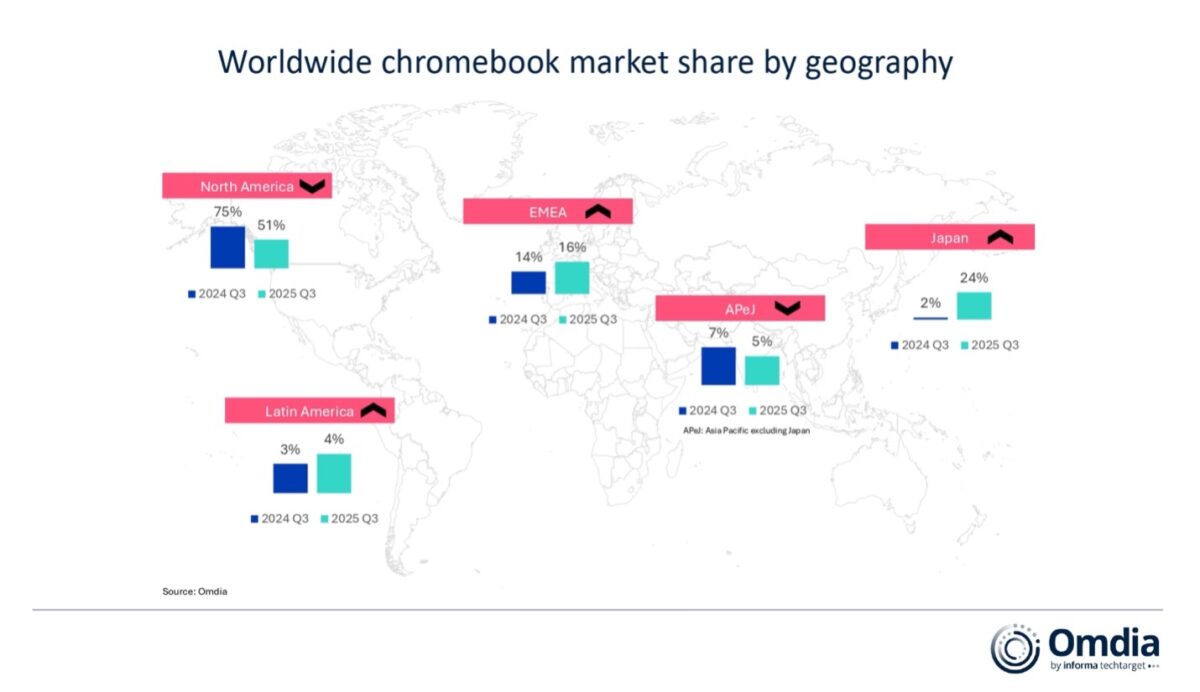
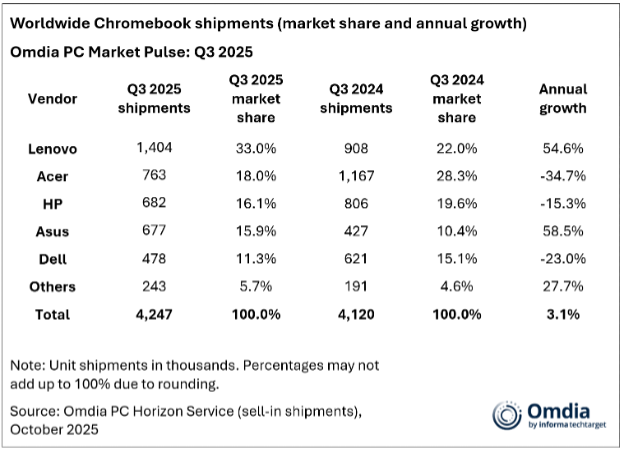
This sustained growth was fueled by strong demand across the Middle East and Central Europe, along with continued strong consumer purchasing in China. The market also benefitted from a surge in Chrome tablet shipments to Japan, driven by the government’s GIGA 2.0 education initiative. Meanwhile, Chromebook shipments reached 4.2 million units, up 3% year on year, as renewed activity in education deployments gained momentum worldwide, with notable volumes supporting Japan’s education goals.
Omdia Research Manager Himani Mukka commented, “The tablet market, which remains largely consumer-driven, has shown resilience in 2025 despite ongoing macroeconomic headwinds. Shipment performance has consistently outperformed expectations, recording uninterrupted growth for the past two years. Consumer demand has been driven by factors such as frequent new product launches, government subsidies, increased appetite for kids’ and gaming tablets, competitive pricing, promotional campaigns, and seasonal back-to-school buying, which varies across regions depending on academic calendars.”
She added, “In Q3 2025, the market saw seasonal sell-in ahead of the holiday period in the West and both holiday and 11.11 sales in Asia-Pacific and China. However, sell-in is expected to remain muted and largely flat in Q4, with a similar outlook extending into 2026 as tablet replacement demand is projected to soften.”
The global tablet market grew 5.1% year on year in Q3 2025, largely fueled by strong demand in China and the expansion of Chinese tablet vendors into the Middle East and Asia Pacific regions. Apple recorded flat growth, building on its strong Q3 2024 performance with 14.3 million units shipped. Samsung also posted flat growth, shipping 6.9 million units. Lenovo led the growth among major vendors with 3.7 million units shipped, marking a robust 23% year-on-year increase, driven by the expansion of its commercial tablet business in EMEA. Huawei followed in fourth place with 3.2 million units and 11.5% growth, while Xiaomi completed the top five, shipping 2.6 million units with a modest 2.3% annual increase.
“In addition to Japan’s GIGA 2.0 project, Chromebook education deployments are expanding across other markets, particularly in Central and Eastern Europe and North America,” said Kieren Jessop, Research Manager at Omdia. “In North America, the K–12 device landscape is split, with a significant share using Chromebooks while others continue to rely on iPads. Looking ahead, we expect education funding in the US to increasingly come from state or local rather than federal sources, which could provide a steady boost to Chromebook shipments in the region. A notable example of this is New York City’s partnership with Dell and T-Mobile to provide around 350,000 LTE/5G-connected Chromebooks to public school students during the current school year.”
In Q3 2025, the Chromebook book market grew by 3.1%. Lenovo led the segment, shipping 1.4 million units — a strong 54.6% year-on-year growth. Acer followed with an 18% market share and global shipments of 0.8 million units. HP ranked third, shipping 0.7 million units and posting a 15.3% annual decline. Asus, which also benefited from Japan’s GIGA 2.0 project like Lenovo, secured fourth position with an impressive 59% year-on-year growth, while Dell rounded out the top five.
The Philippines’ leading finance super app, GCash, has introduced two new game-changing products — GCash PocketPay, which allows merchants to accept card payments seamlessly, and the GCash Virtual US Account, which enables freelancers to receive salaries straight to their e-wallet accounts without additional charges.
Helping MSMEs grow their businesses through card payments
MSMEs are limited to cash only and miss out on additional purchases from credit cards. With the launch of PocketPay, micro, small, and medium enterprises (MSMEs) can now grow their businesses by accepting card payments directly through an Android smartphone.
The tap-to-pay functionality is especially built for mobile sellers, delivery-based vendors, and pop-up merchants operating outside traditional retail channels. It allows businesses to meet customer demand for card payments without investing in costly hardware. The feature is available with zero transaction fees until December 3, 2025, and can be activated via the GCash for Business portal.
“GCash PocketPay makes accepting card payments available for all MSMEs. It’s an easy-to-use and reliable business solution that meets their needs wherever they are,” GCash for Business Head Jong Layug said.
Apart from initiatives for MSMEs, GCash has also launched an offering targeting Filipino freelancers servicing clients from the United States.
Better take-home pay for Filipino remote workers earning in USD
GCash is also addressing a persistent pain point for Filipino freelancers who often lose a portion of their income to costly fees, reducing their take-home pay and delaying access to funds they rely on for daily expenses.
The GCash Virtual US Account, powered by global payments network Meridian1, promises reduced platform fees and forex costs, allowing gig workers to have bigger take-home pay. In addition, the GCash Virtual US Account eliminates high withdrawal fees and hidden charges.
Fully verified GCash users are eligible for account opening. They can transfer funds from different payment platforms, payroll platforms, and marketplaces such as PayPal, Payoneer, Gusto, Deel, Upwork, Freelancer.com, Fiverr, and Onlinejobs.ph.
This feature is seen to boost inflows of dollars into the country from the US, which is a top remittance source for the Philippines. According to the Bangko Sentral ng Pilipinas, about 40% of cash remittances from January to August this year came from the US.
“With the GCash Virtual US Account, we’re enabling Filipino freelancers to take full control of their hard-earned income, allowing them to maximize every peso they earn,” GCash general manager for International Paul Albano said.
Through GCash PocketPay and GCash Virtual US Account, GCash strengthens its goal of enabling both MSMEs and freelancers by breaking barriers to financial access—whether through effortless card acceptance for small businesses or faster, more affordable cross-border payments for gig workers.
GCash Virtual US Accounts are issued and maintained by Meridian Payments US under a “for benefit of” arrangement. These are not bank accounts and do not qualify as deposits; hence, they are not covered by any deposit insurance schemes.
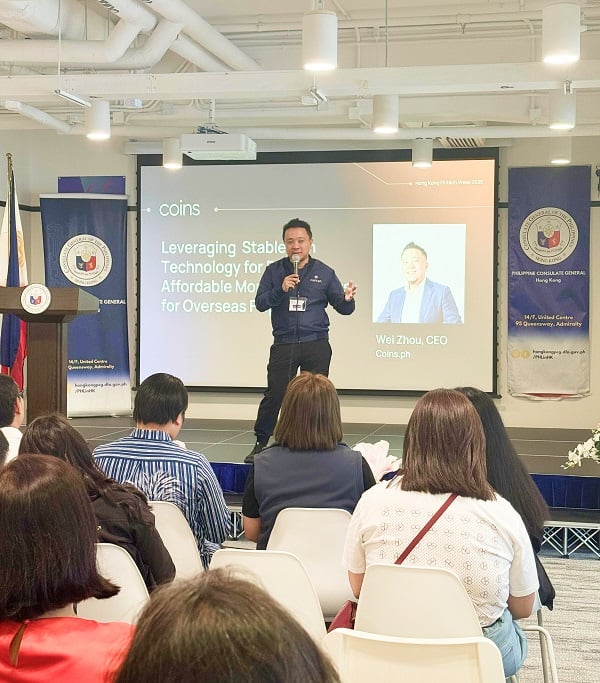
Coins.ph, the Philippines’ leading licensed crypto and digital wallet, participated in a recent business mission to the city, spearheading a campaign to educate Overseas Filipino Workers (OFWs) on the power of stablecoin-powered remittances.
Coins.ph chief executive officer Wei Zhou delivered a presentation to the Filipino community at the “Financial Literacy & Digital Adoption Program for the OFW Community” event organized by the Fintech Alliance Philippines, in collaboration with the Overseas Workers Welfare Administration.
At present, there are an estimated 200,000 OFWs in Hong Kong, and remittances from Hong Kong account for roughly 3% of total remittances sent to the Philippines. Hong Kong is also part of the Top 10 Countries in terms of remittance volume.
Zhou’s address focused on “Leveraging Stablecoin Technology for Fast, Affordable Money Transfers,” and highlighted the emergence and global acceptance of stablecoins, a type of digital money with a fixed value. He emphasized that more users around the world are starting to use stablecoins for sending remittances due to their speed and efficiency, which directly addresses the problems of multi-day delays and high fees historically faced by OFWs.
“The future of cross-border payments is digital, and stablecoins are at the forefront of this shift,” said Wei Zhou. “This opportunity allowed us to engage directly with the OFW community, reinforcing our commitment to financial inclusion and educating them on how digital adoption can lead to greater financial empowerment and security for their families back home.”
The mission concluded with the Coins.ph team participating in a courtesy call with Consul General of the Philippines in Hong Kong Romulo Victor M. Israel, Jr., reaffirming the company’s dedication to secure and efficient financial solutions for Filipinos worldwide.
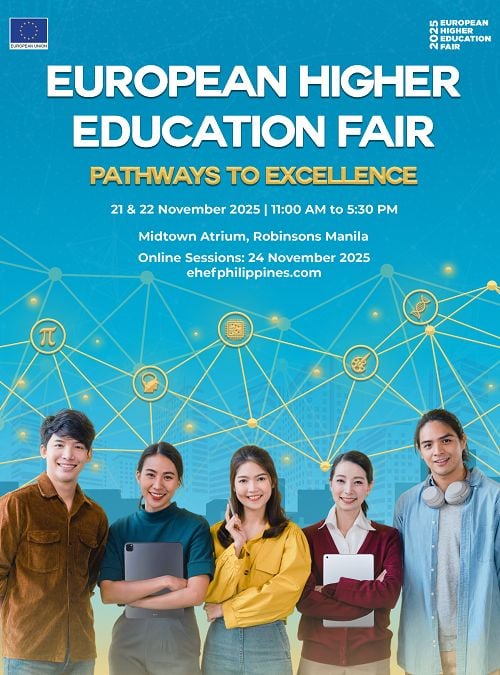
The European Higher Education Fair (EHEF), one of the biggest fairs in the country, returns this November to inspire Filipinos to aim higher, dream bigger, and make their mark on the global arena.
The EHEF 2025 will offer a hybrid experience, with onsite activities on 21 and 22 November at the Midtown Atrium in Robinsons Manila, and online thematic webinars on 24 November. The Fair serves as a gateway to world-class education in the EU, offering students, academicians, and researchers the opportunity to explore pathways that can shape their future.
“To study and pursue higher education in the European Union is a one-of-a-lifetime experience as the EU offers world-class education, new cultures, friendships, and boundless opportunities,” said H.E. Massimo Santoro, European Union Ambassador. “The annual European Higher Education Fair is the best avenue for Filipino students to explore programmes that fit their interests, skills, and talents. It is also a reflection of our commitment to empower the next generation of Filipino global leaders and changemakers.”
Organised by the Delegation of the European Union to the Philippines and the Embassies and Cultural Institutes the following European Union Member States: Czech Republic, Germany, Ireland, Spain, France, Italy, Latvia, Hungary, The Netherlands, Austria, Romania, Slovakia, Finland, and Sweden, this year’s EHEF will bring together 95 higher education institutions both on-site and online.
EHEF 2025: Pathways to Excellence
The Fair has long served as a platform to connect Filipino students, professionals, academe, researchers, and university officials to engage with higher education institutions from the EU. This year’s theme, “Pathways to Excellence” reflects the EU’s commitment to empowering Filipino students with the knowledge, skills, and global competencies they need to thrive in the ever-evolving world.
Participants can also look forward to thematic sessions and seminars, country presentations highlighting the strengths of different education systems, and networking opportunities where guests can exchange ideas and build partnerships. The Fair also aims to showcase the diversity and world-class programmes available in the EU, while guiding aspiring students on scholarships, mobility schemes, and application processes.
EHEF 2025 is supported by the Commission on Higher Education (CHED), together with the regional hubs University of Santo Tomas (Metro Manila), University of the Cordilleras (Luzon), Eastern Visayas State University (Visayas), and Xavier University – Ateneo de Cagayan (Mindanao). University partners include Ateneo de Davao University, Caraga State University, De La Salle University, Far Eastern University, Holy Cross of Davao College, Lyceum of the Philippines-Manila Campus, Mindanao State University – Iligan Institute of Technology, Pampanga State Agricultural University, Polytechnic University of the Philippines, University of San Agustin, University of the Philippines Manila, and Visayas State University.
Professional organisation partners include: the National Academy of Science and Technology–Philippines, Philippine Architecture School Association, Philippine Computer Society, Philippine Economic Society, and the United Architects of the Philippines. Media partners such as Backend News, Baguio Herald Express, Daily Guardian, Daily Tribune, Gadgets Magazine, Manila Bulletin, Mindanao Gold Star Daily, SEA Wave Pop Culture Magazine, SEA Wave Pilipinas, Tempo, and WhenInManila.com help bring the event closer to students nationwide. COMCO Southeast Asia-Pilipinas is the PR and communications partner.
For more information, visit ehefphilippines.com and check our social media accounts: Facebook, Instagram, and X (@EHEFPhilippines).
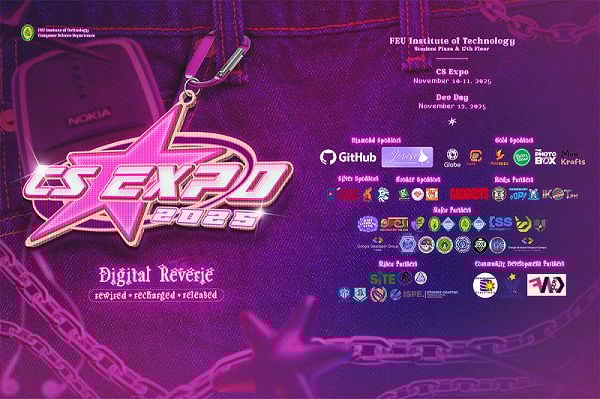
The arrival of CS Expo 2025 is soon to come, as the FEU Institute of Technology is once again hosting the annual capstone event. This rendition takes a journey back to the past as we embark into the next era of technology, with the theme “Digital Reverie: Rewired • Recharged • Released.“
Over the course of three days, graduating Computer Science students specializing in Software Engineering and Data Science will present their culminating projects to a panel of FEU Tech faculty and esteemed industry experts. These thesis presentations embody years of research, innovation, and problem-solving, offering creative solutions to real-world challenges.
CS Expo 2025 Highlights
Day 1 (November 10):
The event will open with the keynote address “Navigating the Opportunities and Challenges of Digital Transformation in the Philippines” by Mr. Paul Sears, Founder and CEO of CloudSensei.
This will be followed by project presentations focused on Natural Language Processing (NLP) and Medicine & Health.
Day 2 (November 11):
The keynote “Ethics in Emerging Technologies: Where Should We Draw the Line?” will be delivered by Mr. Benito Teehankee, Chair of AAP’s Responsible Analytics and AI Council, Analytics & Artificial Intelligence Association of the Philippines.
Student thesis showcases on Computer Vision, Environment, Agriculture, and Education will follow.
Day 3 (November 12):
DevDay sessions will feature the keynote “Shaping Yourself for Today’s Industry and Tomorrow’s Innovation” by Ms. Deirdre Conde, Chief Operating Officer of Eskwelabs.
The day will also include a Panel Discussion on “Driving Technology Forward Through Cross-Sector Collaboration in Academia, Industry, and Government,” with panelists Mr. Justine Jude C. Pura (Assistant Professor, FEU Tech – Computer Science Department), Mr. Edwin Concepcion (Country Manager, Straits Interactive Pte. Ltd.), and Ms. Jennifer Queddeng (Senior Science Research Specialist and Planning Officer, DOST-NCR).
Lightning Talks will also be featured, including:
From Code to Cloud with Containers and CI/CD Workflows by Mr. Sermil Matoto, Chief Engineer of Kollab
Data and AI for Social Impact and Sustainability by Mr. Mark Jeremy Narag, Senior Data Science Consultant at Z-Lift Solutions Inc.
According to Mr. Jansen Moral, CS Expo 2025 Overall Head: “In this year’s CS Expo, I hope participants and attendees can look back and appreciate how innovation has shaped our world through the years, while also gaining inspiration for how it can continue to transform our future. The expo is not only a showcase of student projects, but also a chance to reflect on the journey of technology, to learn from its impact, and to imagine how today’s ideas can grow into tomorrow’s breakthroughs.”
A Platform for Innovation and Collaboration
CS Expo 2025 stands as a milestone of innovation and collaboration. More than just an academic showcase, this event serves as a platform where student innovations meet industry insights, sparking collaboration, reflection, and new opportunities in the digital era. This year’s event, for the first time, brings together the groundbreaking projects from the specializations Software Engineering and Data Science. This expo emphasizes how academic excellence and industry leadership can converge to shape the future of technology.
CS Expo 2025 stands as a milestone of innovation and partnership. It is made possible through the generous support of its Diamond Sponsors: GitHub and Le’rese; Gold Sponsors: Globe Telecom, Capabara, Kooapps, Mim Krafts, Better Blend, and The Photobox; Silver Sponsors: It’s A Wrap, Genos’ Food Hub, Abiva Publishing House, Inc., and Zus Coffee; Bronze Sponsors: Tiny Treasures Club, SILOBOWL, and Greenwich Maysilo Branch.
The event is also powered by its Media Partners: WhenInManila, INQUIRER.net, IKOT.PH, BRABO News Network, Gadgets Magazine, and Philippines News Agency — and its Community Development Partners: Filipino Web Development Peers, Data Engineering Pilipinas, Devbits, GitHub Campus Experts Philippines, and KadaKareer.
For updates and inquiries, follow the official Facebook page CS EXPO 2025 or contact [email protected]
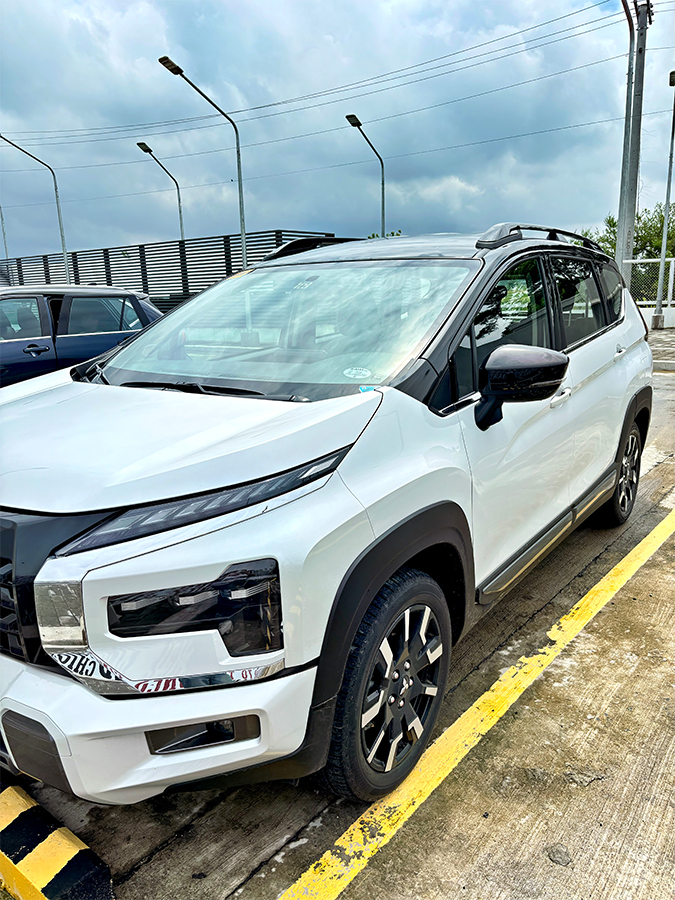
In the Philippines, few vehicles have captured the family car market quite like the Mitsubishi Xpander. Practical, stylish, and reliable, it has become a go-to choice for many. The Xpander Cross takes the same formula and adds SUV-inspired styling, higher ground clearance, and upgraded suspension. Living in Cainta, I had the chance to take the latest Xpander Cross from the east side of Metro Manila, through NLEX and all the way up TPLEX with the full load of 6 passengers. It proved to be a true test of what this MPV-SUV crossover can do.
Design: 4/5
The Xpander Cross is one of the best-looking vehicles in its class. The Dynamic Shield grille, T-shaped LED headlights, and bold bumper design give it a confident, SUV-like stance. The raised ride height, skid plate accents, and 17-inch alloy wheels add to its rugged charm. In Cainta’s narrow streets, the size feels manageable, yet on the highway, it looks substantial enough to hold its own among larger vehicles.
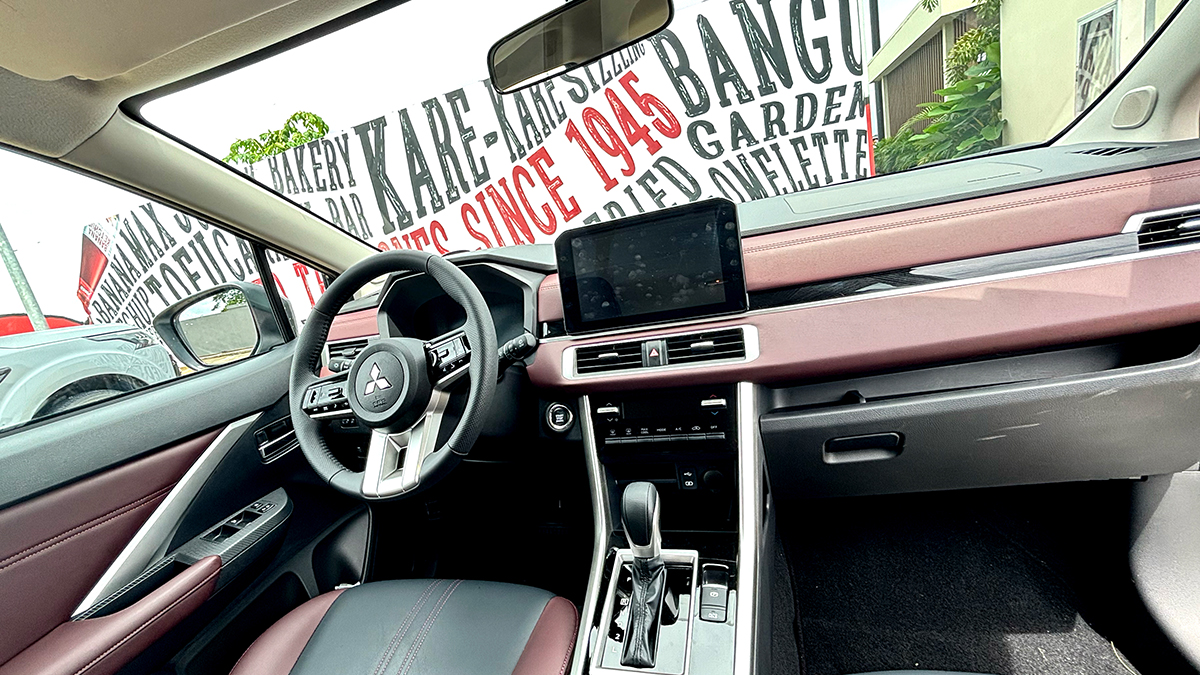
Inside, the Xpander Cross strikes a balance between durability and comfort. The leather-like seats with quilted patterns look premium and are easy to clean, perfect for family use. The dashboard layout is clean and functional, anchored by an 8-inch infotainment screen with Apple CarPlay and Android Auto. All three rows feel usable, with the second row offering plenty of legroom and the third row accommodating adults for shorter trips. With all six passengers on board, there was still enough space in the back for a couple of medium-sized bags.
Hardware: 4.5/5
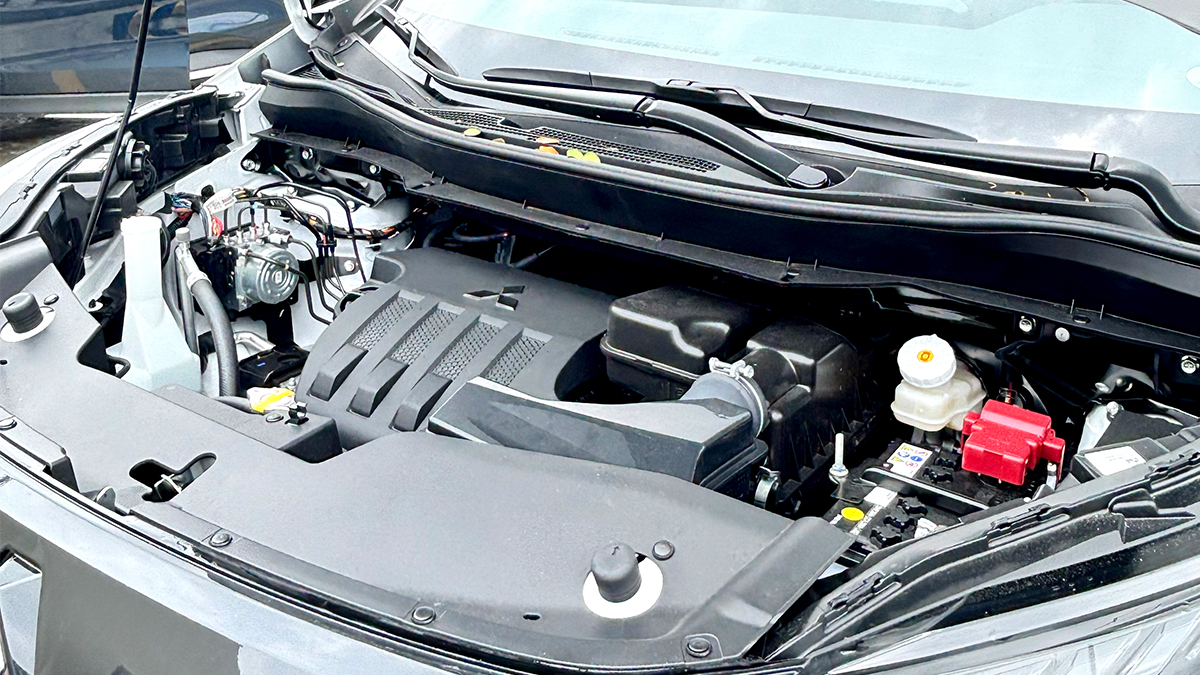
Powering the Xpander Cross is a 1.5-liter MIVEC gasoline engine with 105hp and 141Nm of torque, paired with a CVT. While not the most powerful in its segment, the engine is tuned for smooth, consistent delivery rather than raw acceleration. Around town, the CVT makes stop-and-go driving easy, and on NLEX, the engine had no trouble cruising at highway speeds even with a full passenger load. Overtaking required a firm push on the pedal, but the response was steady.
The upgraded suspension, inspired by the setup in the Montero Sport and Strada, is one of the highlights. It handled rough provincial roads and uneven patches of TPLEX with composure. With six passengers and cargo, the vehicle still felt stable and steady. Ground clearance of 225mm added confidence when passing through rough patches and flood-prone areas.
User Experience: 4.5/5
Driving out of Cainta during rush hour highlighted how easy the Xpander Cross is to maneuver. The elevated seating position offered excellent visibility, while the light steering made weaving through traffic less stressful. Once on NLEX, the Xpander Cross settled into a relaxed cruise. Even with six passengers, the cabin remained quiet, and ride comfort was impressive. Its ground clearance made passengers’ hopping in/out with ease.
Over-all, passenger’s feedback was positive. The second-row seats reclined slightly, giving more comfort on the long northbound journey, while the third-row passengers said space was manageable even over the two-hour ride. Air-conditioning was a strong point, with roof-mounted vents effectively cooling the entire space, a must-have in our climate.
On TPLEX, the adaptive nature of the CVT made long stretches easy. Cruise control would have been welcome, but the stability and comfort of the drive helped keep fatigue low. With the full load, acceleration wasn’t brisk, but the Xpander Cross never felt strained. The improved suspension truly shone here, smoothing out bumps and keeping the ride composed.
Value: 4.5/5
Priced at around PHP1.3 million, the Xpander Cross sits at the upper end of the MPV category. However, the SUV-like design, raised ground clearance, and enhanced suspension make it stand out. For a family of six, it delivers the space, comfort, and practicality needed for both daily drives in Metro Manila and long-haul trips up north.
Fuel economy averaged around 9–10km/L in mixed city driving from Cainta to Quezon City, while highway runs on NLEX and TPLEX with a full load reached about 13–14km/L, which is respectable for a seven-seater.
Bottomline
The Mitsubishi Xpander Cross continues to show why it has become a staple on Philippine roads. It combines the practicality of an MPV with the toughness of an SUV, making it a capable family car. From daily traffic in Cainta to long stretches of NLEX and TPLEX with six passengers and cargo, it proved comfortable, reliable, and versatile. For Filipino families who need one car to do it all—city errands, school runs, and road trips—the Xpander Cross remains one of the smartest choices available today.
Reviewed by Leo Jaime Garcia Also published in GADGETS MAGAZINE Volume 26 Issue No. 4
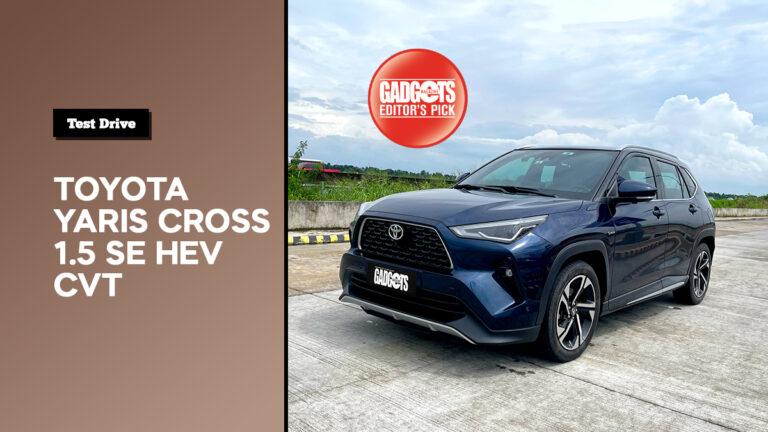
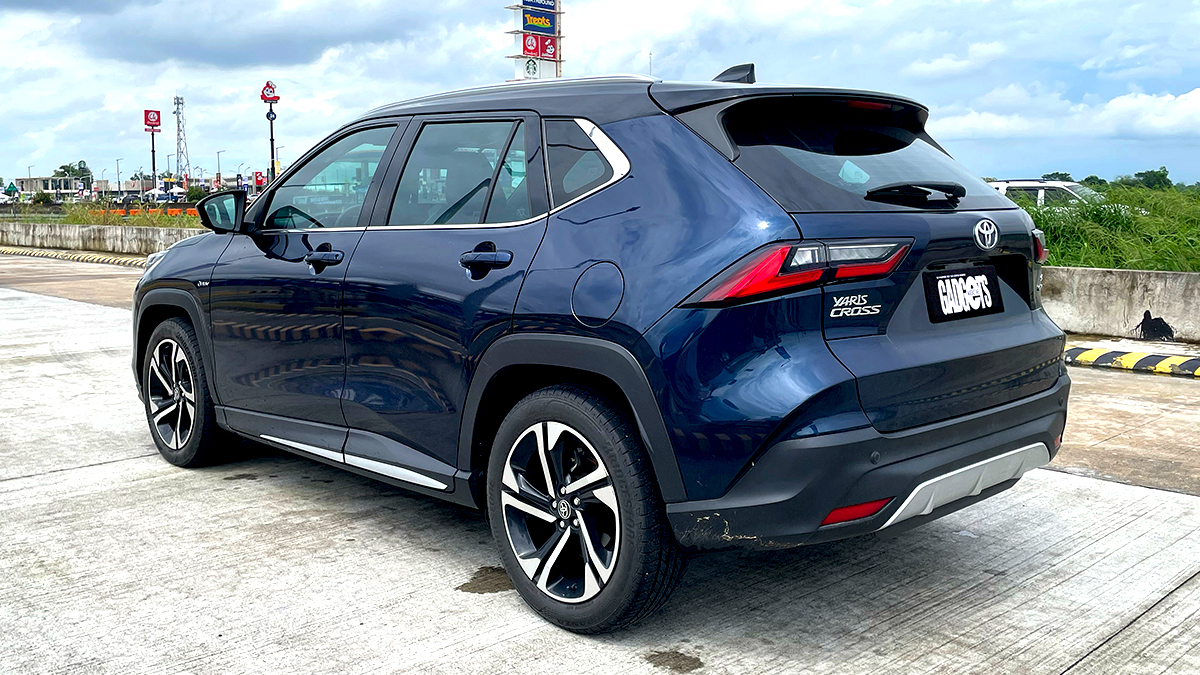
Subcompact crossovers have rapidly become the vehicle of choice for urban professionals and small families. Toyota’s new Yaris Cross Hybrid is perfectly positioned in this competitive market, offering a stylish design, an incredibly fuel-efficient hybrid powertrain, and all the practicality needed for everyday life in the Philippines.
To truly test its mettle, I drove the Yaris Cross Hybrid on a weekend trip to Clark. This journey took us from the congested streets of Quezon City, through the long stretches of NLEX, and up the high-speed TPLEX, fully loaded with passengers and luggage, to see how it performs in diverse driving conditions.
Design: 4/5
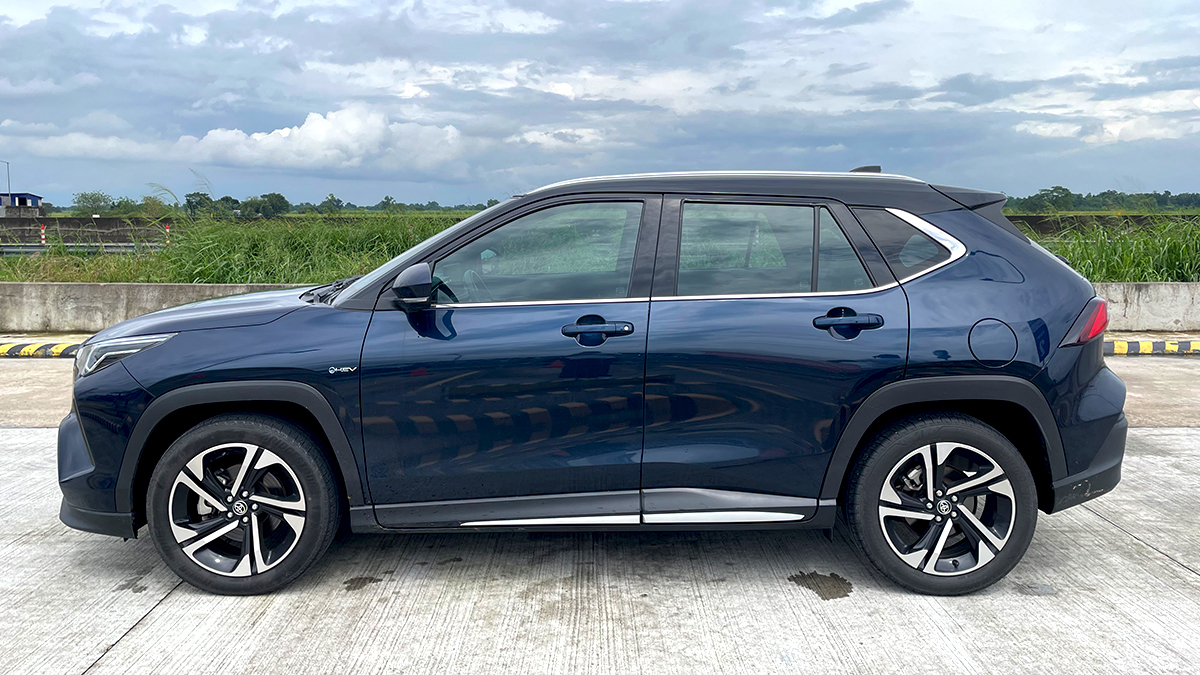
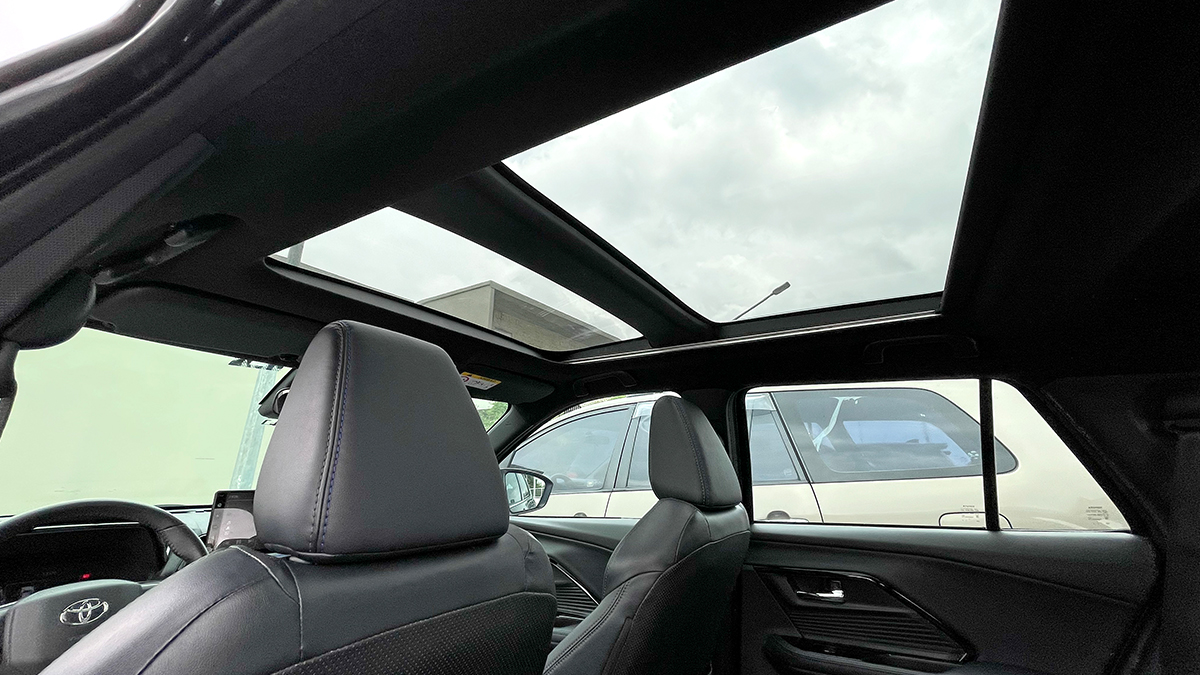
The Yaris Cross Hybrid features a sleek yet tough exterior. Its sharp LED headlights, sculpted body panels, and black cladding give it a notably sporty and assertive stance. The optional two-tone finish—a black roof contrasting the main body color—adds a modern, youthful flair that makes it a standout in Manila’s traffic.
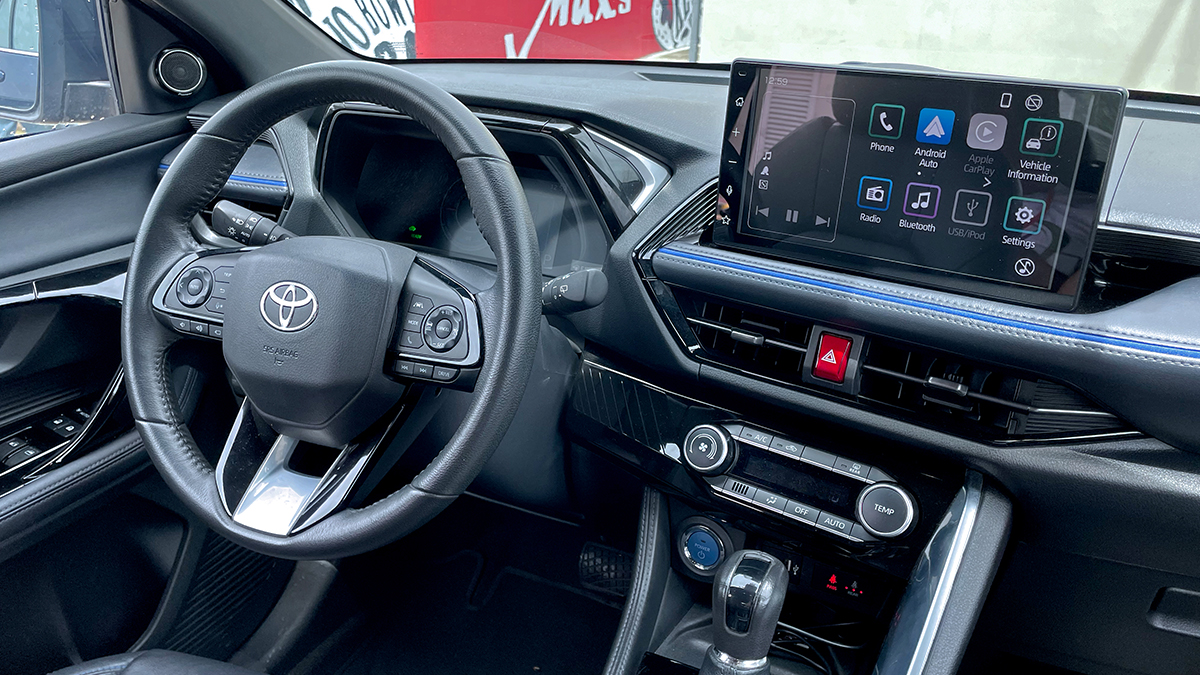
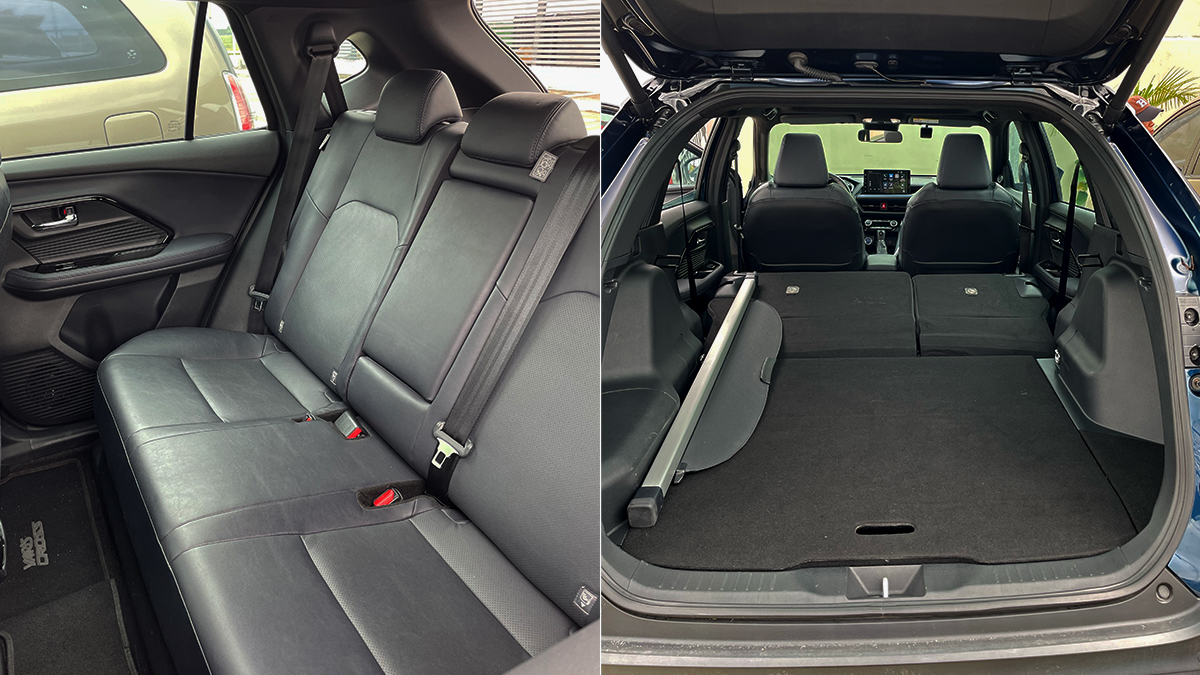
Inside, Toyota has prioritized a simple, modern aesthetic. The cabin feels contemporary, highlighted by the 7-inch digital instrument cluster and a 10-inch infotainment screen featuring seamless wireless Apple CarPlay and Android Auto. Materials are a coherent mix of soft-touch and hard plastics. In terms of space, the second row offers acceptable comfort for two adults, though it’s best suited for shorter city trips. Crucially, the cargo bay is practical, handling a couple of suitcases and weekend bags with room to spare, a capacity that significantly expands when the rear seats are folded down.
Hardware: 3/5
Under the bonnet is a reliable 1.5-liter gasoline engine paired with an electric motor, delivering a combined output of 111 hp. Power is managed by Toyota’s e-CVT, a transmission engineered for maximum smoothness and efficiency rather than aggressive speed.
Around Quezon City, the hybrid system shone. The Yaris Cross moved quietly and effortlessly on electric power at low speeds, significantly reducing driver fatigue during traffic crawls. When additional power was requested, the gasoline engine joined the system seamlessly and without fuss.
On the drive to Clark via NLEX and TPLEX, the Yaris Cross proved capable of maintaining highway speeds. Overtaking maneuvers required a firm push of the accelerator, but the car managed them confidently, even when fully loaded with passengers and cargo. The suspension tuning leans toward comfort, capably absorbing most road imperfections. The steering felt light and nimble in the city but appropriately gained stability at expressway speeds, making the car easy to handle across all driving conditions.
User Experience: 3/5
The Yaris Cross Hybrid is exceptionally suited to city life. The quiet hybrid operation in traffic and outstanding fuel efficiency in stop-and-go conditions are its hallmarks. Visibility is excellent, and its compact size makes navigating narrow streets and tight parking spaces in Metro Manila straightforward.
On the long NLEX run, passengers enjoyed the comfortable seats and the effective air-conditioning, with rear vents being a crucial feature for maintaining comfort on extended trips. On TPLEX, the car remained stable and composed at higher speeds, with the cabin staying impressively quiet. While acceleration isn’t brisk when fully loaded, the Yaris Cross held its steady speed well and never felt strained. The hybrid system’s regenerative braking worked smoothly, and the transitions between electric and gasoline power were virtually unnoticeable.
The infotainment system was intuitive, and the wireless smartphone connectivity eliminated cable clutter. Furthermore, Toyota Safety Sense (TSS) features—including adaptive cruise control and lane departure alert—made the highway portions of the drive far less stressful. These systems worked flawlessly on the long, straight stretches of TPLEX, maintaining safe distances and keeping the vehicle centered in its lane.
Value: 4/5
Priced just under PHP1.6 million for the hybrid variant, the Yaris Cross Hybrid costs more than some petrol-only rivals, but it delivers strong value through superior technology and efficiency. Its fuel economy is exceptional: I observed over 20 km/L in city driving and a remarkable 18 km/L on the highway portions of my trip from QC to Clark and back. That kind of efficiency is extremely difficult to match in this segment.
Toyota backs the Yaris Cross Hybrid with its strong nationwide dealership network and a proven track record of hybrid reliability. The excellent fuel economy and Toyota’s reputation for durability mean that long-term ownership costs are kept attractively manageable.
Bottomline
The Toyota Yaris Cross Hybrid is an ideal choice for the discerning buyer who needs a stylish, hyper-efficient, and reliable crossover for both daily commuting and occasional road trips. From navigating the busy streets of Quezon City to cruising along NLEX and TPLEX with a full load, it consistently delivered comfort, stability, and outstanding fuel economy.
For buyers looking for a practical yet forward-looking crossover that maximizes every peso spent on petrol, the Yaris Cross Hybrid makes a truly compelling case.
Reviewed by Barry Ortiz Also published in GADGETS MAGAZINE Volume 26 Issue No. 4
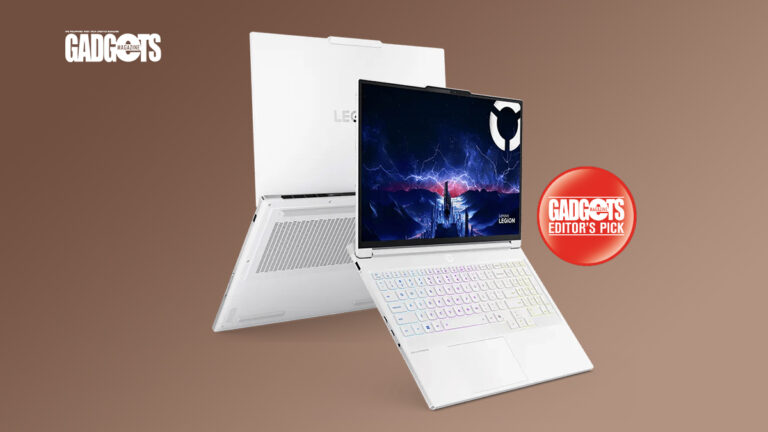
I’ve been using the Lenovo Legion 7i Gen 10 for a few weeks now, and it’s clear this laptop doesn’t know how to slow down. It’s the kind of machine that quietly keeps up no matter what I throw at it, whether it’s editing, gaming, or the occasional “I’ll just watch one episode” moment. I’d open it for work, and before I know it, I’m queuing for a quick Valorant match.
It doesn’t try too hard to prove itself, and maybe that’s what I like most. It just works, whether I’m buried in deadlines or zoning out in a game. It slides easily between work and play without making a big deal out of it, and that’s honestly the best part.
It’s rare to find a gaming laptop that fits so well into both sides of my routine. But the Legion 7i Gen 10 somehow makes that balance feel effortless. Let’s dive into what makes it tick.
Design: 4/5
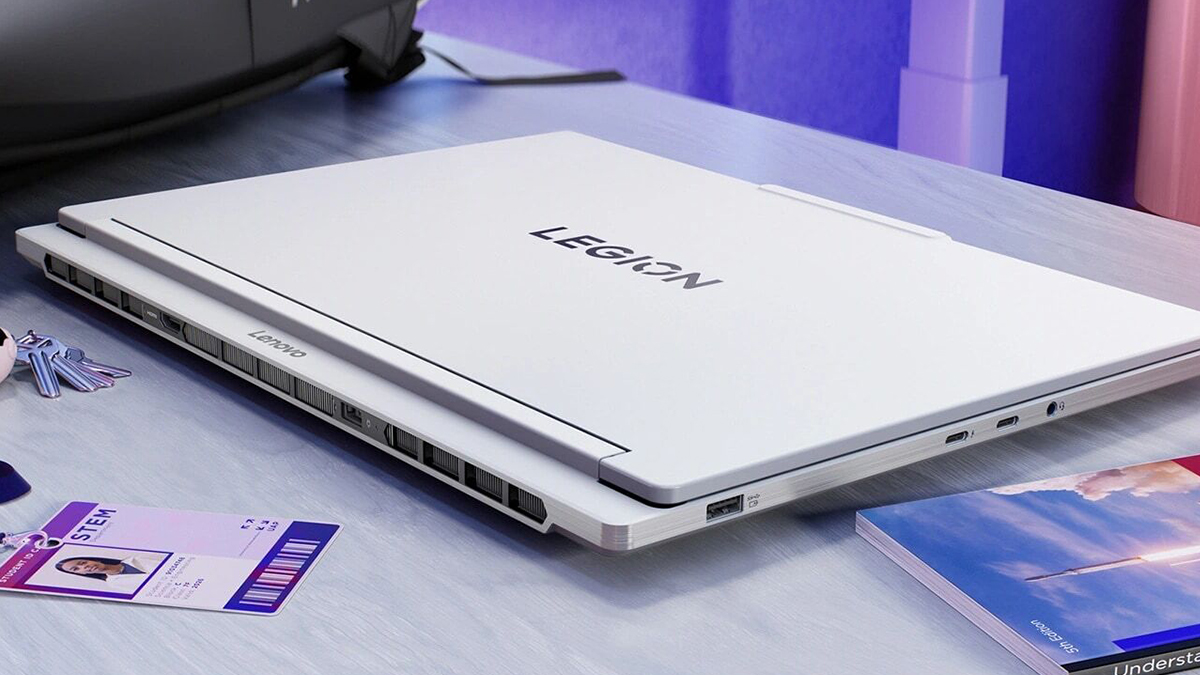
The first time I used the Lenovo Legion 7i Gen 10, I didn’t expect a gaming laptop to look this good. The all-white finish? Chef’s kiss. It’s clean, modern, and looks right at home beside a latte and a half-open notebook. It doesn’t try too hard to show off. It just sits there looking cool and capable. While other gaming laptops are screaming with RGB everywhere, this one’s more like that chill friend who can outplay everyone but still looks put-together doing it.
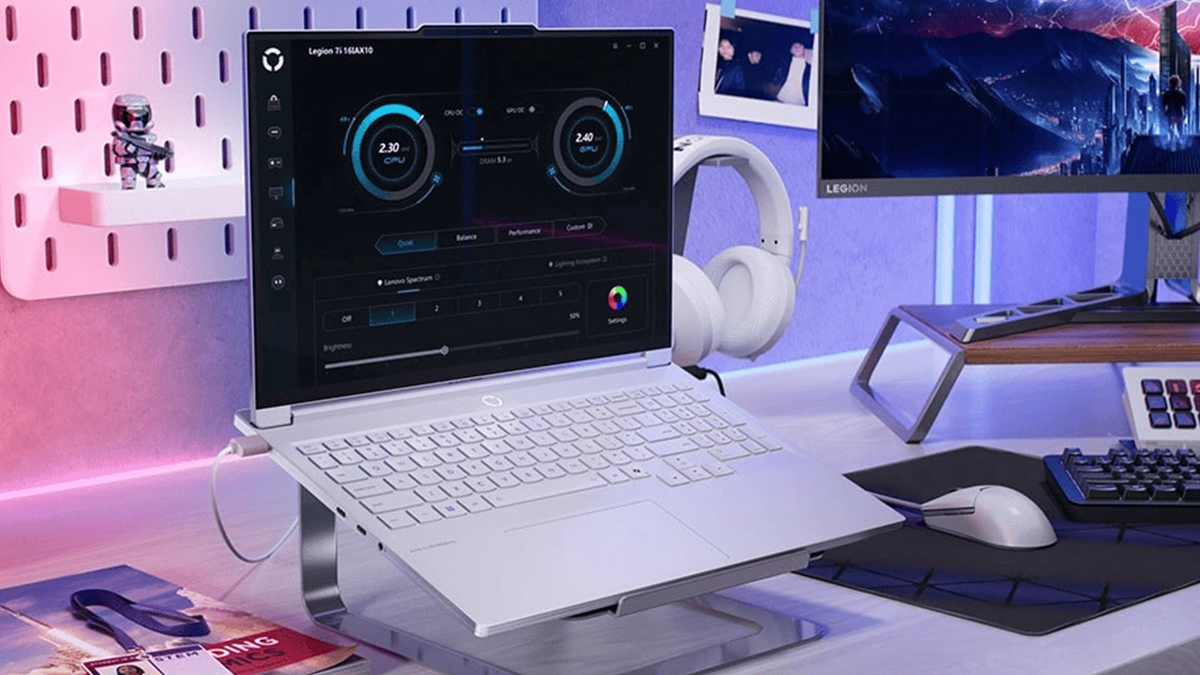
Typing on it feels great, too. The keyboard is satisfying, the clicks are firm and comfy, and the colors are bright without being overwhelming. I actually enjoy writing long documents or editing videos on it because the lighting helps me stay focused. It’s a nice mix of practical and playful.
And the LED display lighting deserves a shoutout. It’s vibrant and immersive when I’m gaming, but it also gives off a focused, studio-like vibe when I’m editing videos. That balance between aesthetic and function is what makes the Legion 7i’s design stand out.
Hardware: 4.5/5
The Legion 7i Gen 10 runs on Intel’s latest Core Ultra 9 processor paired with NVIDIA’s RTX 5070 GPU—serious specs that translate into consistently smooth gameplay even on high settings.
Let’s get this out of the way. Of course, the Legion 7i Gen 10 performs well in gaming. It’s built for that. Running Valorant or Cyberpunk 2077 at high settings is smooth and stable, as expected. The graphics are sharp, the frame rates are consistent, and the cooling system does its job well enough that you can game comfortably for hours.
But what actually surprised me is how well it handles everything outside gaming. I’ve used it for serious video editing, and I mean all-night, high-resolution, multi-layer timeline kind of editing, and it still runs efficiently. Yes, it heats up after a while and you’ll want to keep the charger close, but it never slows down or crashes. That level of stability during heavy creative workloads is what makes it stand out.
The display also helps a lot. It’s crisp, bright, and color-accurate, something content creators and editors will appreciate. It’s the kind of screen that can handle gaming realism and color grading with equal confidence.
Battery life isn’t groundbreaking. You’ll still want your charger nearby, but for a gaming laptop, it performs better than I expected. I can work, edit, or watch shows for a decent stretch before needing to plug in.
User Experience: 4.5/5
What I really like about the Legion 7i Gen 10 is how easy it is to live with. It’s powerful but not intimidating. Switching between gaming, editing, and work feels seamless. The Legion software for performance modes makes it easy to find your rhythm. I can switch to quiet mode for writing or turbo mode for gaming in just a click.
The keyboard layout is clean and comfortable, the touchpad is responsive, and the overall build feels solid. Even the webcam and mic are surprisingly good for a gaming laptop. Video calls look and sound clear without needing extra gear.
Now, the speakers deserve a special mention. They’re easily one of the best I’ve heard on a gaming laptop. The sound is full, rich, and balanced, no tinny highs or muffled lows. Whether I’m editing clips, watching a movie, or playing a match, the sound fills the space beautifully. Honestly, I don’t even bother with my headphones most of the time. It’s one of those features that quietly makes a big difference.
Overall, the Legion 7i Gen 10 is one of those laptops that makes you feel productive and creative at the same time. Whether I’m editing a vlog, answering emails, or sneaking in a quick Valorant round, it just works perfectly with my routine.
Value: 3/5
Let’s be real. With a starting price of roughly PHP130,000,it’s a serious investment. But if you look at what you’re getting, it makes sense. The Legion 7i Gen 10 isn’t just for hardcore gamers. It’s for people who want one machine that can handle everything whether it’s work, play, and creative projects.
You’re paying for the full package: premium build quality, raw power, and thoughtful design that fits both work and lifestyle. It’s not your budget pick, but it’s definitely worth it if you value performance that doesn’t compromise on looks or comfort.
Bottomline
The Lenovo Legion 7i Gen 10 is that rare all-rounder that actually delivers on both style and substance.
What makes it special is how effortlessly it fits different parts of life. You can take it to a café for editing, use it for meetings, then go home and dive into Cyberpunk 2077 at full settings. The design feels premium, the keyboard feels amazing, and the speakers seal the deal.
Sure, it’s pricey, and I still keep my charger close, but for how much it delivers in performance, aesthetics, and comfort, it’s the kind of laptop that makes you feel you made the right choice every single time you open it.
What’s Hot:
Clean and classy all-white design
Bright, color-accurate OLED display
Excellent keyboard feel and satisfying RGB customization
Loud and rich speakers
Powerful specs
Great balance between performance and portability
What’s Not:
Gets warm easily during heavy workloads
Battery life could be better
Price is on the high side
Charger is bulky
Specifications:
Gaming Powerhouse
Intel® Core™ Ultra 9 275HX processor
NVIDIA® GeForce RTX™ 5070 GPU
32GB DDR5 RAM and 1TB SSD storage
AI-tuned performance for seamless multitasking and high FPS gameplay
Visual Brilliance
16″ WQXGA OLED display (2560 x 1600)
Up to 240Hz refresh rate, Dolby Vision, HDR 1000 True Black
100% DCI-P3 color gamut for stunning visuals
Creator-Ready Features
5MP IR webcam with Windows Studio Effects
Legion Spectrum RGB keyboard
Advanced cooling system for sustained performance during rendering and editing