
Trust is essential for people and businesses alike. It is what makes us willing to click, pay, share personal data, and believe a message is legitimate. But the sheer volume of scams is testing that trust, making people more cautious and making it harder for legitimate brands to reach and reassure customers.
The ASEAN Consumer Scam study reveals that 52% of Filipinos have been scammed at least once in their lifetime, a higher rate than in many of their ASEAN neighbors. A report by the Global Anti-Scam Alliance states that Filipinos encounter scam attempts almost every two days and are targeted an average of 239 times a year.
According to Rakuten Viber, scams continue to evolve as cybercriminals increasingly use artificial intelligence and social engineering to create highly targeted attacks that are more difficult to detect.
Hyper-Personalized Scams Are Becoming More Convincing
Rakuten Viber warns that hyper-personalized phishing messages can now imitate trusted contacts and organizations. Using generative AI, scammers can scrape publicly available information and craft messages that mimic banks, telecommunications providers, and government agencies.
The company also points to SMS blasters or IMSI catchers that can hijack legitimate cell towers and insert fraudulent messages into existing message threads, making scams appear almost identical to official communications.
From Deepfakes to Quishing
Bridge attacks and multichannel phishing schemes often begin on trusted platforms before moving victims to less secure channels. Scammers commonly use fake alerts about deliveries, banking issues, or account problems to create a sense of urgency.
Meanwhile, AI-generated imposter scams now use deepfake voice and video technology capable of replicating speech patterns, accents, and emotional cues. Online shopping scams have also evolved, with fraudsters creating fake e-commerce sites and promoting them through paid advertisements.
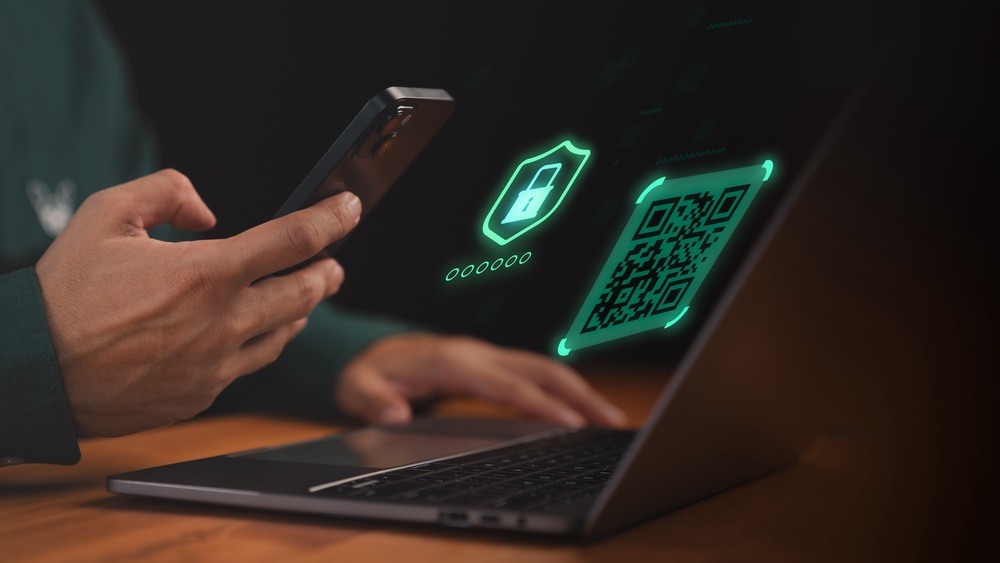
Rakuten Viber also highlighted the rise of QR phishing, or ‘quishing,’ where malicious QR codes redirect victims to fraudulent banking and e-wallet websites or install malware on their devices.
How Rakuten Viber Helps Protect Users
Rakuten Viber uses a hybrid moderation model that combines machine learning technologies with human expertise to identify and block suspicious accounts. Users can also block or report contacts, groups, and communities.
Messages from unknown contacts may appear in a dedicated Message Requests folder, while Caller ID capabilities can help identify suspicious calls. Users can also control who can add them to groups. These features complement Rakuten Viber’s end-to-end encryption for one-on-one and group chats.
Tips to Outsmart Scammers
Rakuten Viber recommends pausing before clicking links or scanning QR codes, verifying the source of messages, avoiding unsolicited attachments, creating family safe words to verify identities, and carefully managing personal information shared online.
“Scams are a pervasive, damaging part of our digital life. They are a serious issue that could cost a lifetime’s worth of savings and bring mental distress. Even the most careful people can fall for scams; these cybercriminals do not care who they steal from,” said Liad Shnell, chief technology officer of Rakuten Viber.
“Fraudsters have become more devious and ruthless. They are constantly changing their tactics through AI and new technologies, and emotional and psychological manipulation that make fraud harder to spot. But security experts everywhere, including us from Rakuten Viber, are on their tail. We are constantly improving our proactive systems to help users protect their personal and financial information.”