

The pilot used local breakout technology to process roaming traffic closer to travelers, reducing latency and improving streaming, browsing, and video calls.
Smart Communications and Ericsson have completed a live pilot of Ericsson On-Demand’s Roaming Breakout service, testing a different approach to how mobile data is handled when subscribers travel overseas.
Instead of routing roaming traffic back to the Philippines before reaching its destination, local breakout technology processes data closer to where the subscriber is located. In the pilot, traffic was routed through a Google point-of-presence in Virginia in the United States, reducing the distance data had to travel and improving responsiveness.
Testing real-world roaming use cases
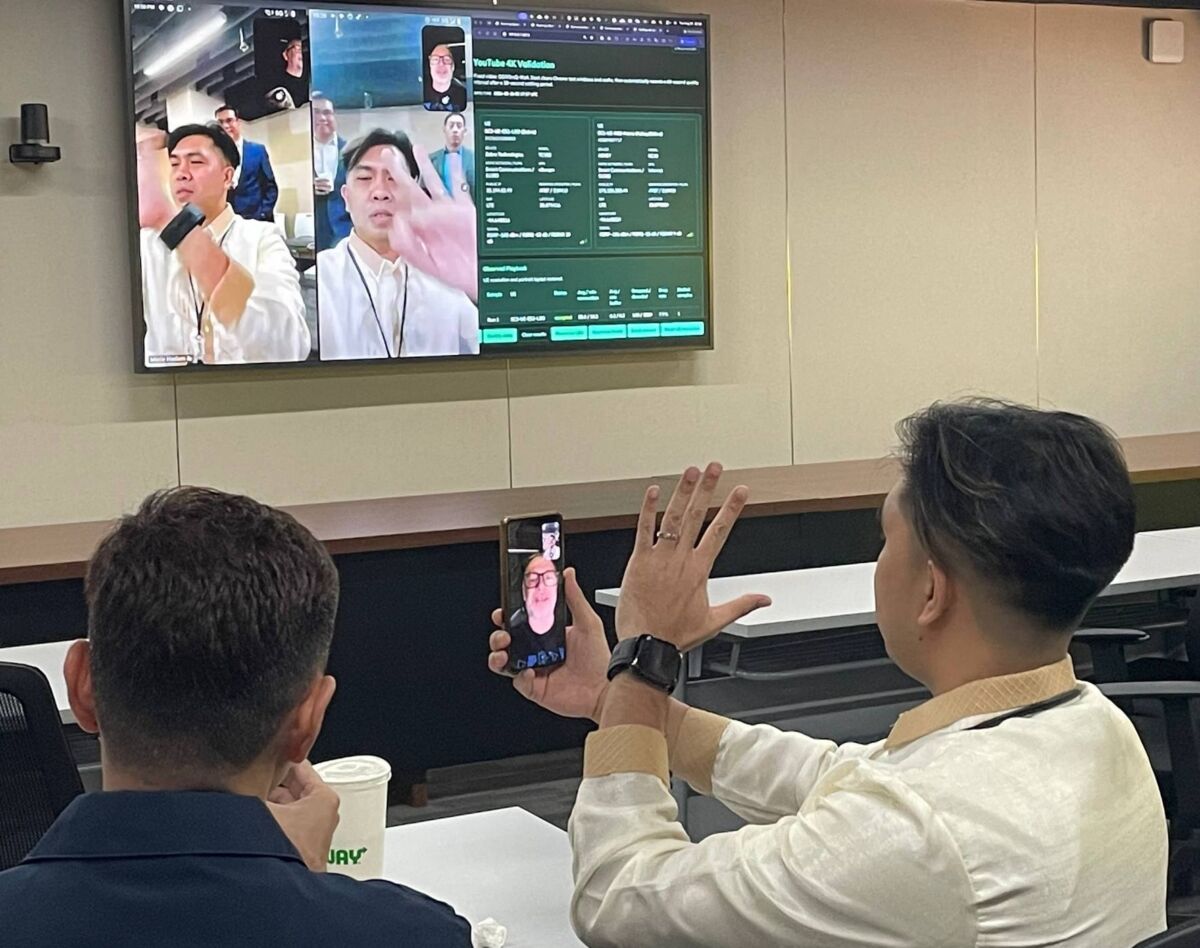

The demonstration was conducted simultaneously in the United States and the Philippines and covered services commonly used by travelers, including web browsing, video streaming, and video calling.
Messenger video calls were tested between users in the US and the Philippines, as well as between the US and Sweden. The local breakout-enabled smartphone delivered a smoother call experience than the home-routed setup during the demonstration.
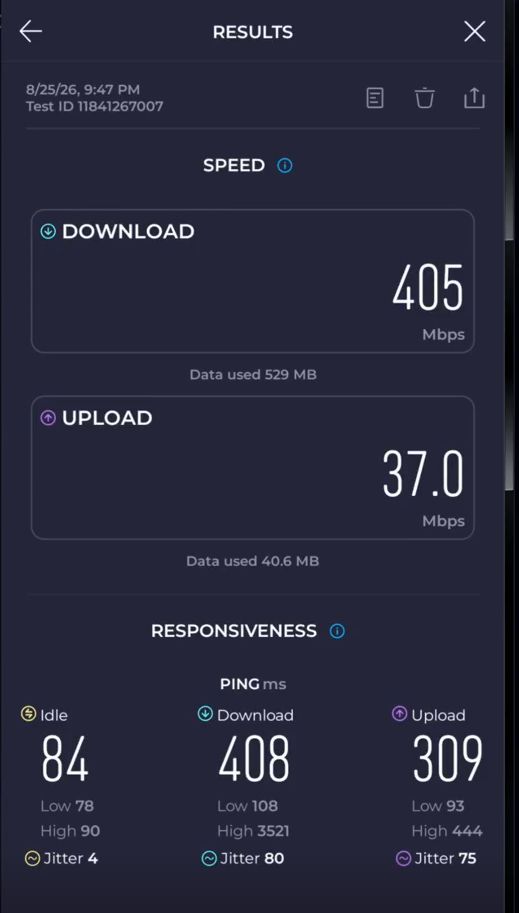
Speed tests also showed download speeds of up to five times faster, together with significantly lower latency and smoother 4K video streaming when local breakout was enabled. These results were observed under the pilot conditions and are intended to show how processing traffic closer to the user can improve the roaming experience.
A more local-like connection overseas
Traditional roaming often sends a subscriber’s data back through the home network even when the user is thousands of kilometers away. That longer route can increase latency, which becomes particularly noticeable in video calls, streaming, gaming, and other real-time applications.
Local breakout reduces that detour by allowing data to exit the mobile network closer to the roaming subscriber. The goal is to deliver an experience closer to what travelers might expect from a local SIM or travel eSIM, while still using their Smart connection.
“As customer expectations evolve, we continue to actively explore technologies that can transform how our subscribers stay connected while traveling abroad,” said Roderick S. Santiago, head of network strategy and architecture at PLDT and Smart.
“This successful pilot with Ericsson gives us valuable insights into how next-generation roaming capabilities can help deliver a leveled-up experience for Filipinos wherever their journeys may take them.”
Ericsson On-Demand provides the cloud-based core
The pilot used Ericsson On-Demand’s cloud-based roaming breakout service, supported by a SaaS Core built for Google Cloud.
By deploying mobile core functions closer to roaming users, the architecture can reduce the distance subscriber data travels and improve network responsiveness.
“This successful pilot demonstrates how our SaaS Core built for Google Cloud, with its ease of creating core networks anywhere in the world, can help transform the roaming experience for mobile subscribers,” said Bipin Melvin, vice president and head of cloud software and services for Singapore, Brunei, Philippines and the Pacific Islands at Ericsson.
“By enabling data traffic to break out closer to where travelers are located, Ericsson On-Demand’s Roaming Breakout service can significantly reduce latency and improve performance.”
The pilot gives Smart another option to explore as roaming services evolve toward lower-latency, cloud-based architectures that can provide travelers with more consistent connectivity outside their home market.