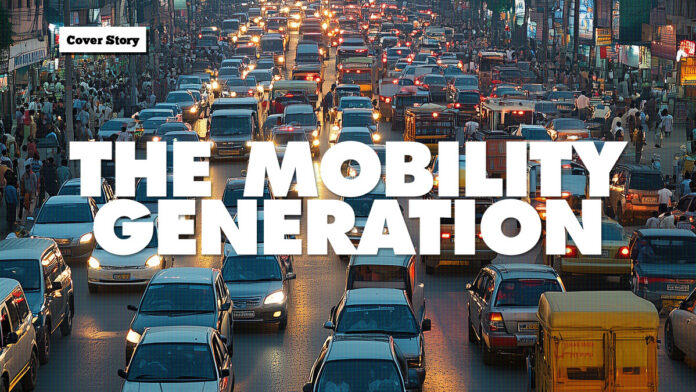

Few things evoke a stronger love-hate relationship among young Filipinos than transportation.
Before many of them even leave home, they’ve already checked traffic on Google Maps, booked a ride, topped up an RFID account, or compared fuel prices, all from the same device in their pocket. For a generation that lives through screens, mobility often begins with a tap long before they get behind the wheel or step onto a train.
That digital-first relationship is reflected across social media. Open any platform, and you’ll find countless videos romanticizing life on the road. They celebrate late-night drives through city lights, spontaneous road trips with friends, proud posts celebrating the purchase of a first vehicle, and motorcycle creators documenting rides across provinces. Others create playlists and songs inspired by the freedom of being behind the wheel.
Then scroll just a little further, and the mood changes. The same feeds are filled with complaints about EDSA traffic, overcrowded MRT stations, rising fuel prices, expensive parking fees, and hours lost in daily commutes.
Today’s youth are looking at transportation through a completely different filter. Rather than simply buying vehicles, they are rethinking what mobility means in the context of living in the Philippines.
Redefining What It Means to Drive
For decades, buying a vehicle was often shaped by family loyalty to a brand, recommendations from relatives, or the status that came with owning a particular model. But Gen Z buyers often arrive at dealerships having already watched dozens of YouTube reviews, scrolled through owner groups on Facebook, read Reddit threads, compared fuel economy figures, and crunched financing costs down to the last peso. They arrive informed, sometimes knowing more about the vehicle’s spec sheet than the salesperson.
More than anything, practicality drives their decisions. Monthly payments, fuel costs, maintenance expenses, insurance, and the availability of spare parts often carry more weight than brand popularity or trendy marketing.
A young office worker might spend weeks comparing SUVs on YouTube, only to realize, after factoring in parking fees, monthly fuel costs, insurance, and maintenance, that a scooter makes far more financial sense. The dream doesn’t necessarily disappear. It simply gives way to the realities of everyday life.
That shift is easy to spot on Philippine roads. Compact crossovers, practical sedans, fuel-efficient hatchbacks, and affordable motorcycles have become the vehicles of choice for many young Filipinos. With the cost of living climbing and budgets stretched more than ever, owning a vehicle is no longer just about making a statement but making the numbers work for you.
Mobility on Two Wheels
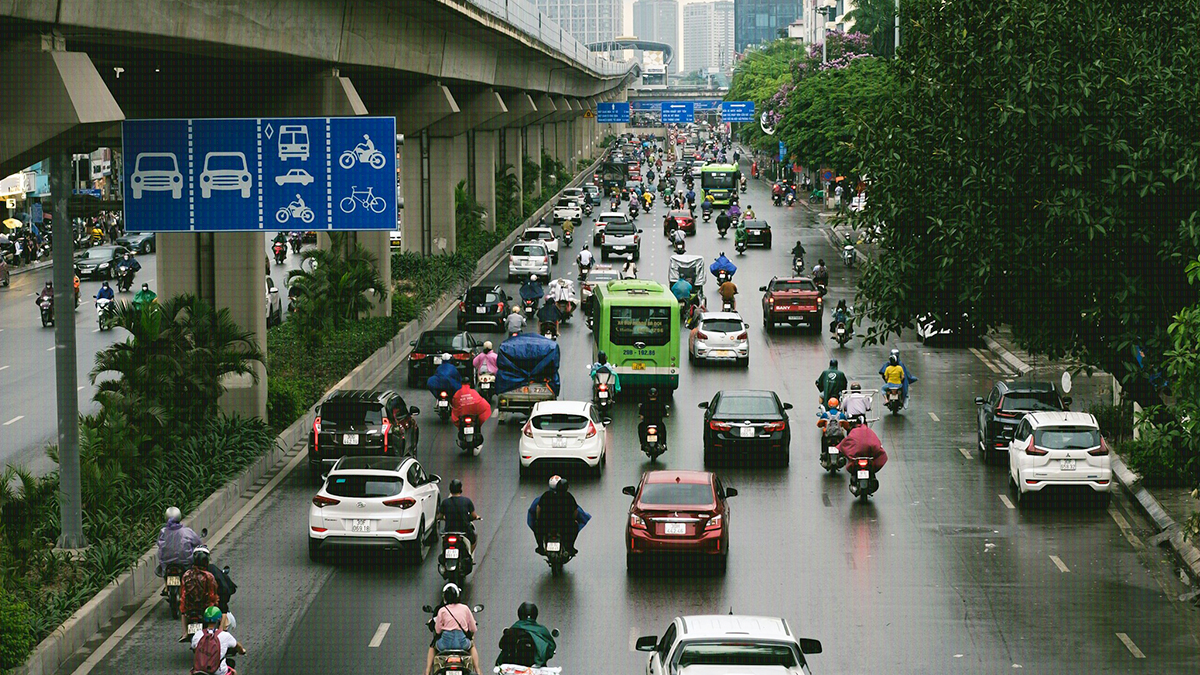
Everyone talks about cars, but one of the biggest transportation stories among young Filipinos is unfolding on two wheels.
The numbers tell the story. Historical data from the Land Transportation Office (LTO) and the National Statistical Coordination Board (NSCB) show that motorcycles and tricycles overtook utility vehicles and private cars as early as 2005. Since then, the gap has only widened. By 2022, the LTO recorded more than 6.9 million registered motorcycles nationwide, completely dwarfing the country’s fleet of private cars.
For many students, young professionals, delivery riders, and first-time workers, motorcycles and scooters have become the most accessible path to personal mobility. They’re cheaper to buy, easier to maintain, highly fuel-efficient, and often the only way to cut through congested urban traffic. In a country where commuting can consume hours of your day, that combination is impossible to ignore.
On the other hand, motorcycles also expose riders to greater safety risks, harsh weather conditions, and roads that are rarely designed with two-wheel mobility in mind. For many, choosing a motorcycle is as much a harsh practical necessity as it is a personal preference.
For this tech-first generation, however, the two-wheel experience is heavily digitized. It’s no longer just about the bike but the electronic ecosystem built around it. Young riders are investing heavily in action cameras to document their daily commutes, helmet communicators for seamless navigation and music, smart riding gear, and connected scooters that sync directly to their smartphones via dedicated apps.
Despite the risks, the appeal goes beyond pure utility. Motorcycles have developed a thriving subculture of their own. Social media is filled with riding communities, weekend group rides, travel vlogs, and content creators documenting adventures across the country. Mobility is no longer defined by traditional car ownership alone. Instead, the goal is to move from point A to point B more efficiently, conveniently, and affordably.
Cars as Connected Devices
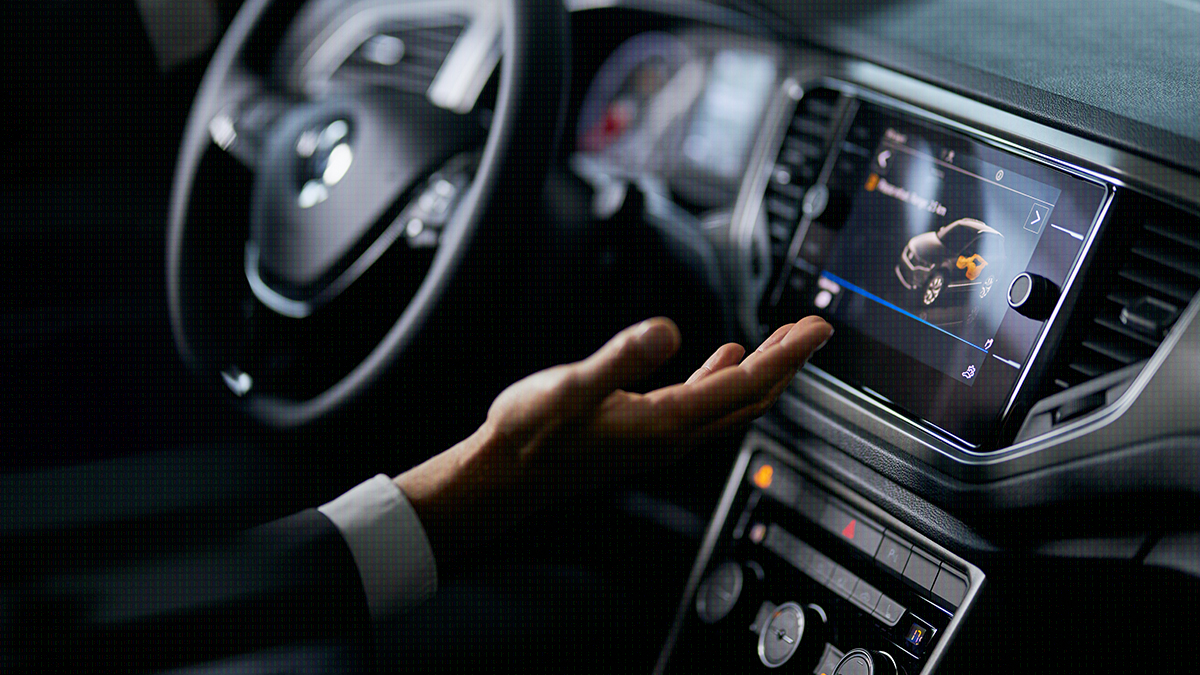
Affordability may influence the initial purchase decision, but technology increasingly determines the final one. For many Gen Z consumers, a car is no longer just a means of transportation. It’s another connected device in their digital ecosystem.
Not long ago, features like wireless Apple CarPlay or a fully digital instrument cluster were almost exclusively found in premium vehicles. Today, many younger buyers treat them less as luxury extras and more as baseline expectations. As a result, many young buyers evaluate cars much like they evaluate smartphones, looking beyond mechanical performance to the overall user experience.
They want deeper digital integration: over-the-air (OTA) updates that improve the vehicle overnight, digital keys stored on their smartphones or smartwatches, subscription-based features that can be unlocked when needed, and responsive AI assistants with natural voice controls. If a vehicle’s software feels slow or outdated, many Gen Z buyers are willing to overlook impressive horsepower and move on to another option.
The question is no longer just, “How does it drive?” It’s also, “How well does it fit into my digital life?”
That shift in priorities has become so recognizable that it’s now a recurring joke in online car content. Videos titled “Things Gen Z Car Buyers Like” often poke fun at younger buyers for obsessing over ambient lighting, giant touchscreens, wireless connectivity, and software features before asking about engine specifications. While exaggerated for laughs, the trend reflects a real change in consumer expectations.
The Reality of Electrification
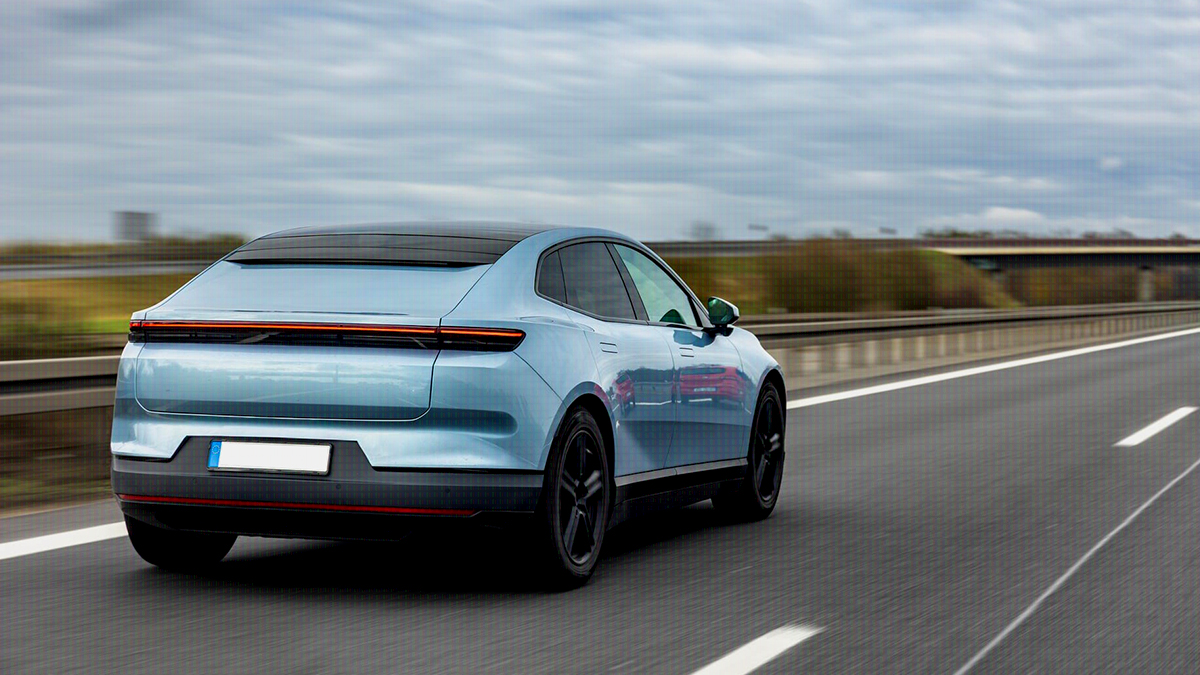
Given Gen Z’s reputation for being tech-savvy and environmentally conscious, it would be easy to assume that fully electric vehicles are an obvious pick. While many young Filipinos support sustainable transportation and recognize the climate benefits of EVs, good intentions quickly collide with the reality of a tight budget. High upfront costs, limited public charging infrastructure outside major hubs, and concerns about long-term battery ownership create massive barriers.
This is why hybrids have become an attractive alternative. They offer lower fuel costs and reduced emissions without relying on charging stations. More importantly, they fit Gen Z’s practical mindset: embracing greener technology without taking on the costs and uncertainties of going fully electric. It reflects a generation that’s willing to make more sustainable choices but only when those choices also make sense for everyday life.
The Alternative Mobility Ecosystem
Yet buying a vehicle isn’t the only way this generation is redefining mobility.
Ironically, while conversations about youth mobility often center on cars and motorcycles, many young Filipinos are choosing not to own a private vehicle at all. For them, mobility is less about what’s parked in the garage and more about what’s on their phone.
Google Maps and Waze provide real-time traffic updates before they leave home. Shared locations, dropped pins, and live ETAs have made meeting up and navigating the city easier than ever. In many ways, these digital tools have fundamentally changed how Gen Z moves, making every trip more connected, predictable, and flexible.
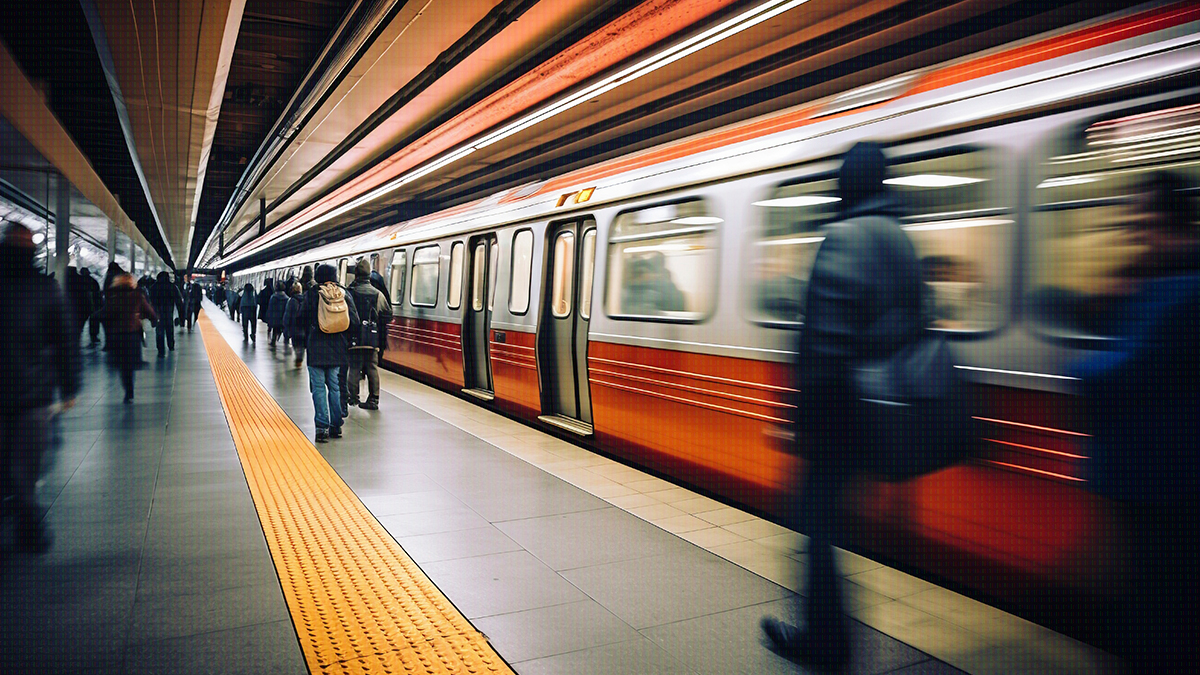
That same mindset extends to how they get around. Ride-hailing services, motorcycle taxis, the MRT and LRT, and the EDSA Bus Carousel have become part of a single mobility ecosystem that users can switch between depending on cost, convenience, and traffic conditions.
Then there is the structural shift of remote work. Many Gen Z professionals no longer have a daily commute, making traditional vehicle ownership an unnecessary financial burden.
Mobility Over Status
The generation behind mobility’s next big shift is not defined by horsepower figures or brand heritage alone. Some will choose compact crossovers. Others will buy motorcycles, scooters, or e-bikes. Some will embrace hybrids, while others may decide that public transportation or remote work makes more financial sense.
What unites them is not the specific type of vehicle they choose, but the realities shaping those choices.
For previous generations, transportation was often tied to aspiration. Owning a car symbolized success, stability, and upward mobility. For many young Filipinos today, mobility has become less about status and more about survival.
That shift says as much about the state of the country’s transportation system as it does about the youth navigating it.
Previous generations dreamed of owning the right car. This generation is simply trying to move through the city smarter, faster, and more affordably. In that sense, the future of Philippine mobility won’t be defined by horsepower or price tags, but by how well technology helps people reclaim the time, freedom, and opportunities that traffic has long taken away.
Words by Aljhelyn Piador
Also published in GADGETS MAGAZINE Volume 26 Issue No. 11