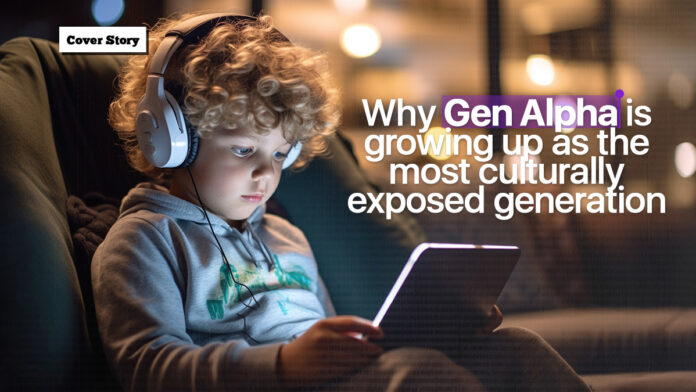

These days, there is a good chance you will meet a Filipino child who speaks with a slight British accent after watching Peppa Pig, asks for sushi instead of spaghetti, and performs the choreography of K-pop artists as naturally as if it were the only dance they have ever known. They may say “mum” instead of “mama,” know the difference between ramen and udon, and recognize creators from South Korea, Japan, and the United Kingdom before they have even finished elementary school.
These details may seem amusing at first. But in reality, they reveal something much larger: Gen Alpha is growing up as the most culturally exposed generation in history.
A Borderless Childhood
For previous generations, cultural exposure was largely shaped by geography. Most children were limited to the perspectives of their families, local schools, and whatever happened to be playing on television. Encountering a foreign culture was relatively rare, usually experienced through textbooks or imported programs. In many cases, actual cultural exchange was still tied to travel opportunities and privilege.
For Gen Alpha, however, the internet has effectively dissolved these boundaries. On platforms like TikTok, YouTube, and online games, a child might move through British humor, Japanese aesthetics, and American creators before their first snack break.
Global culture is no longer something they gradually discover as they grow older. Instead, it has become part of the background of everyday life. For this generation, culture-hopping is not necessarily a deliberate educational experience. It is simply how they spend time online.
Gaming as Cultural Immersion Spaces
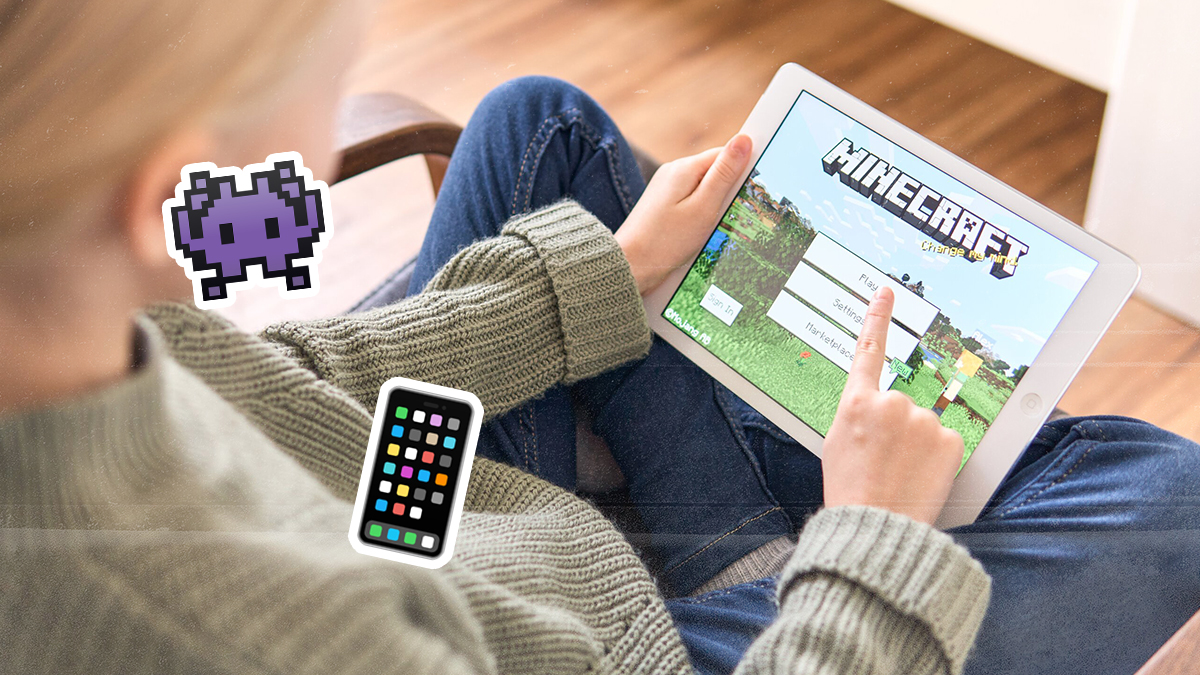
The playground has officially moved beyond the local park and into the digital spaces of Roblox, Minecraft, and Fortnite. For Gen Alpha, these are not just games, but social environments where interaction with different accents, behaviors, and cultures happens naturally.
These platforms often become a child’s first real window into the wider world. Long before they can travel abroad, many already interact with people from different countries online.
At the same time, Gen Alpha is developing a language heavily shaped by internet culture. Memes, trending sounds, gaming slang, emotes, and viral references spread rapidly across platforms. A TikTok sound may quickly become part of a Roblox joke, while online humor evolves almost in real time.
For older generations, this language can seem chaotic or difficult to understand. For Gen Alpha, however, it functions as a shared online vocabulary shaped by the internet itself.
Exposure to Discernment

Exposure to these digital spaces may also be shaping how Gen Alpha filters information and experiences culture.
Rather than passively consuming content, many children now participate directly in online culture by remixing trends, reposting videos, editing content, and reacting in real time. In many ways, they are learning to engage with culture while simultaneously reshaping it.
This environment appears to encourage a stronger sense of discernment at an early age. Many children already recognize the difference between highly polished content and something that feels authentic.
A traditional celebrity advertisement, for example, may immediately feel staged or overly curated. In contrast, an unfiltered TikTok review filmed in a messy bedroom may feel more trustworthy precisely because it appears imperfect.
Growing up surrounded by livestreams, casual vlogs, and unscripted content has given this generation a broad understanding of what “real” looks like online. As a result, they often respond more strongly to authenticity than presentation.
Because their digital lives move quickly, Gen Alpha also tends to become highly selective about what deserves attention. Content that feels irrelevant is discarded almost immediately.
They are not necessarily smarter than previous generations. But they are learning how to navigate digital environments with a level of familiarity that earlier generations never experienced at such a young age.
Closely tied to this is their growing ability to move fluidly between different online spaces, cultural references, and social norms. Whether switching between gaming communities, anime trends, K-pop fandoms, or Western creators, Gen Alpha often adapts quickly to changing contexts.
This does not necessarily mean deep cultural mastery. However, it does suggest the early development of a mindset built around flexibility, constant adaptation, and rapid reinterpretation.
Together, these traits point to a generation learning not just to consume culture, but also to continuously decode, filter, and reassemble it.
Empathy as a Baseline
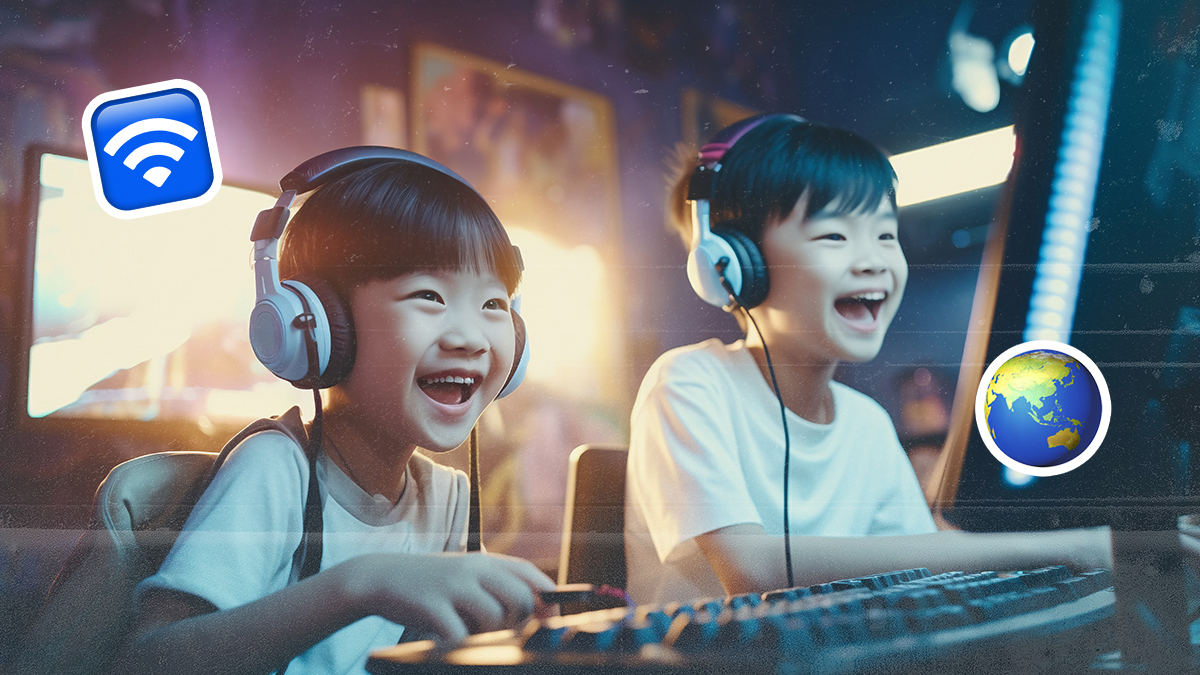
One of the most significant possible outcomes of this digital immersion is the normalization of diversity. Differences may increasingly feel familiar rather than unusual.
When children regularly encounter different languages, appearances, traditions, and lifestyles online, exposure to diversity becomes part of everyday life rather than a special lesson taught occasionally in school.
Studies on Gen Alpha’s increasingly borderless worldview suggest that constant access to global social media is making cross-cultural interaction feel routine. This influence extends beyond entertainment and into food, fashion, aesthetics, and social behavior.
At the same time, it is important to recognize that much of this understanding still happens through screens. Their understanding of other cultures is often shaped through curated digital experiences rather than direct real-world interaction.
Even so, Gen Alpha may become the first generation to grow up where global citizenship feels less like an aspiration and more like a starting point.
If they are growing up fluent in multiple cultures, perspectives, and online environments all at once, they may eventually redefine not only how culture is consumed, but how it evolves in the first place.
Words by Aljhelyn Piador
Also published in GADGETS MAGAZINE Volume 26 Issue No. 10