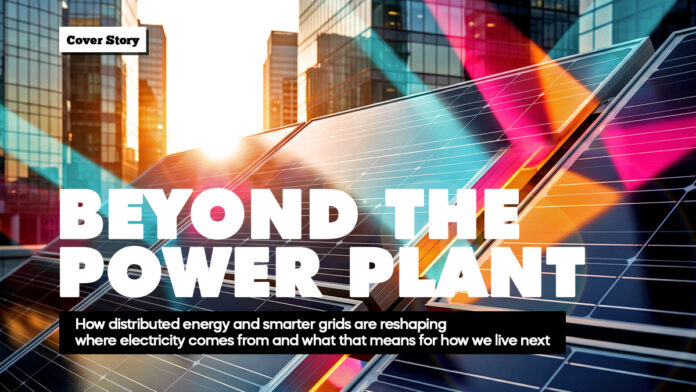

How distributed energy and smarter power grids are reshaping where electricity comes from and what that means for how we live next
For many years, power followed a predictable path. It was generated in large facilities located far from homes and cities, then delivered through transmission lines that stretched across regions. While the system was efficient enough to support industrialization and urbanization, it also depended heavily on centralized infrastructure.
In recent years, that arrangement has begun to change.
Energy is no longer defined only by where it is produced. It is increasingly shaped by where it can be integrated. Instead of relying on a single source, electricity is now being generated, stored, and managed across multiple locations, from buildings and transport systems to digital networks that help balance supply and demand.
This is what the shift toward distributed energy looks like in practice. Power is moving beyond the power plant.
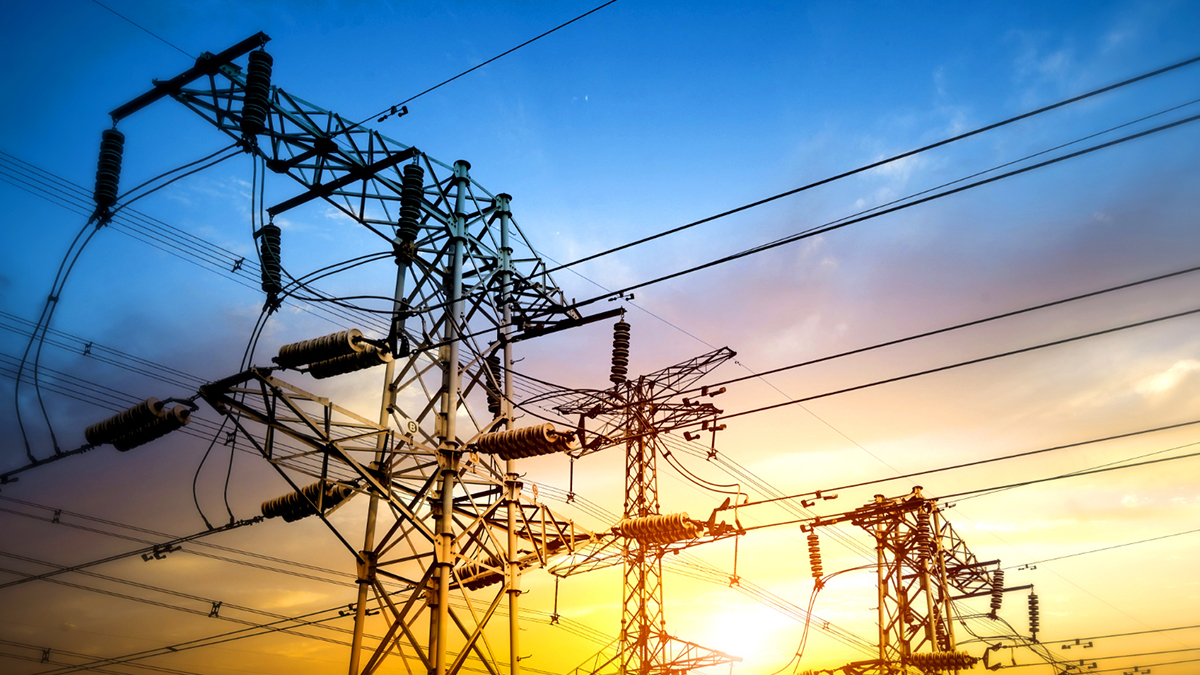
The Transition Away From One-Source Electricity
In the past, electricity systems relied heavily on centralized generation. Large coal, gas, and nuclear facilities produced power at scale, sending it outward through national grids to support cities and industries. These plants made modern economies possible, but they also created systems that depended on distance, stable fuel supplies, and uninterrupted transmission networks.
With growing demand for electricity and rising awareness of climate issues, countries began exploring alternatives that could make energy systems more flexible and resilient. In addition to developing large-scale power plants, planners also began focusing on smaller installations that provide electricity locally.
This shift does not mean that conventional generators will be phased out. Instead, it changes their role within a broader network, allowing multiple sources of power to operate simultaneously.
The result is a quieter but significant transformation in how electricity moves through modern life.
Solar Energy Changed Where Power Can Exist
No technology represents this shift more clearly than solar energy.
While conventional plants require specific locations for operations and fuel supply, solar systems can operate wherever sunlight is available. Large solar installations supply power at scale, while rooftop panels allow individual buildings to generate electricity during the day.
As a result, the geography of electricity generation is changing. Energy is no longer confined to industrial zones, but is increasingly integrated into the spaces where people live and work.
Smart Grids Are Connecting More Than Power Lines
Electricity networks were originally designed to deliver power in a single direction, from generation sites to end users.
Today, that is changing.
Smart grids make electricity networks more flexible and responsive. Instead of simply delivering power, they help manage where energy comes from and where it is needed most. This is especially important as electricity is now generated from multiple sources, including solar, wind, and other renewables, across different locations.
Because of this shift, the grid is no longer just a network of power lines. It is becoming a system that helps balance, guide, and support the flow of energy in everyday life.
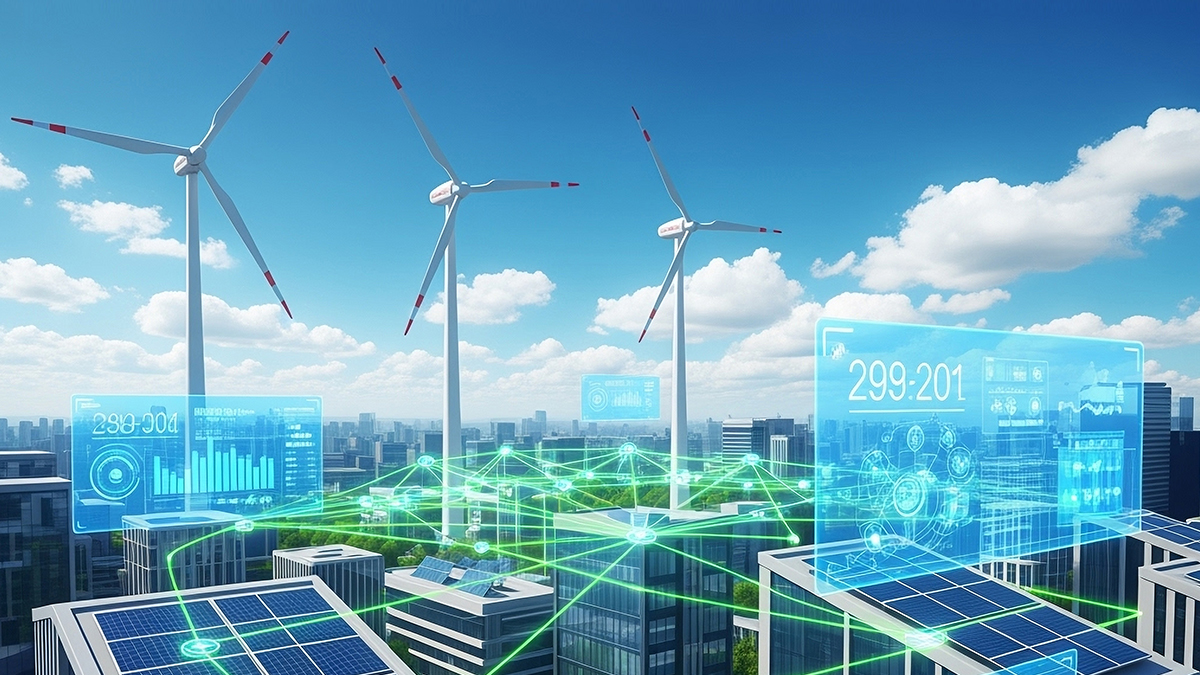
Infrastructure Is Becoming Part of the Energy System
One of the more interesting developments in today’s energy transition is how everyday infrastructure is beginning to generate electricity.
Engineers are exploring ways to integrate energy systems into roads, pavements, buildings, and transport spaces. Solar-ready materials and technologies that generate power from movement show that the environments people move through every day can also serve as energy sources.
This reflects a broader shift. Instead of producing electricity only in large power plants, energy is becoming part of the spaces where people live, work, and travel.
Power Is Moving Closer to Everyday Life
These developments point to a clear direction. Energy production is no longer limited to distant power stations. It is increasingly taking place across multiple layers of modern infrastructure.
Solar panels on rooftops are turning homes and buildings into small-scale energy producers. At the same time, smart grids are coordinating multiple energy sources to improve efficiency and reliability.
Together, these changes reflect a broader shift. Power is becoming embedded in the spaces, systems, and technologies that people interact with every day.
The Next Energy System Will Not Be Built in One Place
The transition taking place today is defined not by a single technology, but by a broader shift in how energy systems are designed.
In the past, electricity was generated primarily by large centralized facilities. Today, multiple energy sources are connected through networks that distribute power across different locations.
Electricity no longer comes from a single source. It is increasingly produced wherever conditions allow.
This shift is shaping how cities are designed and how people interact with energy, making electricity more closely tied to the spaces where daily life happens.
Words by Phia Manuell Layoso
Also published in GADGETS MAGAZINE Volume 26 Issue No. 9