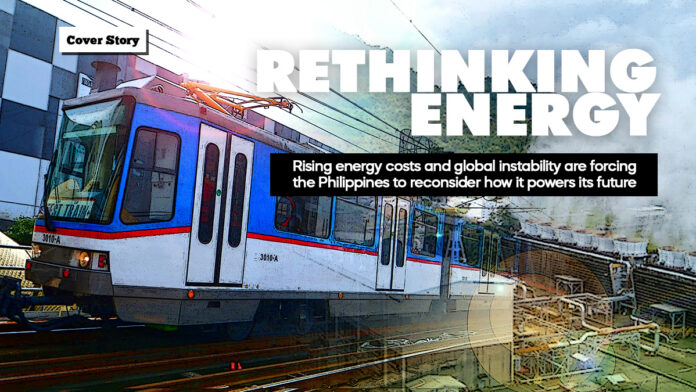

Rising energy costs and global instability are forcing the Philippines to reconsider how it powers its future
The Philippines is facing one of its most significant energy challenges in recent years. Ongoing geopolitical tensions in the Middle East have disrupted global oil supply chains, driving fuel prices higher. As motorists and commuters feel the immediate impact, the effects ripple across the broader economy, with rising logistics costs pushing up the prices of everyday goods.
As the situation deepens, it has become clear that the country’s current energy system is not sustainable. This challenge has exposed a fundamental weakness: a heavy reliance on imported oil. The Philippines imports more than 90% of its crude oil, with over 60% of it used by the transportation sector. In electricity generation, coal continues to account for a large share of the mix, with much of it still imported.
Taken together, a significant portion of the country’s energy supply depends on external sources, leaving it highly vulnerable to global disruptions.
The Need for an Alternative
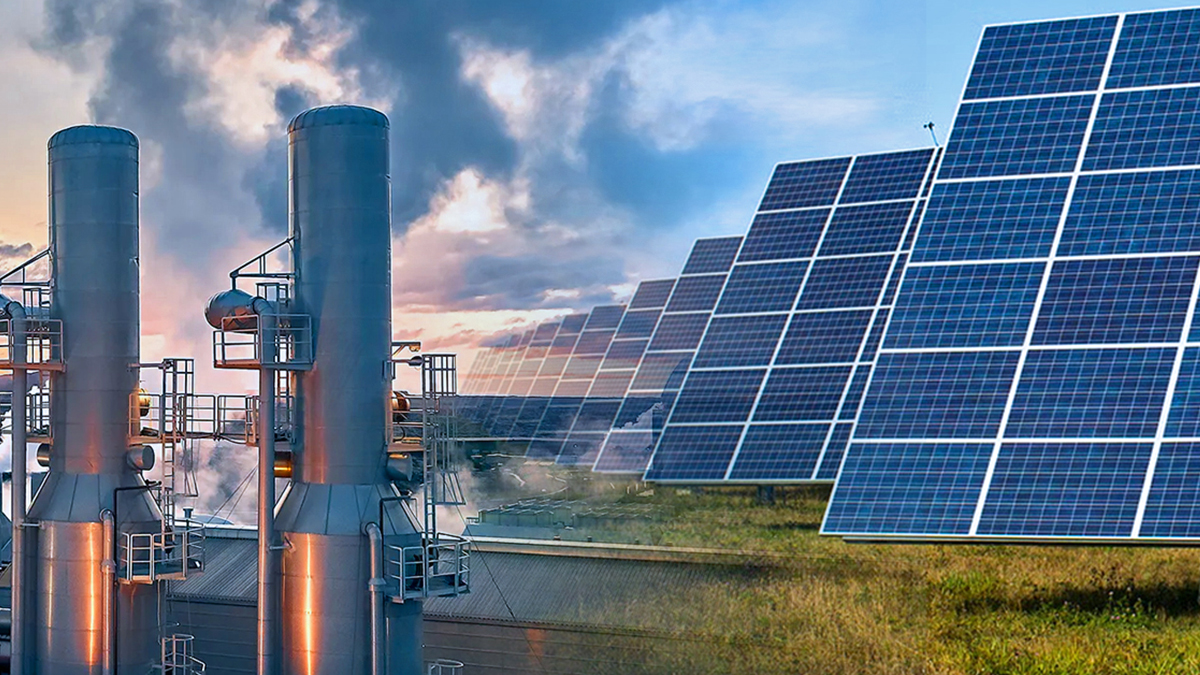
It is becoming increasingly clear that to avoid future disruptions, the country must develop alternative energy sources.
The transport sector’s dependence on diesel and gasoline already has a clear pathway forward in electrification. By reducing reliance on fossil fuels, electrification redirects fuel use toward more critical sectors, such as logistics.
One of the most immediate opportunities lies in mass transit. The country’s transport system relies heavily on vehicles powered by internal combustion engines, including jeepneys, buses, tricycles, taxis, and transport network vehicles. Transitioning these to electric platforms would significantly reduce fuel demand. In the same way, the gradual shift of private vehicles to electric alternatives can help lower overall consumption.
Electrification and the Grid
One of the most common concerns surrounding electrification is that increased demand could overload the country’s power grid. Seasonal yellow and red alert warnings, particularly during peak months, reinforce this perception.
The reality, however, is more complex.
These alerts typically indicate that the electricity supply is running low, often due to outages in power plants rather than a fundamental limitation of the grid itself. While this remains a valid concern, steps are being taken to improve grid flexibility.
The government, through the Department of Energy, has begun developing frameworks to better manage energy resources and more efficiently integrate multiple power sources. This includes identifying which sources can be tapped at specific times, such as solar during the day, wind when available, and conventional plants when needed.
At the same time, capacity expansion is underway. In 2025 alone, 956MW of new power generation capacity was added to the grid, with the majority coming from renewable sources.
The Quest for a Sustainable Yet Renewable Grid
One of the most important global shifts is the transition toward renewable energy. Energy systems are moving away from coal and oil toward cleaner sources such as solar, hydro, wind, and biomass.
In the Philippines, the government has set a target to source 35% of the country’s power generation mix from renewable energy. Most upcoming power generation projects are aligned with this goal, with several renewable energy and storage facilities scheduled for integration into the grid.
While many new plants are solar, hydro, wind, and biomass are also part of the pipeline.
Geothermal energy remains a key part of the country’s energy mix. The Philippines ranks among the top producers globally, generating approximately 1,900MW and supplying around 12% to 14% of electricity demand. However, expansion is constrained by high upfront costs, exploration risks, complex development requirements, and limited incentives.
Can Nuclear Make a Comeback?
Another potential energy source under consideration is nuclear power.
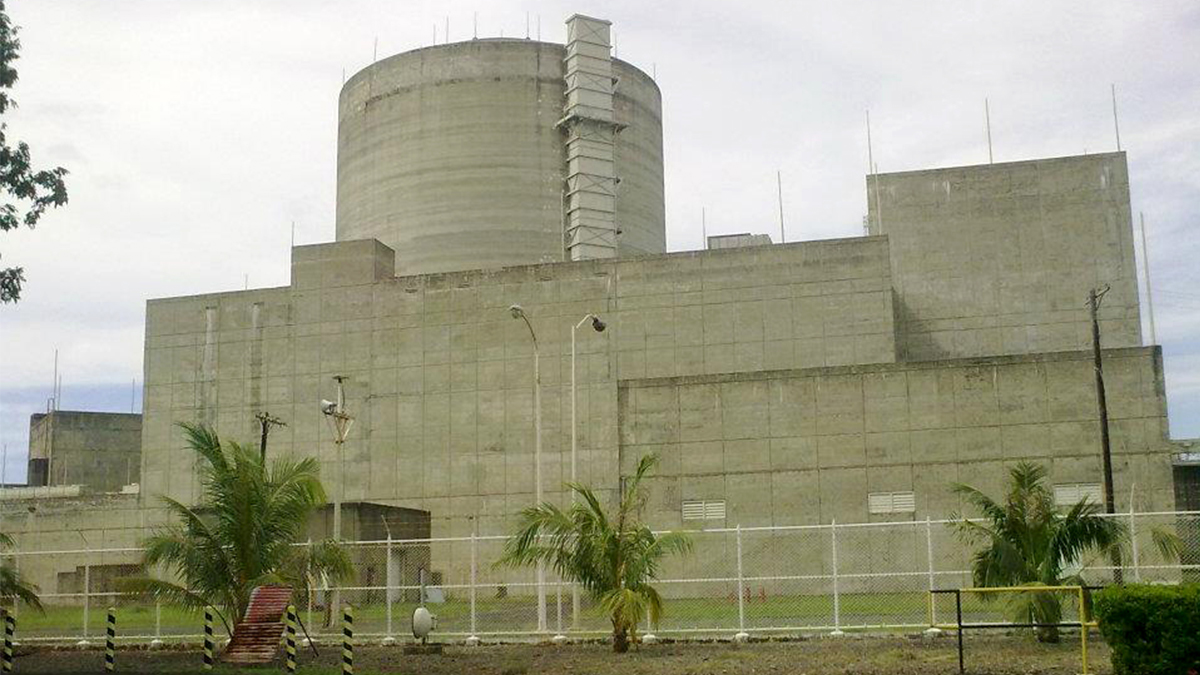
The Philippines was once poised to adopt nuclear energy through the Bataan Nuclear Power Plant in the 1980s. However, global safety concerns at the time, along with issues related to governance and infrastructure, led to the project being halted.
Today, there is renewed interest in nuclear energy. New developments include smaller-scale technologies such as microreactors, which are designed to produce tens of megawatts of power while requiring less space compared to traditional nuclear plants.
Their smaller size makes them potentially suitable for the Philippines’ archipelagic geography.
The government is studying this option. The Philippine National Nuclear Energy Safety Act established the Philippine Atomic Energy Regulatory Authority, which will oversee the development of regulations for nuclear power.
However, challenges remain. Microreactors may require more enriched fuel, increasing upfront costs. There are also concerns around waste management, governance, and long-term viability. Globally, some small-scale nuclear projects have faced cost overruns and operational challenges.
A Transition Still in Progress
Regardless of which energy solution is pursued in the near future, one thing is clear: many of the technologies needed for this transition are already viable and continuing to mature.
Doubts and concerns will continue to influence public perception and policy direction. At the same time, the need to act is becoming increasingly urgent.
Energy is not only about power generation. It is about resilience, economic stability, and long-term sustainability.
The decisions made today will shape whether the Philippines remains vulnerable to external shocks or moves toward a more secure and independent energy future.
Words by Gabriel Pe
Also published in GADGETS MAGAZINE Volume 26 Issue No. 9