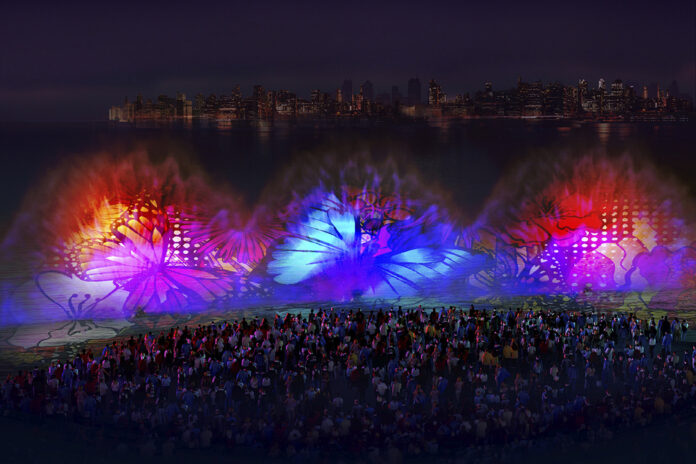

As Heritage Month shines a spotlight on culture, history, and shared identity, museums, galleries, and cultural institutions are exploring new ways to connect audiences with the stories they preserve. While traditional exhibits remain important, visitors today increasingly expect content that is clear, engaging, and easy to understand, particularly in large or high-traffic environments.
Audiences now consume information differently. Rather than spending extended periods reading text panels, many visitors scan, observe, and engage at a glance. This shift has encouraged institutions to adopt visual technologies to present timelines, artworks, historical narratives, and educational content in more accessible ways.
According to Epson, projection technology is playing an increasingly important role in helping cultural organizations bring heritage content to life while making it easier to update and present information at scale.
Built for Scale and Visibility
Visibility remains a critical requirement for museums and large exhibition spaces. Historical photographs, archival materials, maps, and artworks can lose their impact when details become difficult to see from a distance or under challenging lighting conditions.
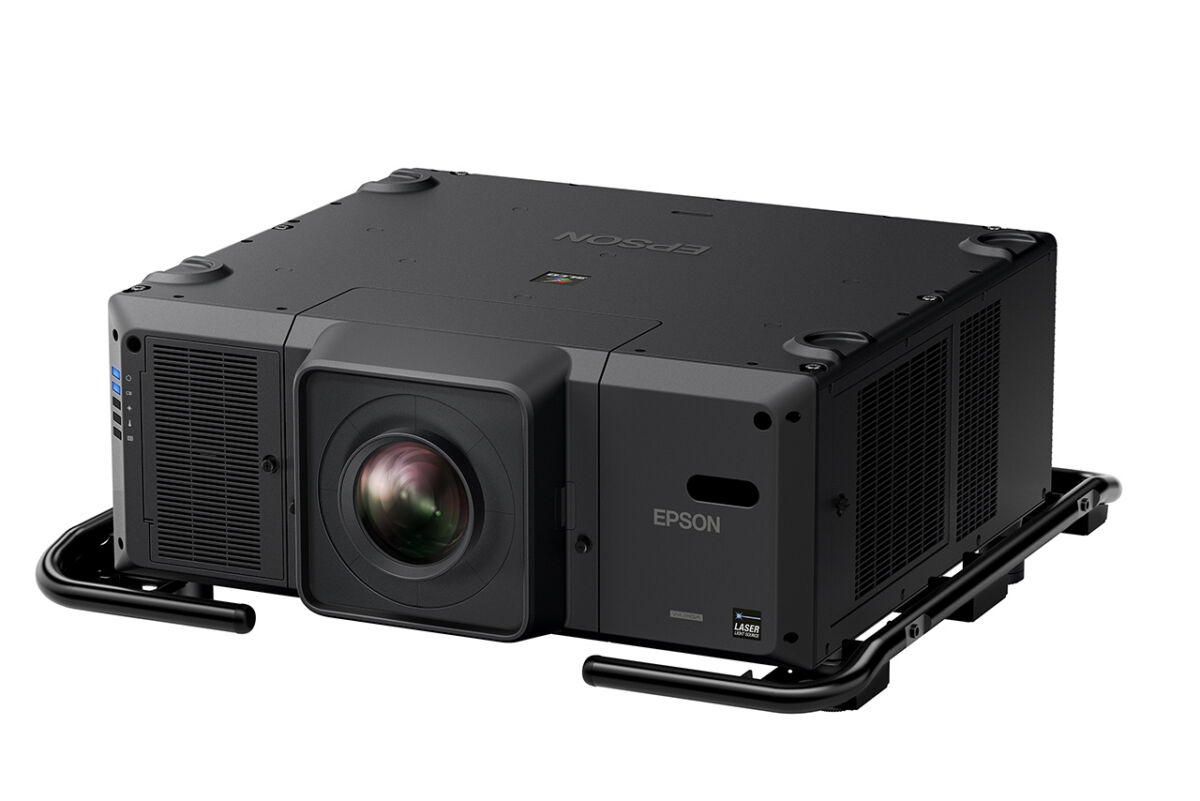
Epson points to solutions such as the EB-L30000UNL, which delivers up to 30,000 lumens of brightness. The projector is designed to help institutions display detailed content clearly across large walls and exhibition spaces, even in environments with ambient lighting and heavy visitor traffic.
Reliability is equally important for permanent installations and long-running exhibitions. Epson says its laser projection technology can provide up to 20,000 hours of operation without maintenance, helping institutions manage operating costs while ensuring displays remain available throughout an exhibit’s run.
Flexible for Different Cultural Spaces
Not all cultural venues have the same requirements. Some operate permanent exhibits, while others regularly rotate installations and educational programs.
Epson’s L-Series projectors are designed to accommodate a variety of environments. Offering up to 8,000 lumens of brightness with 4K enhancement, the projectors can be used in galleries, classrooms, and smaller exhibition spaces where image quality remains a priority.
Features such as short-throw projection allow large images to be displayed in compact spaces, while flexible installation options and wireless connectivity simplify content management and updates.
Designed for Long-Term Use
Beyond image quality and performance, many institutions are evaluating technologies based on long-term operational requirements. Epson says its laser-based projection systems help reduce maintenance demands while delivering consistent performance over extended periods.
The company has also introduced sustainability initiatives across its operations. Epson reports that its global sites now operate using 100% renewable electricity, while projector packaging incorporates more than 80% recycled cardboard. Additional efforts focus on reducing material consumption and improving resource efficiency.
“Through efficient, compact, and precise technologies and engineering that solves real-world issues, Epson has always focused on creating new value for the real world,” said Masako Kusama, president and director of Epson Philippines Corporation. “We continue to build on our legacy by creating solutions that make content clearer and more accessible, while supporting responsible use of resources.”
As cultural institutions continue to evolve, the technologies used to present stories are becoming just as important as the stories themselves. Epson believes clear and reliable projection can help make heritage more visible, accessible, and meaningful for future generations.