

As smartphone upgrade cycles stretch longer, Xiaomi is putting more emphasis on what happens after the first few months of ownership. The new REDMI Note 17 Series is being positioned around long-term reliability through what the company calls Built for Years, a product philosophy focused on battery longevity, durability, software support, and sustained smoothness.
The approach reflects a broader shift in smartphone ownership. Rather than replacing devices every year or two, more users are keeping them longer, making battery health, physical durability, and long-term usability increasingly important alongside performance, imaging, and design.
Built on more than 500 million shipments
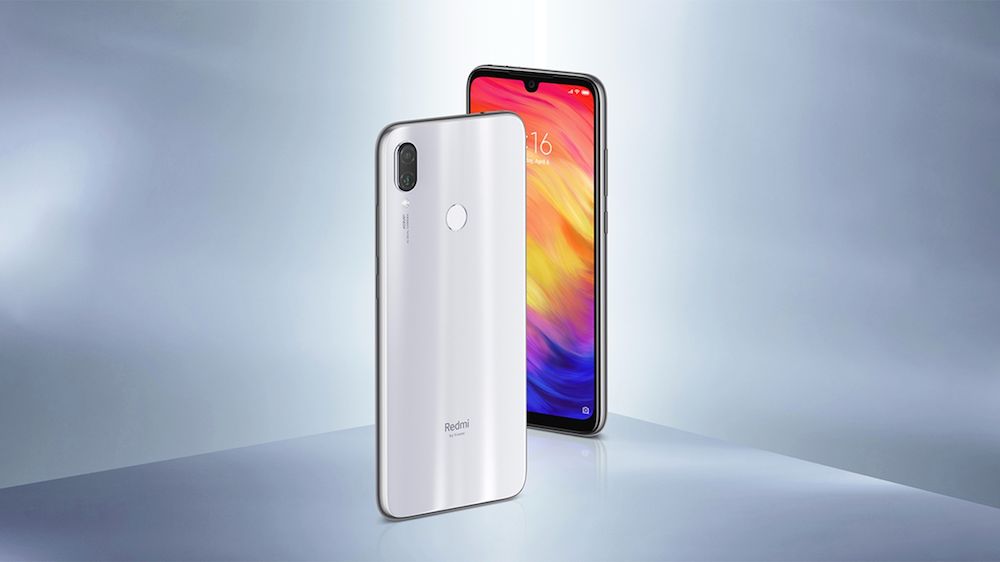
Xiaomi says the REDMI Note Series has shipped more than 500 million units worldwide, with each generation responding to changing user expectations in the mid-tier segment.
Earlier generations focused on fundamentals such as larger displays, metal construction, and bigger batteries. By the Redmi Note 7 Series, Xiaomi had begun placing more emphasis on durability and aftersales support, while the Redmi Note 13 Series brought IP68 water and dust resistance into the lineup.
The company says this evolution has been guided by a consistent principle: make higher-end smartphone experiences more accessible while improving quality over time.
“Everything we do at REDMI is guided by two principles: premium products made accessible, premium quality across every product,” said Anne Wang, REDMI marketing director at Xiaomi International. She added that the REDMI Note 17 Series will take that approach further through REDMI Titan Quality and introduce the first-ever Pro Max model in the series.
A six-year Built for Years commitment

For the REDMI Note 17 Series, Built for Years is defined as a long-term product commitment rather than a single feature. Xiaomi says the series is designed around six years of battery longevity, security patch updates, and sustained smoothness, although the exact coverage will vary by model and market.
That long-term emphasis also fits into Xiaomi’s wider Human × Car × Home ecosystem strategy, where the smartphone acts as a frequent access point to connected devices and services. A phone that remains reliable for longer can therefore help maintain a more consistent experience across that wider ecosystem.
Xiaomi also notes that long-term support is not new to the series. Back in 2019, the Redmi Note 7 became the first Redmi Note model to offer an 18-month warranty, exceeding the 12-month coverage that was more common at the time.
TÜV SÜD-certified durability
The REDMI Note 17 Series takes the durability focus further with TÜV SÜD certifications across three areas: battery performance, drop resistance, and water resistance.
According to Xiaomi, the testing framework is intended to reflect real-world use rather than only controlled laboratory conditions. The result is a durability system that addresses how smartphones are actually used over time, including charging cycles, drops, pressure, temperature changes, water exposure, and everyday handling.
The source frames these certifications as a core part of the Built for Years philosophy, with reliability treated as a combination of battery endurance, physical protection, and sustained performance.
New silicon-carbon battery targets long-term endurance
Battery longevity is one of the central elements of the REDMI Note 17 Series. Xiaomi says the lineup will introduce its largest-ever battery, using silicon-carbon technology to increase capacity while addressing the limits of conventional battery designs.
The new battery system is designed to balance daily endurance, long-term cycle life, safety, and fast-charging capability. It is also engineered to withstand extreme temperatures and mechanical stress, including drops and pressure.
Xiaomi rates the battery for 1,600 charging cycles with more than 80% capacity retention, which the company says is designed to support up to six years of reliable use under demanding daily conditions.
The visual on page 3 of the source material highlights the REDMI Note 17 Series with a 10,000mAh MAX battery message, reinforcing how heavily Xiaomi is centering battery capacity and endurance in this generation.
Built to better handle drops and water
Physical durability is another major part of the new series. Xiaomi says the REDMI Note 17 Series uses 17 custom waterproof components and undergoes 10 airtightness tests across scenarios involving heat, immersion, and spray.
The devices are also certified for 3-meter drop resistance, according to the source. That is intended to reduce the risk of damage from everyday accidents such as drops onto pavement, bumps against hard surfaces, spills, or unexpected rain.
The goal is not to make the devices indestructible, but to improve the odds that they remain usable through the kinds of incidents that occur during years of regular ownership.
Reliability becomes part of the mid-range value equation
Xiaomi is positioning longevity as a more important competitive benchmark in the mid-tier segment, where users often expect a phone to handle everyday tasks reliably for several years.
That shifts the value equation beyond headline specifications. A phone that maintains battery health, survives more physical stress, continues receiving security patches, and stays smooth over time can offer a more consistent ownership experience than one that performs well initially but degrades more quickly.
The REDMI Note 17 Series is designed around that idea, combining long-lasting battery performance, reinforced durability, and long-term support in a device intended to remain dependable well beyond the first year of use.
In Summary
The REDMI Note 17 Series is being positioned around Xiaomi’s Built for Years philosophy, with a six-year commitment covering battery longevity, security patch updates, and sustained smoothness, subject to model and market variations.
The series also carries TÜV SÜD certifications for battery performance, drop resistance, and water resistance. Xiaomi says the new silicon-carbon battery is rated for 1,600 charging cycles with more than 80% capacity retention, while the devices are certified for 3-meter drop resistance and use 17 waterproof components supported by 10 airtightness tests.