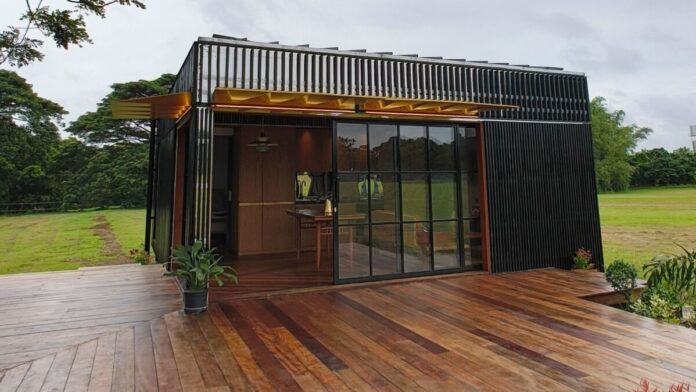

As the Philippine real estate market continues its trajectory toward an estimated USD27.11 billion valuation by 2031, prefab construction company Hive Modular is spearheading a shift in the industrial landscape, positioning the country not just as a consumer of modern housing but as a future export hub for modular technology.
The prefab construction sector in the Philippines is currently experiencing a compound annual growth rate (CAGR) of 11.07%, driven by a critical housing shortfall of 6.94 million units and rising demand for disaster-resilient, ready-made housing solutions. Hive is addressing these gaps by integrating modern Building Information Modeling (BIM) and sustainable manufacturing into the local construction framework.
Economic Contribution and Job Quality
While the traditional construction industry saw a significant employment decline of approximately 550,000 workers between late 2024 and 2025, Hive is focused on reversing this trend by providing high-quality, stable employment.
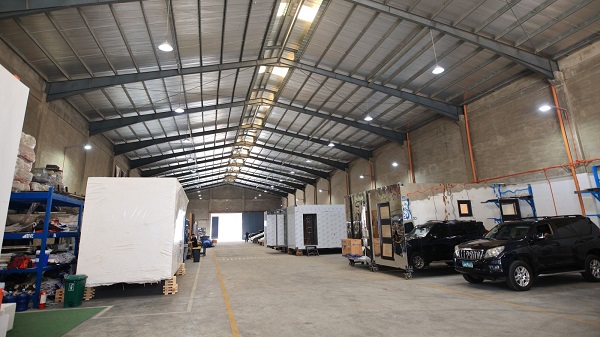
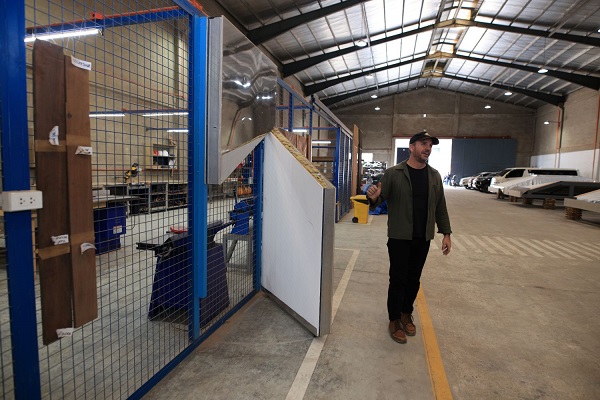
By moving construction from traditional, labor-intensive sites to a controlled manufacturing environment—in this case, their factory in Silang, Cavite—the company is upskilling local talent, from laborers to industry professionals, into high-skilled manufacturing roles.
“Our vision at Hive is built around purpose,” said John Avrett, Hive co-founder and CEO. “The Hive method isn’t just building faster—it’s also about giving people back their time and making the entire construction process simple and seamless.”
“A lot of our clients are balikbayans who want to build back home, but managing a project from overseas just isn’t practical. We take care of everything, step by step,” he added.
With the global prefabricated and modular housing market projected to reach $203.49 billion by 2030, Hive also sees a strategic opportunity for the Philippines to serve the Asia Pacific region and beyond. The company’s innovative approach combines prefab efficiency with custom designs, making high-quality spaces accessible even in remote locations.
The company plans to significantly expand its production team this year to meet both domestic demand and its long-term goal of international exports. By utilizing Building Information Modeling techniques and eco-friendly materials, Hive Modular aims to elevate the “Made in the Philippines” brand within the global green building sector.
Transforming the Property Landscape
The rise of modular construction comes at a pivotal time for the Philippine economy. With a USD44.5 billion public-private partnership pipeline and a labor force participation rate of 65.7%, the demand for quality infrastructure and housing has never been higher. Meanwhile, as the Philippines’ economy faces headwinds from global uncertainty, Hive is doubling down on its bet that the future will depend on “traditional” and infrastructure-heavy industries such as manufacturing and construction.
“We see the prefabricated construction industry as a strong hedge against looming disruptions from AI and other sources to the Philippines’ service sector,” Avrett said.
“I am confident that the Philippines is poised to be a global leader in this industry, and we’re excited to be among the first wave to usher in these new future-oriented jobs.”
On top of that, Hive Modular’s entry into the mainstream property conversation comes at a time when speed and sustainability are becoming non-negotiable for developers and buyers alike.
Hive’s “ready-made” product model simplifies what is traditionally a complex construction, offering a functional and sustainable foundation for forward-thinking homeowners and business owners alike.
As the industry evolves, Hive remains committed to leading the transition toward smart, efficient, and resilient development, ensuring that the Philippine property market remains bullish and globally competitive.
Learn more about Hive by visiting http://www.hive-modular.com.