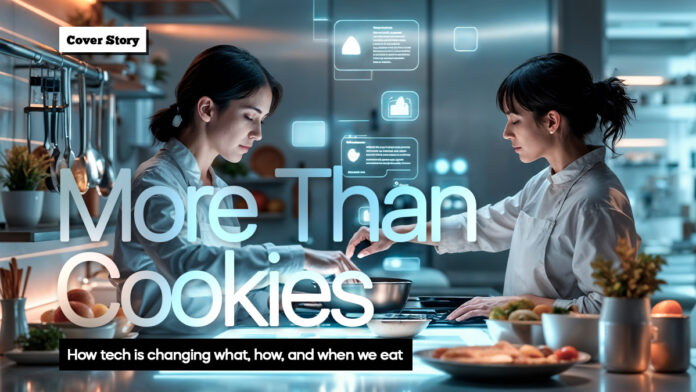

Technology has reshaped nearly every part of our daily lives, from the way we communicate to how we move from place to place. Now, it is quietly transforming something even more personal: the way we eat.
From AI powered nutrition tracking to smart appliances that anticipate what’s inside your fridge, today’s kitchen is becoming a connected ecosystem. What used to rely on instinct and habit is now guided by data, automation, and precision, changing not just how we cook, but how we think about food itself.
Over the last few years, tech has changed multiple facets of our lives. Communication has become faster, computers have become more complex, and even cars and transportation have evolved thanks to advancements in tech and now AI.
One of the most unique places tech is changing our lives is in the kitchen. Advancements in AI, IoT, and communication technologies have given rise to a new breed of smart kitchens that offer more convenient ways to eat.
Mastering what we eat
One of the ways the smart kitchen is changing the way we eat is through nutrition intake. In particular, new smart kitchen scales allow us to master, in minute detail, what we’re preparing. This helps us track what we are cooking and ensure that we are giving our family the best nutrition possible.
Smart scales remove the guesswork in meal planning, giving you full control over what you want and need. They also allow for more personalized meals that cater to your specific dietary needs.
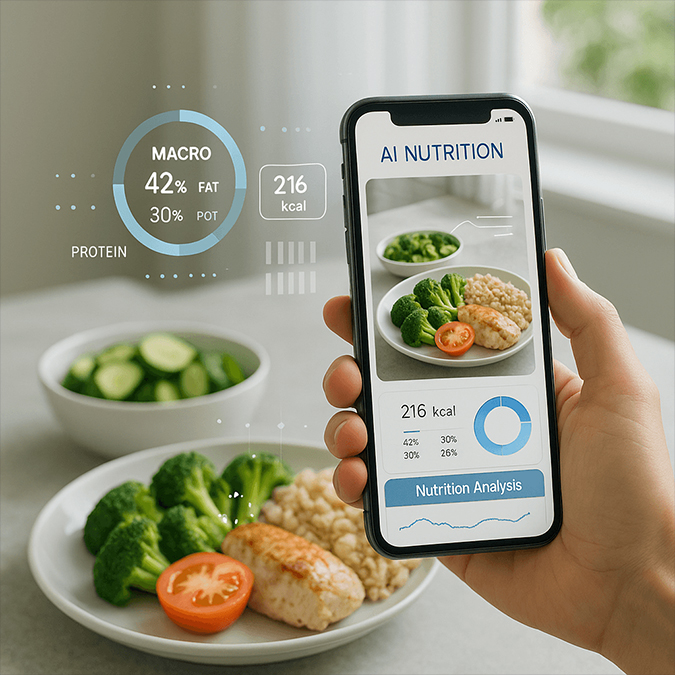
Aside from smart scales, the advent of AI has also changed the game in personalized nutrition. AI-based nutrition apps allow you to track what you’ve consumed throughout the day. They determine calorie intake and other nutritional information based on what you’ve eaten; some apps can even break down a meal’s nutritional value from a photo. This level of control and precision is a useful tool for personalizing your meals or simply understanding your eating habits.
Changing our relationship with food
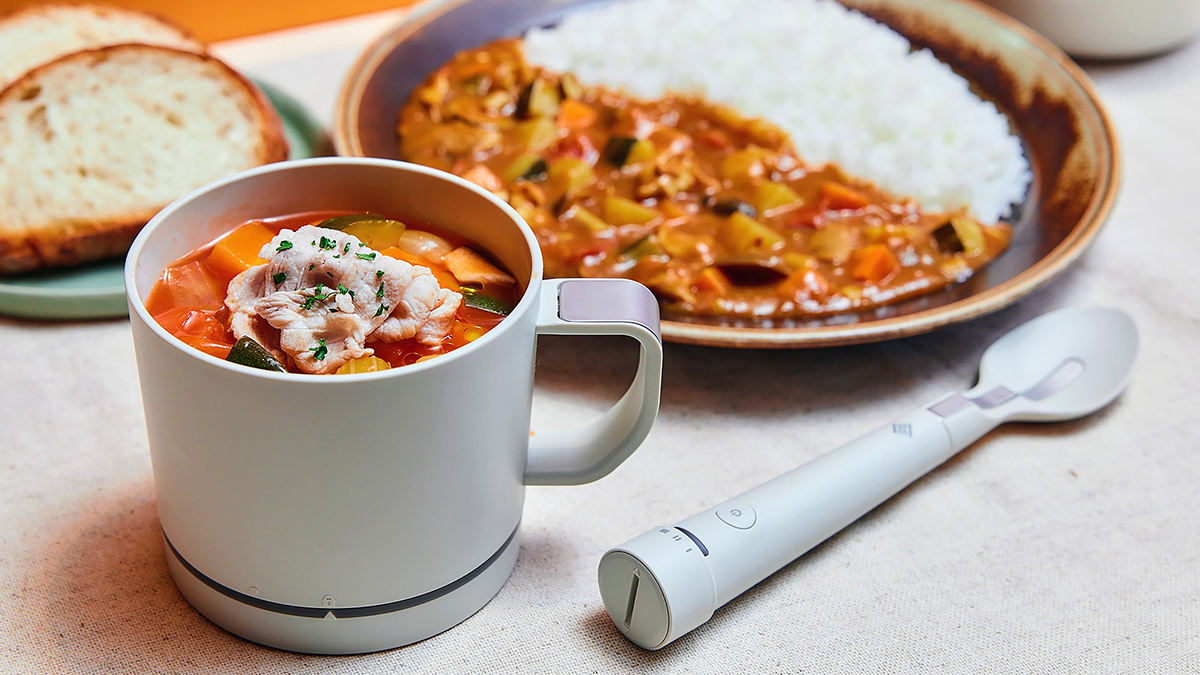
A few years ago, Japanese brand Kirin (known for its beers) created a smart “salt spoon.” This device simulates saltiness on your food by sending small electrical signals to your tongue. These signals affect your palate and can make food taste up to 1.5x saltier without adding sodium, helping keep meals both healthy and satisfying.
Another kitchen appliance that has changed our relationship with food is the air fryer. Air fryers entered the scene in the early 2010s, with appliance giant Philips showcasing the first model at IFA Berlin in 2010. Since then, the technology has found a place in many modern, health-conscious homes. Air fryers use a fan and a heating element to simulate deep-frying without oil, offering a more guilt-free way to enjoy fried dishes.
Sometimes, our relationship with food leads to new technology. In the case of sous vide cooking, the technique came first before the appliance. Sous vide is a method of cooking food at low temperatures in water. Food is placed inside a vacuum-sealed bag, and a machine heats and circulates the water. This technique helps maintain texture while preserving more flavor compared to other methods. Its success eventually led to the development of appliances designed specifically for sous vide cooking.
Changing when we prepare food
New technology has also changed how we approach food preparation. From smart appliances that make cooking more convenient to products that help us prioritize which foods to use first.
Smart refrigerators have changed the way we manage and consume food. Like many smart appliances, they can connect to the internet and be controlled through an app. Users can adjust temperatures for each compartment, and some models include cameras and sensors that monitor contents and identify items that may go bad soon. These features can notify users to use certain products first, helping reduce food waste.
Other smart appliances use the same connectivity and app support to make daily routines more convenient. Smart ovens, for example, allow you to preheat even when you’re outside your home, while also letting you control temperature and timers remotely. Smart air fryers offer similar features, including notifications when your meal is done. Some appliances also provide built-in recipes that you can follow through their companion apps.
Technology has clearly changed how we interact with food—whether in understanding what we eat, how we prepare it, or when we cook it. As technology continues to evolve, we will likely see even more ways it can shape how we eat. At the same time, it remains up to us, together with proper guidance, to make choices that support our overall health.
Words by Gabriel Pe
Also published in GADGETS MAGAZINE Volume 26 Issue No. 8