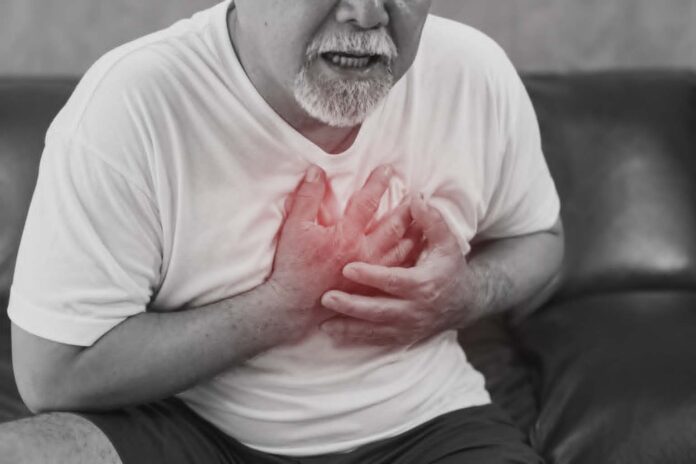

Medical emergencies remain among the highest-priority incidents handled by the country’s Unified 911 Emergency Hotline, with authorities reminding Filipinos to immediately seek assistance during life-threatening situations such as severe chest pains, breathing difficulties, strokes, uncontrolled bleeding, and major accidents.
According to Unified 911, traffic and vehicular accidents remain the most common reasons for emergency calls to the national hotline, followed by requests for police assistance, reports of crimes and violent incidents, medical emergencies, and fire incidents.
Emergency responders emphasized that medical crises often require the fastest response times because conditions such as cardiac arrest, severe bleeding, stroke, or head trauma can quickly become fatal without immediate intervention.
Recognizing medical emergencies early
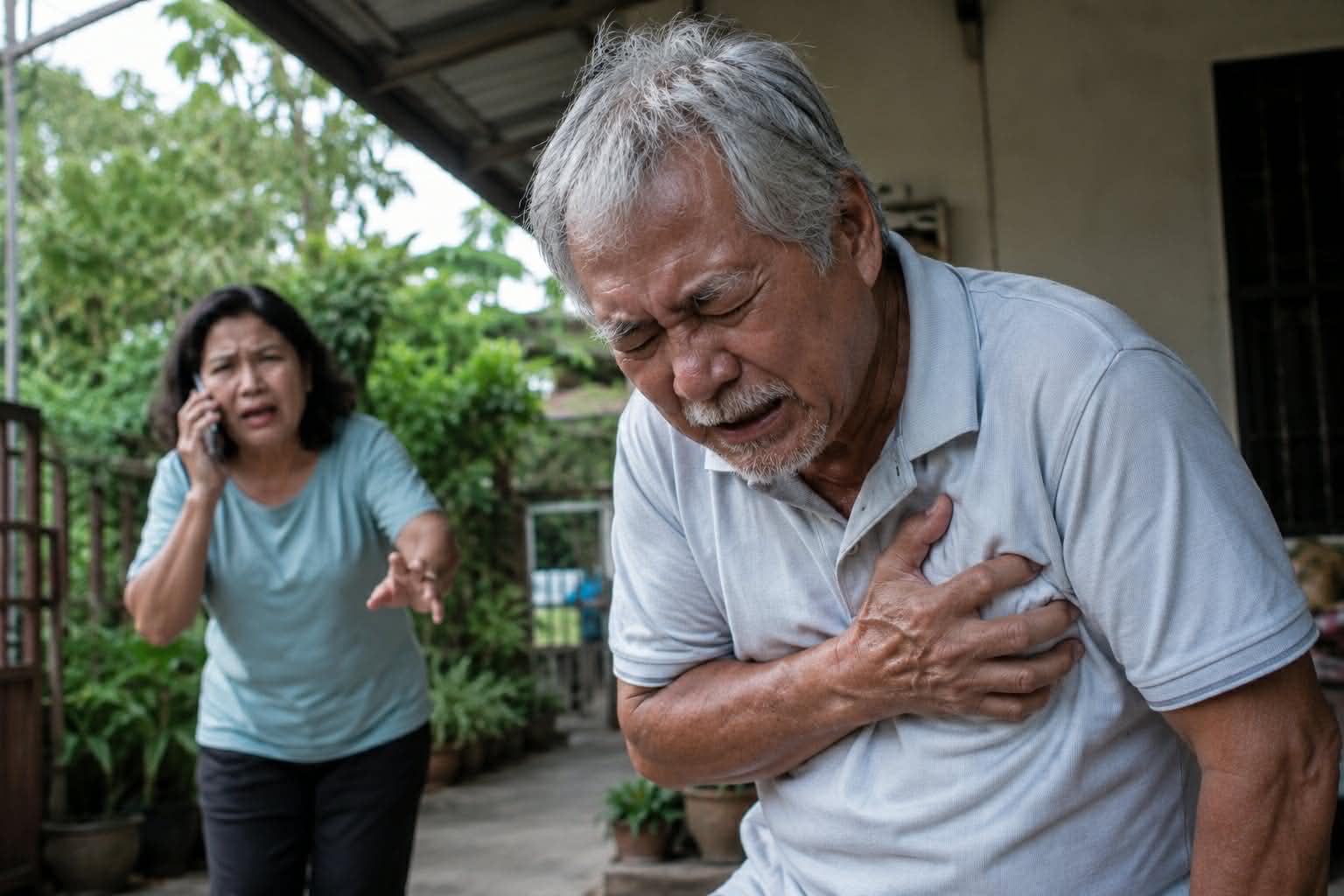
Unified 911 said the hotline should be contacted immediately when individuals experience symptoms, including chest pain, severe difficulty breathing, uncontrolled bleeding, poisoning, drug overdose, complex seizures, or stroke indicators such as dizziness, slurred speech, and numbness.
The agency also reminded senior citizens and caregivers to become more familiar with emergency hotline procedures, especially for elderly individuals living alone or without immediate companions.
The Unified 911 Emergency Hotline is a free, 24/7, nationwide emergency service that connects callers to medical, police, fire, and disaster response teams across the Philippines.
Real-world emergency response cases
Unified 911 cited several recent emergency response cases demonstrating the importance of rapid coordination between the hotline and local rescue teams.
In Bataan, responders from the Abucay Rescue team assisted a 70-year-old woman suffering from a head concussion and ensured she was transported quickly to the nearest hospital after a 911 call was placed.
Meanwhile, responders in Sultan Kudarat assisted victims involved in a vehicular accident after a mixer truck struck a residential area.
Authorities said the faster communication enabled by the centralized emergency system improves response efficiency and can save more lives in critical situations.
When not to call 911
Unified 911 also reminded the public that not all medical concerns qualify as emergencies.
The hotline should not be used for routine concerns such as common colds, low-grade fever, flu symptoms, prescription refills, or minor cuts and sprains.
While waiting for emergency responders, callers are advised to remain calm, unlock doors or notify neighbors if assistance may be needed, and avoid attempting to drive themselves to the hospital during serious medical episodes.
“The important thing is to keep calm. The world-class unified 911 system now providing quicker emergency response, will find the exact location of the emergency call due to its state-of-the-art geolocation capabilities,” said Robert Llaguno, country head of NGA 911 Philippines.
Llaguno added that the platform’s support for voice, text, video, and live-streaming submissions helps improve situational awareness for emergency responders before they arrive on-site.
Technology supporting faster emergency response
Unified 911 is powered by NGA’s next-generation emergency response technologies alongside PLDT’s communications infrastructure.
It uses geolocation capabilities and multimedia communications tools to improve coordination between callers, dispatch centers, and emergency response teams. Continuous upgrades to the system aim to strengthen emergency preparedness and improve response outcomes across the country.
More information about the Unified 911 Emergency Hotline is available on NGA 911 Philippines.