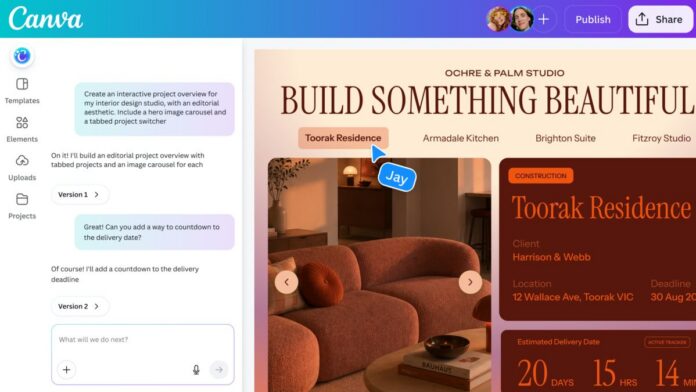

Teaching today extends far beyond delivering lessons. Filipino educators must adapt to evolving curricula, design engaging learning experiences, develop classroom materials, and manage administrative responsibilities while helping students succeed in an increasingly digital world.
As these demands grow, teachers are finding ways to keep pace without compromising the quality of learning. Educators Daniel Timbal, Richard Empimo, Reyna Orlanes, and Vanda Rema are using tools such as Canva Code to create interactive resources without requiring technical expertise.
Canva Code introduces vibe coding, which allows users to turn plain-language prompts into working applications and interactive experiences within Canva. Their experiences show how accessible digital tools can help teachers manage changing requirements, streamline preparation, and develop more engaging lessons.
Adapting to a changing education landscape
After nearly 15 years as an educator, Daniel Timbal has seen how frequently changing curricula require teachers to revise lesson plans, redesign materials, and develop new skills on top of their daily responsibilities.
“I’ve been a teacher for almost 15 years. So I experienced firsthand how much time Filipino educators spend on paperwork, making lesson plans, and in several years, since 2015, our curriculum is constantly changing. So every year we have to learn, we have to acquire skills,” Timbal said.
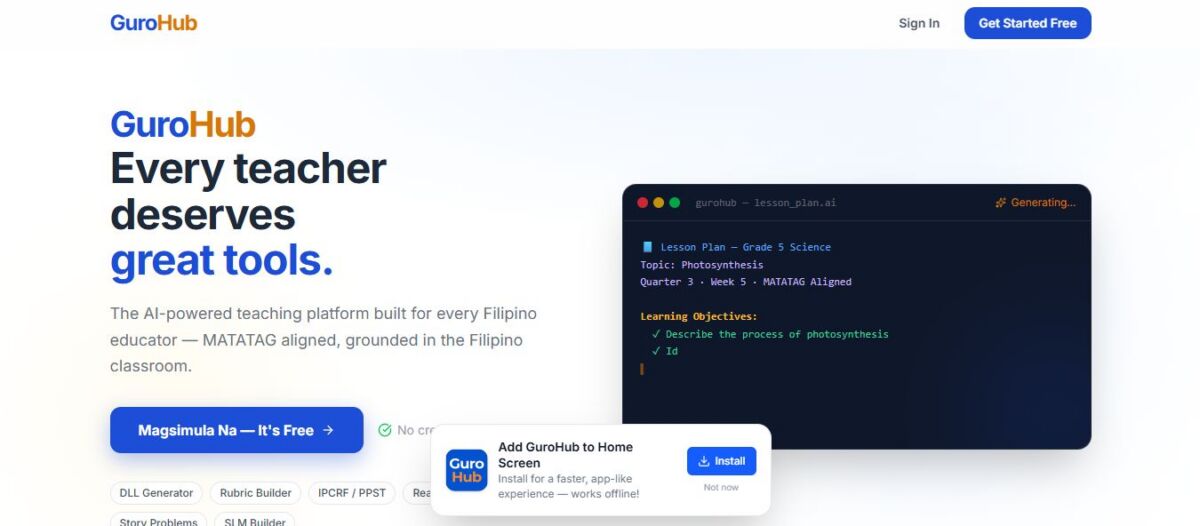
The experience encouraged him to look beyond the needs of his own classroom. Using Canva Code, he built GuroHub, a free AI-powered lesson-planning platform designed around the Philippine curriculum to help educators navigate changing standards more efficiently. Within its first month, GuroHub attracted more than 2,000 users. The early response reflects the demand for tools that can reduce administrative work while helping teachers keep pace with curriculum changes.
Reclaiming time for teaching
Timbal’s experience reflects a challenge shared by many educators. Richard Empimo, a teacher at Cristina Calnantoc Rosario National High School in Davao Occidental, often spends hours preparing classroom materials that must remain aligned with curriculum requirements.
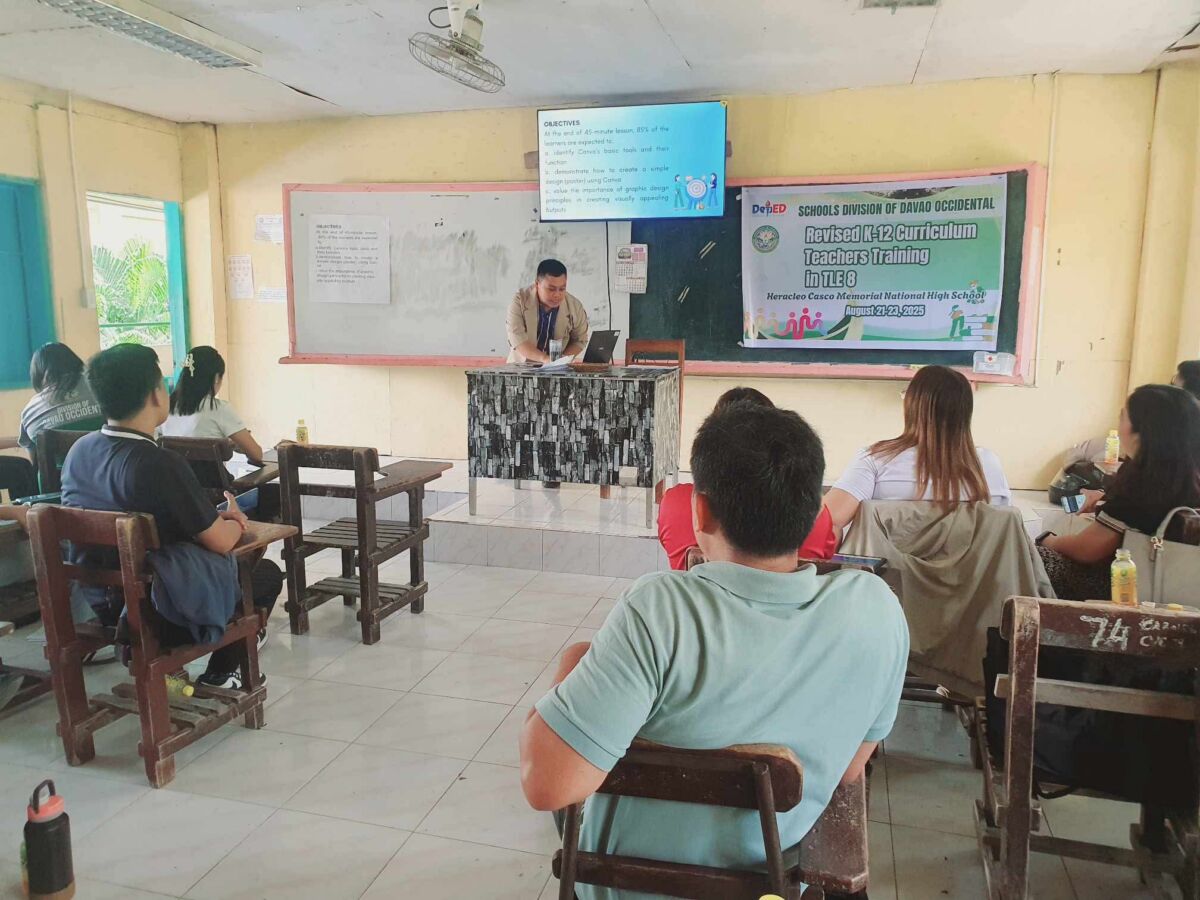
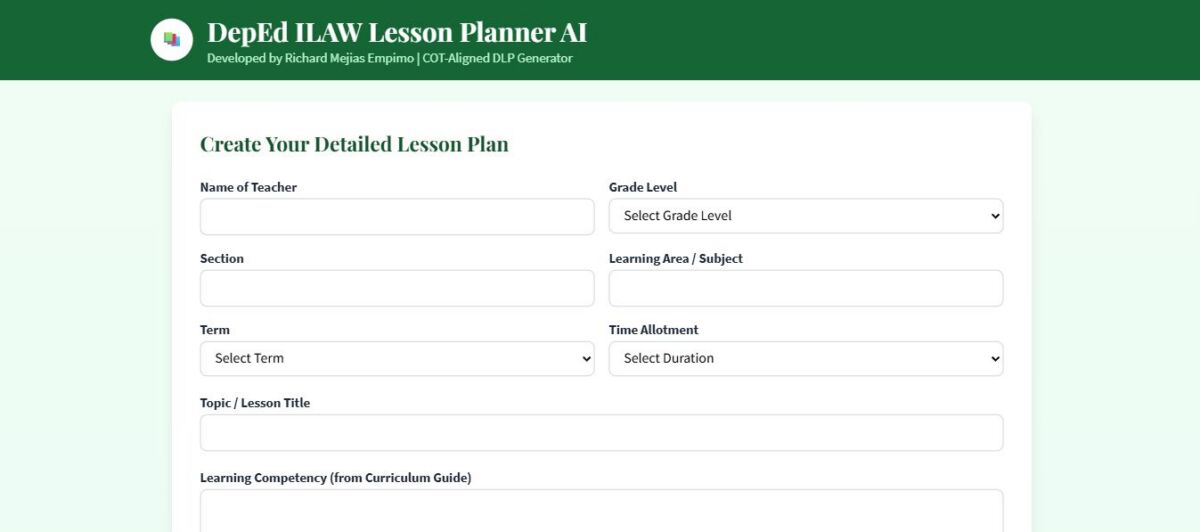
“We know that making lesson plans is very time-consuming. There are times when I’d spend hours just to complete a lesson plan,” Empimo said. By using Canva Code to turn ideas into interactive learning materials more efficiently, Empimo can spend more time refining lessons and focusing on classroom instruction. He also created the DepEd ILAW Lesson Planner website to help teachers streamline their lesson-planning processes.
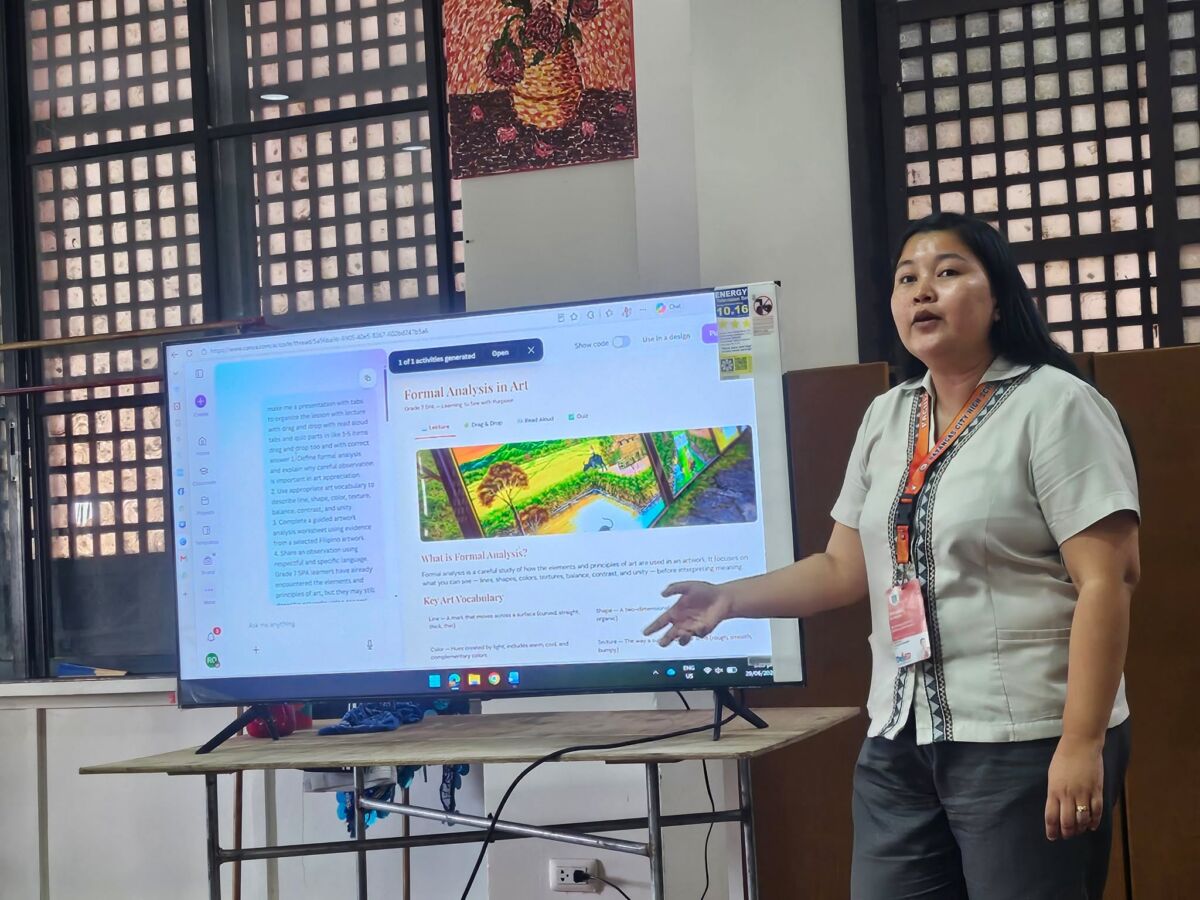
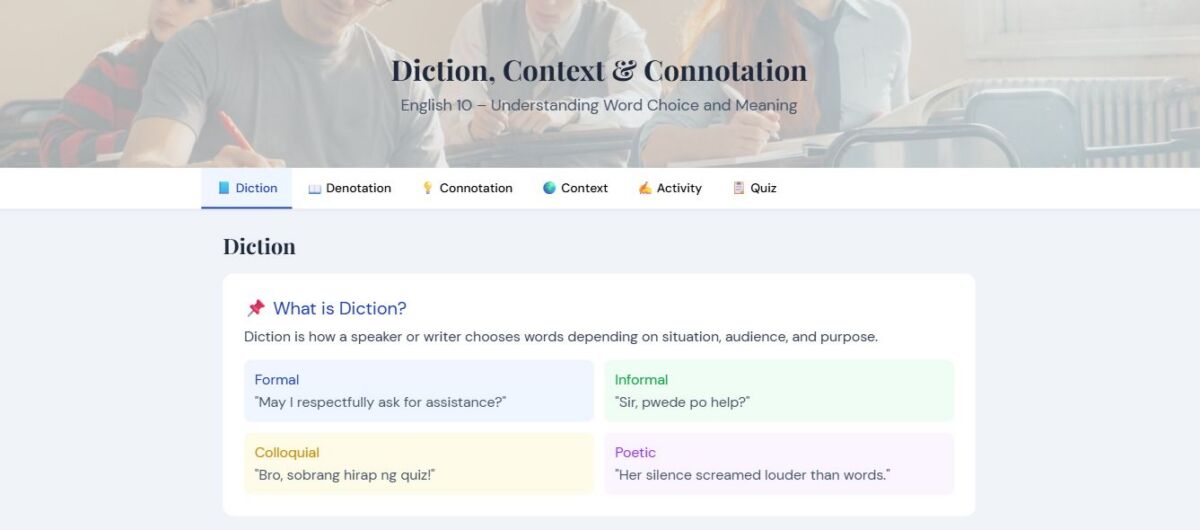
Reyna Orlanes, an English and Media Arts teacher, has experienced similar benefits. After previously relying on several applications for presentations, visuals, and classroom activities, she now uses a single platform to streamline preparation and focus more closely on her students.
“This really makes the work of teachers very easy in the sense that we don’t need any additional subscriptions if we want to work on our lesson plans or if we want to prepare presentations,” Orlanes said.
Although their approaches differ, Empimo and Orlanes have both found that simplifying their workflows allows them to devote more time and energy to their students.
Making lessons more interactive
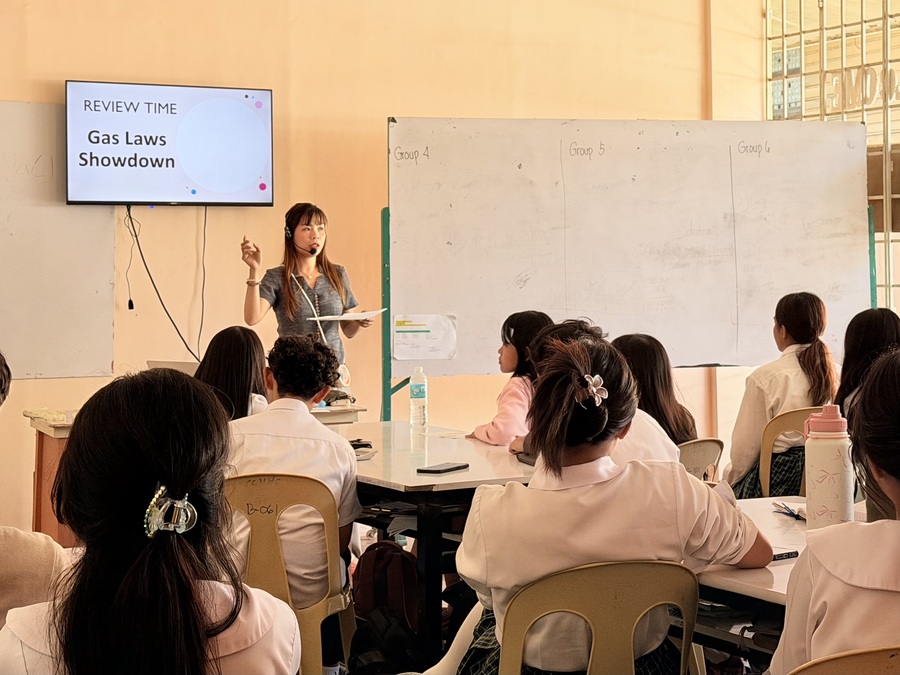

For Vanda Rema, a Science teacher of nearly eight years, the opportunity extends beyond efficiency. As student attention patterns evolve, she has embraced technology to make lessons more interactive, encourage participation, and simplify complex concepts.
“I incorporate technology into my lessons to enhance learning and encourage student participation,” Rema said. “AI has helped a lot because we treat it as a tool to improve teaching. It’s not there to replace teachers because human interaction is still needed.”
Using Canva Code, Rema creates gamified reviews and interactive learning activities that make lessons more engaging. She has observed stronger student participation and improved academic performance, reinforcing her belief that students are more likely to understand, retain, and apply lessons when they are actively involved in the learning process.
Supporting the educators behind the technology
Across these stories, the focus is not simply on the technology but on the educators using it. Timbal, Empimo, Orlanes, and Rema continue to adapt and find new ways to support students despite growing demands on their time.
As education evolves, giving teachers the right tools can provide more time for instruction, greater flexibility to innovate, and more opportunities to create meaningful learning experiences. With stronger support, educators are better equipped to prepare students for the future.