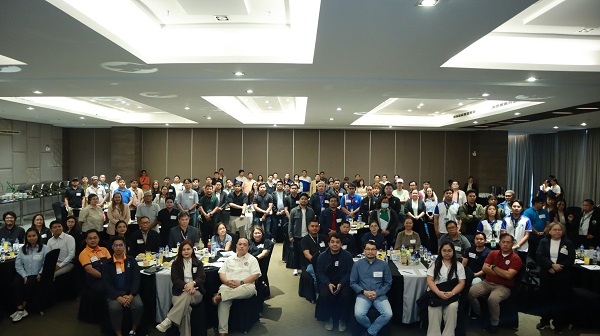

Metro Pacific Tollways South (MPT South), the southern arm of Metro Pacific Tollways Corporation (MPTC), gathered national government agencies, local government units, and community stakeholders in the Flood Mitigation Forum 2026 to strengthen cooperation in addressing recurring flooding challenges affecting Southern Metro Manila and surrounding provinces.
The first forum of its kind organized in the South, it created a platform for data sharing, collaborative planning, and coordinated action among stakeholders responsible for flood management and disaster resilience.
A multi-sector approach to flood mitigation
The flood mitigation forum brought together representatives from the Office of Civil Defense (OCD), Department of Environment and Natural Resources (DENR), Department of the Interior and Local Government (DILG), Department of Public Works and Highways (DPWH), Metropolitan Manila Development Authority (MMDA), and Provincial Environment and Natural Resources Office (PENRO).
Participants from the Toll Regulatory Board (TRB), Philippine Reclamation Authority (PRA), and PEA Tollway Corporation (PEATC) also joined the discussions, contributing perspectives on infrastructure, environmental management, and regional planning.
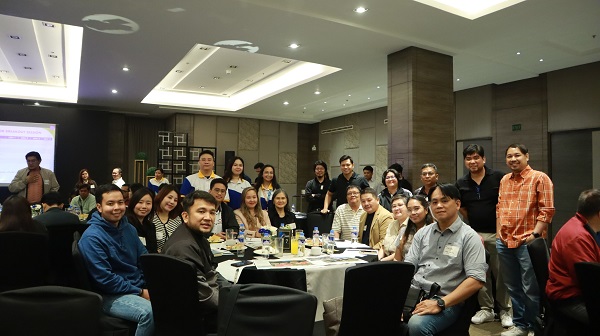
Local governments share on-the-ground insights
Local government representatives from Las Piñas, Parañaque, Pasay, Taguig, Cavite, and Laguna shared their experiences and ongoing initiatives to address flooding within their respective jurisdictions.
Among those present were Cavite Governor Francisco Gabriel ‘Abeng’ Diaz Remulla, Office of Civil Defense Director Jose Harry M. Barber, Biñan City Councilor Titus Bautista, and former Senator Cynthia Villar of the Villar SIPAG Foundation.
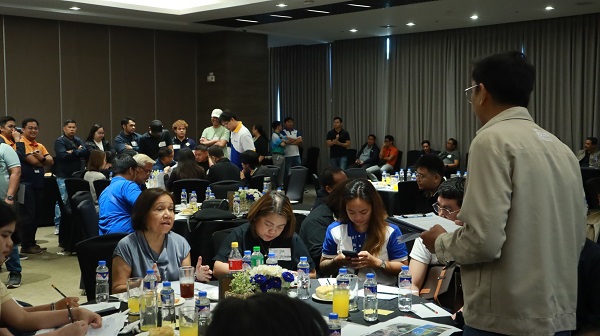
Data-driven planning for flood resilience
To support evidence-based planning, flood risk assessments and mapping data were presented by AMH Philippines. The findings helped identify critical flood-prone areas and provided stakeholders with information that can guide future mitigation strategies.
Discussions also highlighted the impact of improper waste disposal on flooding, particularly in low-lying communities. Participating LGUs outlined ongoing efforts to strengthen solid waste management programs, enforce anti-littering regulations, conduct drainage declogging activities, and monitor critical waterways.
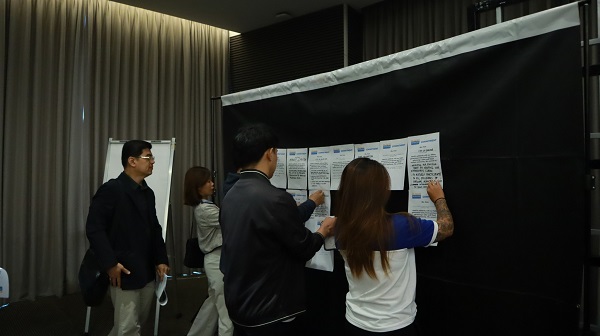
Community participation remains essential
Officials stressed that effective flood mitigation requires both government action and community involvement. According to Office of Civil Defense Director Jose Harry M. Barber, good governance and active participation remain critical components of successful Disaster Risk Reduction and Management (DRRM) implementation.
LGUs also shared how partnerships with barangays, volunteer organizations, and local communities continue to support environmental awareness campaigns, proper waste segregation initiatives, infrastructure planning efforts, and disaster preparedness programs.
Turning collaboration into action
MPT South emphasized that sustained collaboration among stakeholders is necessary to improve resilience ahead of future typhoon seasons.
The forum concluded with commitments to strengthen drainage systems, improve flood control management, enhance disaster preparedness, and reinforce inter-agency coordination across affected areas.
The initiative reflects MPTC’s broader commitment to supporting collaborative solutions that address flooding challenges and improve the resilience of communities located along and around its toll road corridors.