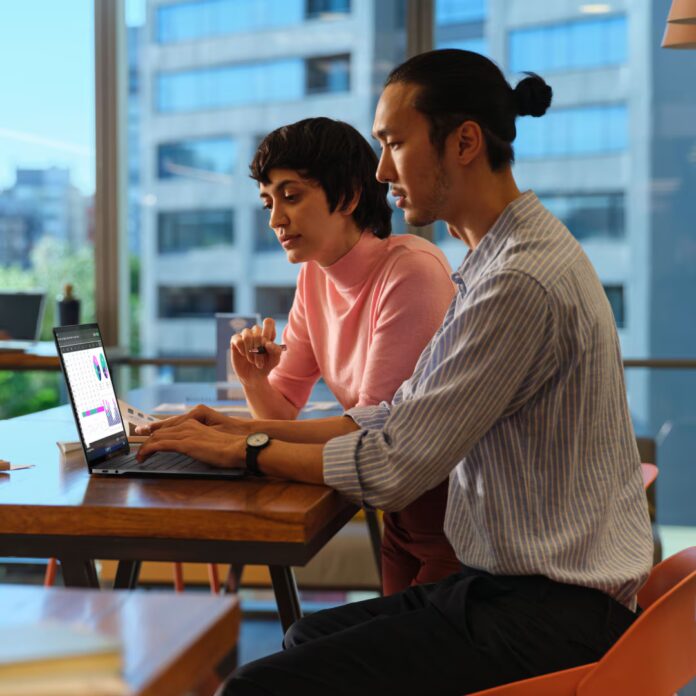
At CES 2026, HP Inc. closed out the show with a clear and cohesive message: the next phase of the future of work is not defined by technology alone, but by how effectively that technology supports professional fulfilment. Rather than framing AI purely as a performance accelerator, HP positioned it as a practical tool for improving how people work, move, and stay productive in increasingly fluid environments.
HP anchored its CES 2026 narrative in research pointing to a growing fulfilment gap among knowledge workers. Only 20 percent globally reported having a healthy relationship with work. HP cited evidence showing that access to the right tools more than doubled that likelihood, and that the effect increased dramatically when workers felt their organizations were investing in them. Against this backdrop, HP’s CES announcements focused on mobility, adaptability, and AI systems designed to reduce friction across the workday.
A Desktop That No Longer Stays Put
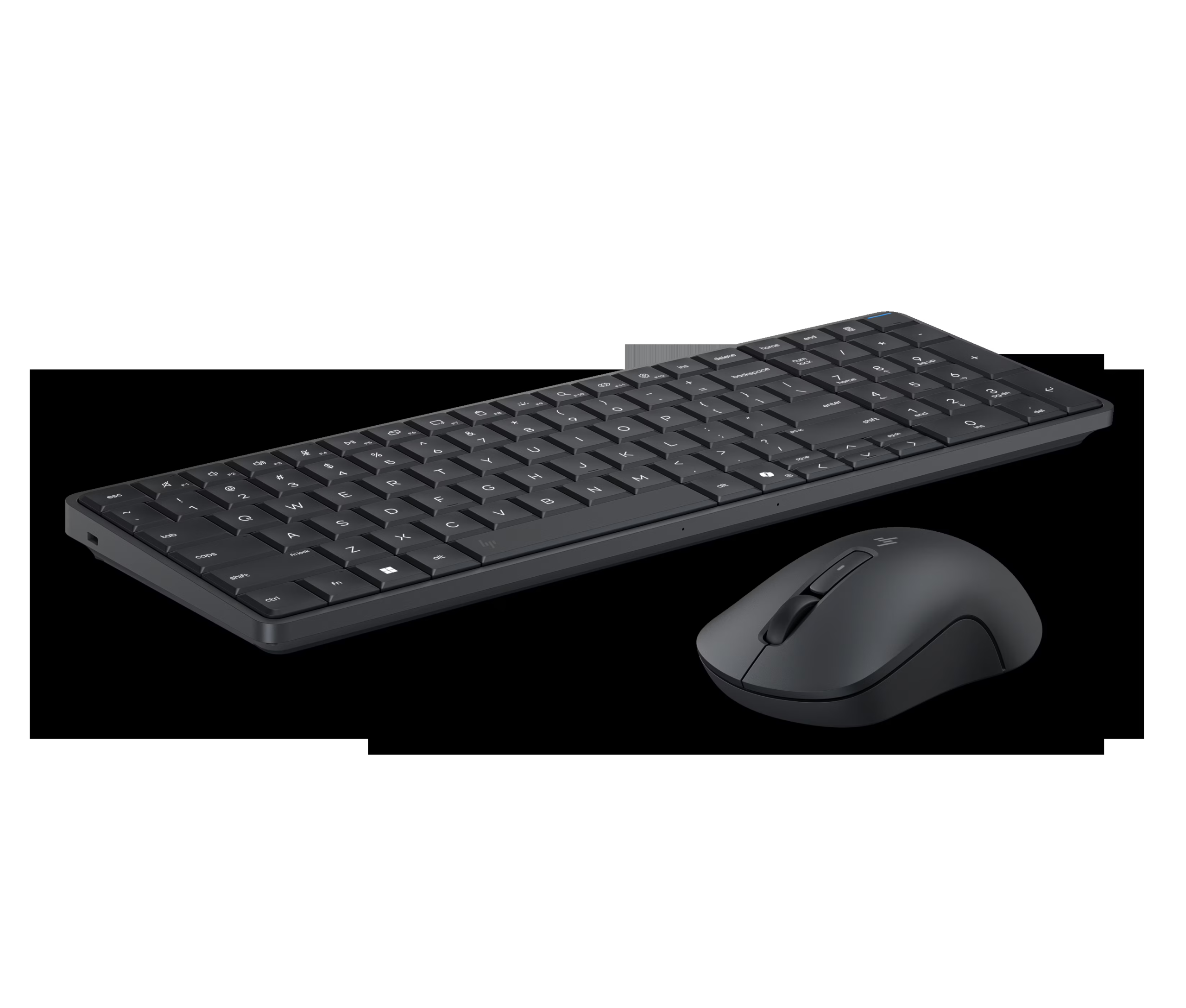
One of HP’s most distinctive launches was the HP EliteBoard G1a, the company’s smallest and lightest AI PC to date and a CES 2026 Innovation Award Honoree. Built directly into a keyboard form factor, the EliteBoard G1a reimagined the traditional desktop for a world where work no longer happens in one fixed location.
Designed for leaders and mobile professionals, the EliteBoard G1a delivered local AI performance that could move easily between offices, meeting rooms, and shared workspaces. The form factor underscored HP’s view that future-ready devices must adapt to hybrid and collaborative environments rather than constrain them.
Advancing the Business-Class AI PC
HP also strengthened its position in enterprise computing with the introduction of the HP EliteBook X G2 Series, another CES 2026 Innovation Award Honoree. These premium business notebooks were among the world’s first commercial systems to offer up to 85 TOPS of NPU performance for concurrent AI workloads, powered by Snapdragon X2 Elite processors.
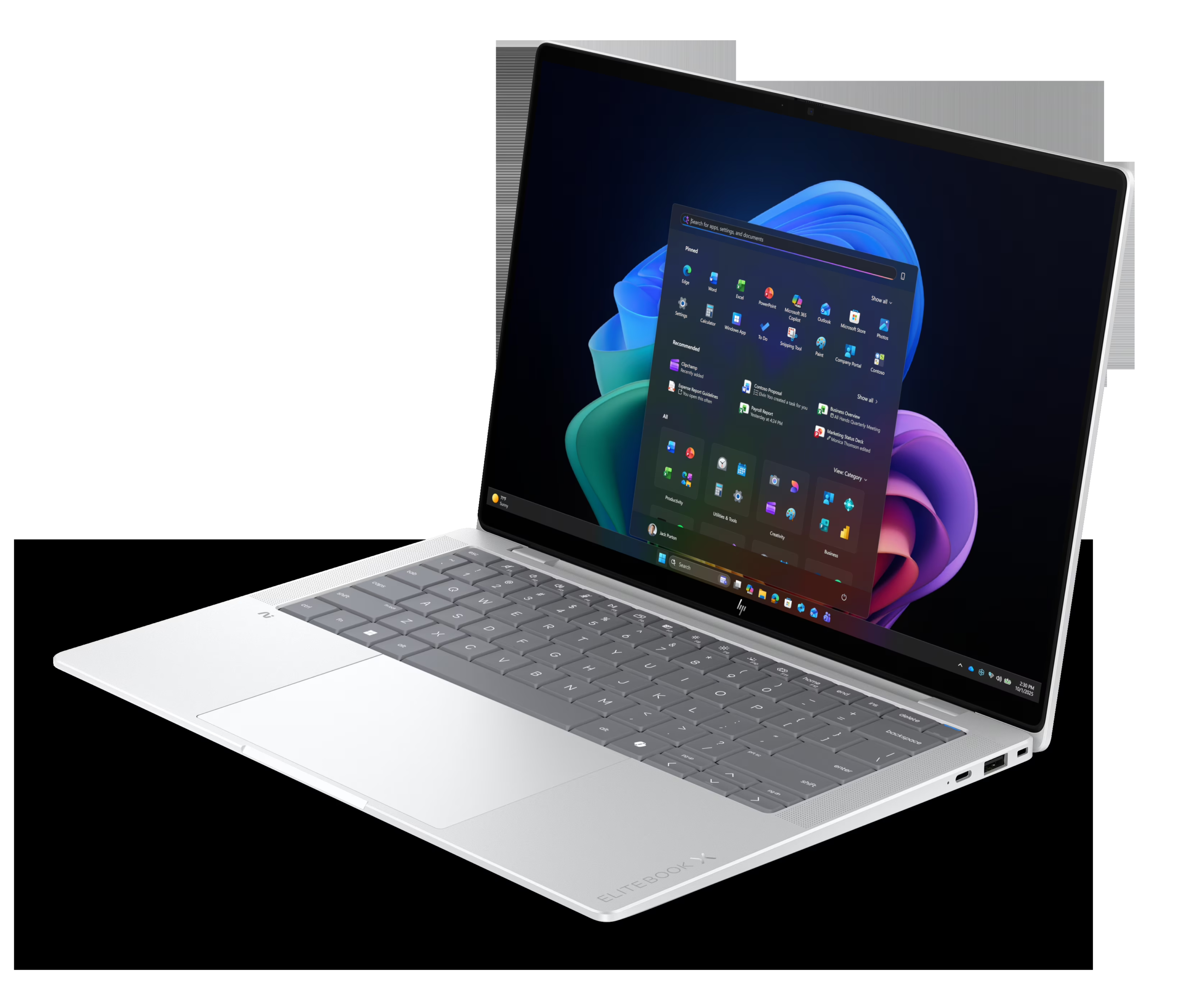
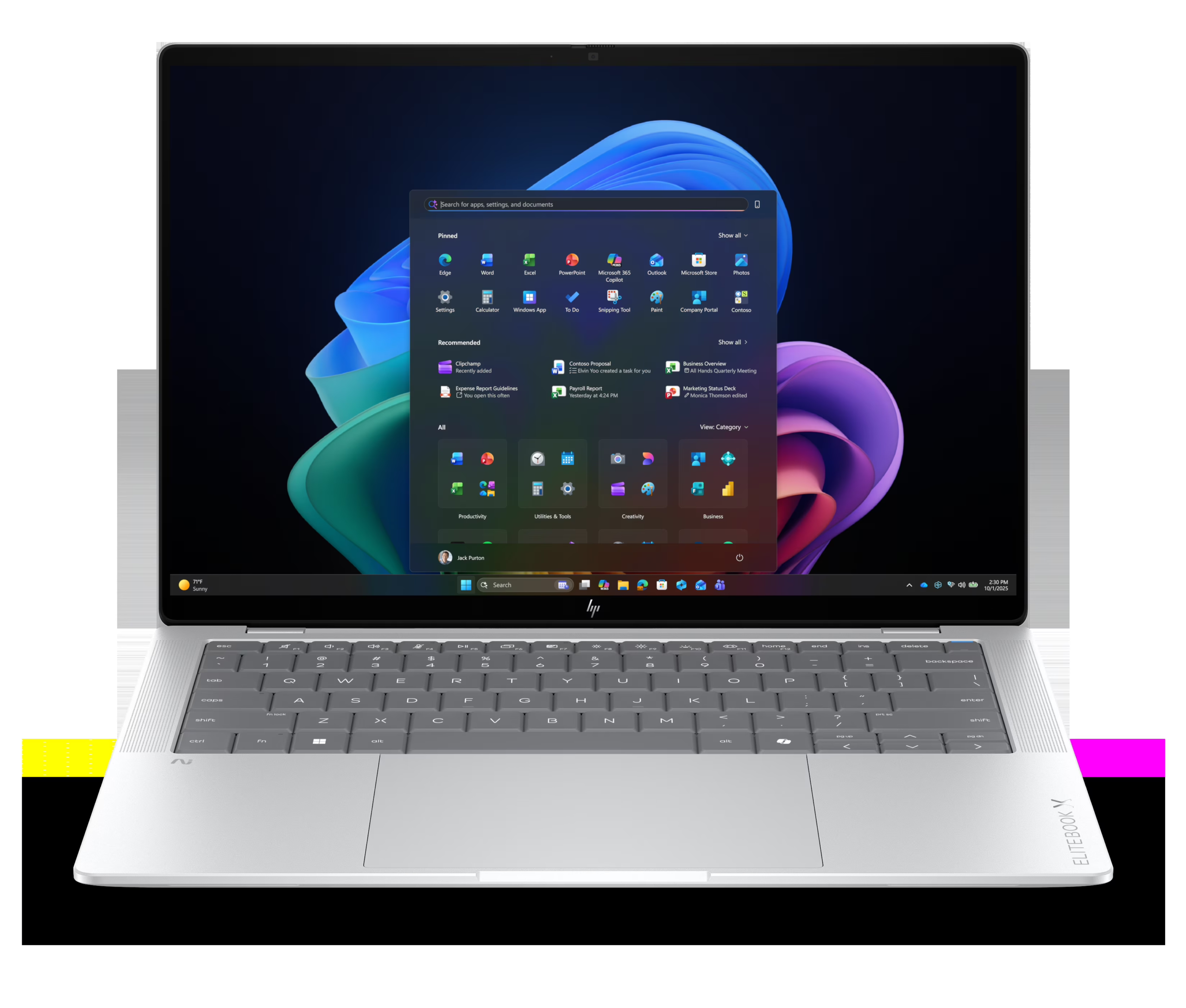
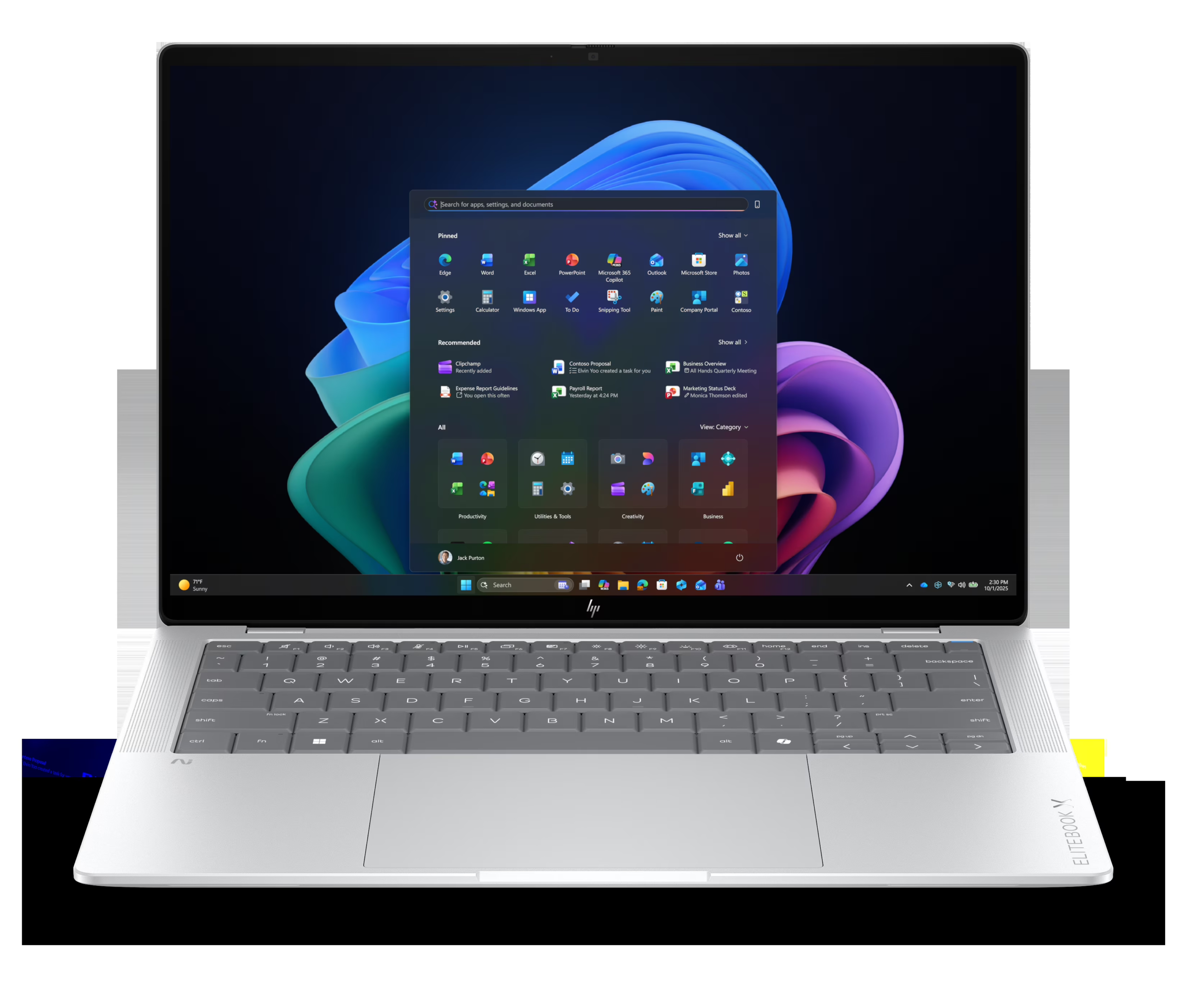
Targeted at executives and professionals shaping the next era of digital work, the EliteBook X G2 Series emphasized sustained local AI performance, security, and reliability. HP framed AI not as a background feature, but as a core capability that enhanced collaboration, analysis, and everyday decision-making.
Consumer AI PCs Focused on Endurance
On the consumer side, HP refreshed its entire OmniBook portfolio at CES 2026, bringing Snapdragon X2 platforms and OLED displays across the range. Highlights included the HP OmniBook Ultra 14 and the new HP OmniBook 3 16, which HP said delivered the world’s longest battery life in a 16-inch OLED consumer AI PC notebook.
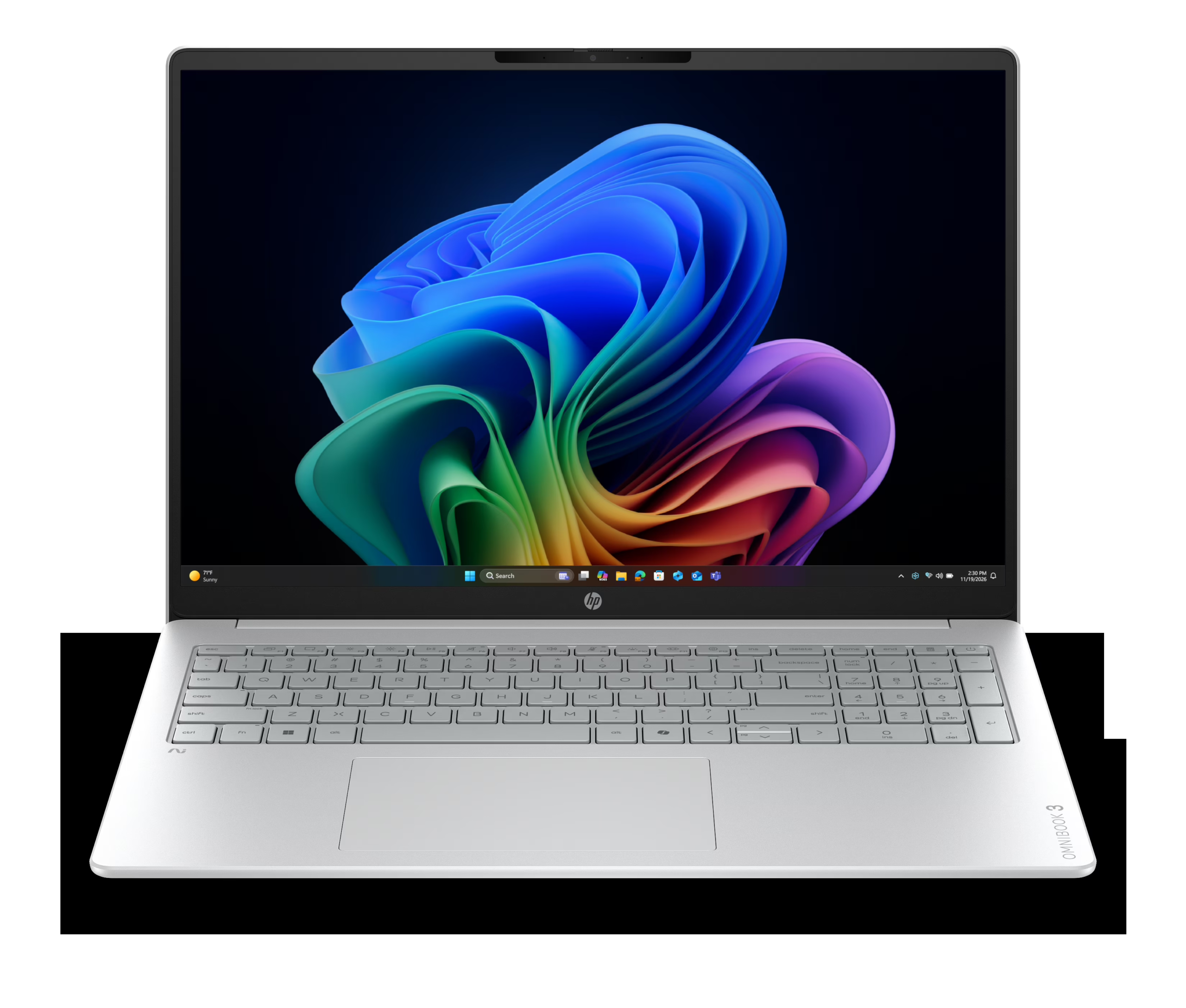
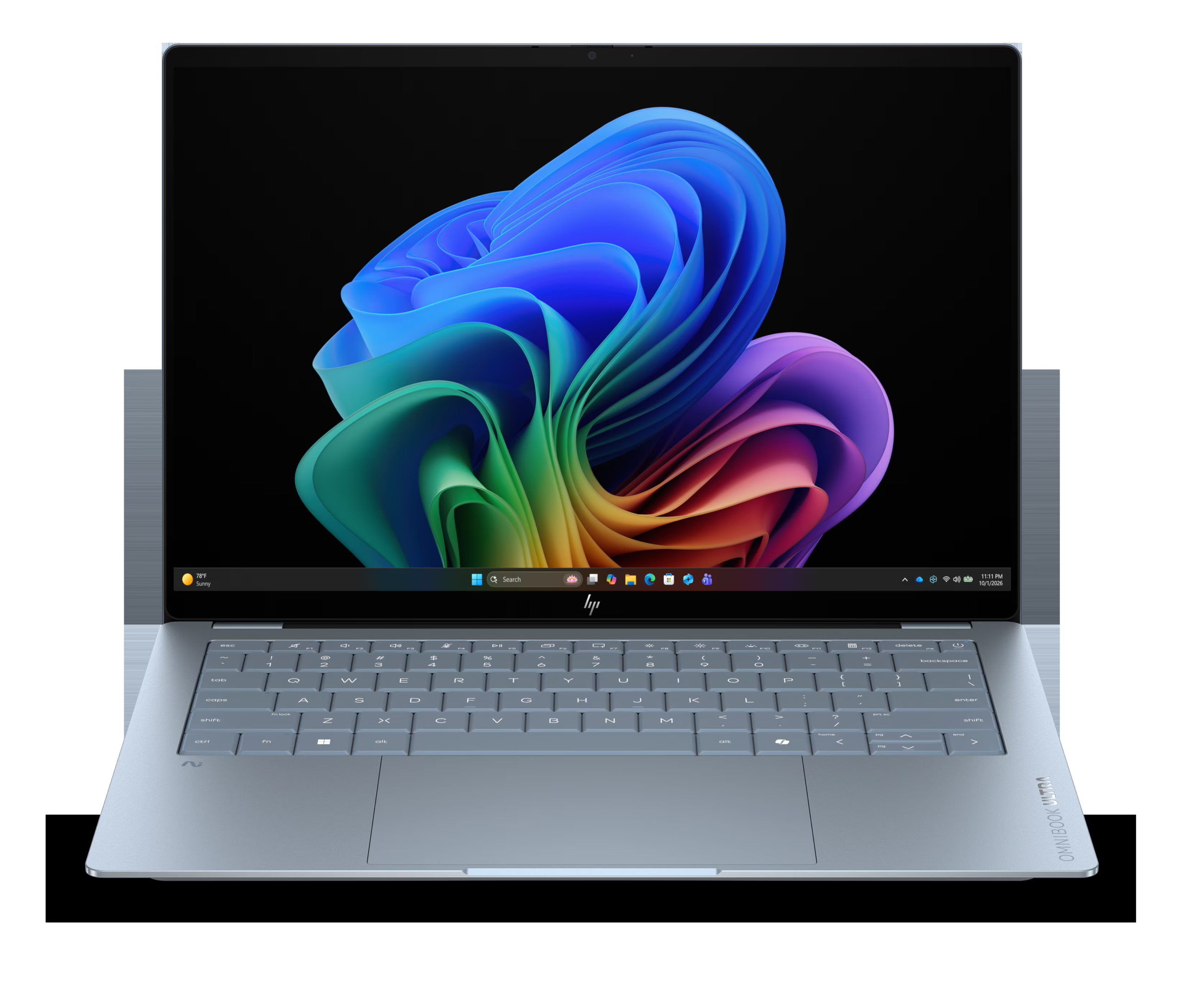

The updated OmniBook lineup was positioned for users who seamlessly moved between work, creativity, and personal projects. By pairing OLED visuals with extended battery life, HP emphasized usability over long days, reinforcing its message that AI PCs must remain practical companions rather than power-hungry showcases.
AI Productivity at the Printer
HP extended its AI strategy beyond the PC by introducing its first integration of Microsoft Copilot into HP Office Print devices. Through HP for Microsoft 365 Copilot, users could access document summarization, translation, and organization directly at the printer.
This integration reflected HP’s ecosystem-driven approach, bringing AI-powered productivity closer to where work actually happened. By reducing context switching and embedding intelligence into familiar workflows, HP aimed to make AI gains more immediate and accessible for businesses.
Strengthening IT Resilience
For organizations managing distributed device fleets, HP announced enhancements to its Workforce Experience Platform (WXP). A key update was the addition of firmware-level recovery capabilities, allowing IT teams to resolve critical device issues even when systems failed to boot.
These improvements addressed the realities of hybrid work, where downtime and device failures can quickly disrupt operations. HP positioned WXP as a critical layer for maintaining business continuity as AI-powered devices became more widespread across organizations.
Peripherals That Support Everyday Work
HP’s CES 2026 showcase also included new peripherals designed to improve comfort, usability, and sustainability. These ranged from a pink version of the HP Tilt Ergonomic Mouse 720M to a compact USB-C HP 65W GaN Wall Charger and lightweight HP Protective Series laptop sleeves.
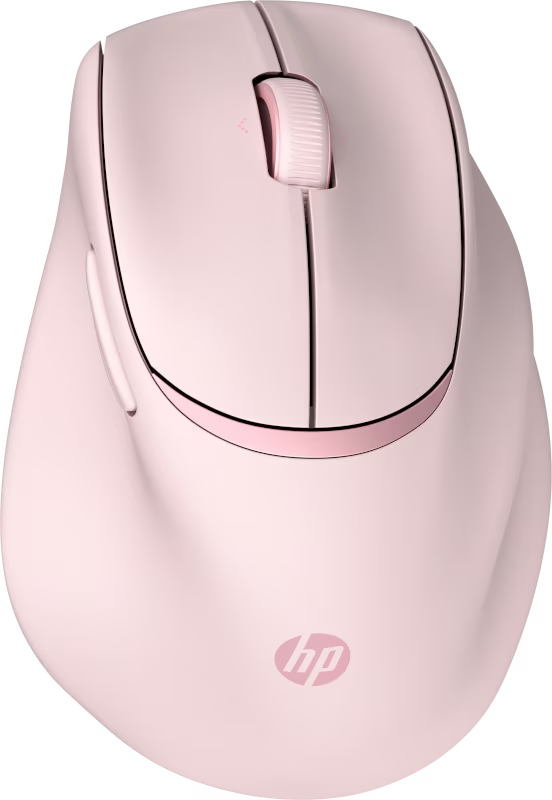
While less attention-grabbing than flagship PCs, these additions reinforced HP’s view that fulfilment at work is shaped by small but meaningful design choices that support daily routines.
Unifying Gaming Under HyperX
When it came time to step away from work, HP also outlined a significant shift in its gaming strategy. At CES 2026, the company unified its OMEN and HyperX brands under a single master gaming brand, HyperX. The move was anchored by the introduction of the HyperX OMEN MAX 16, which HP described as the world’s most powerful gaming laptop.
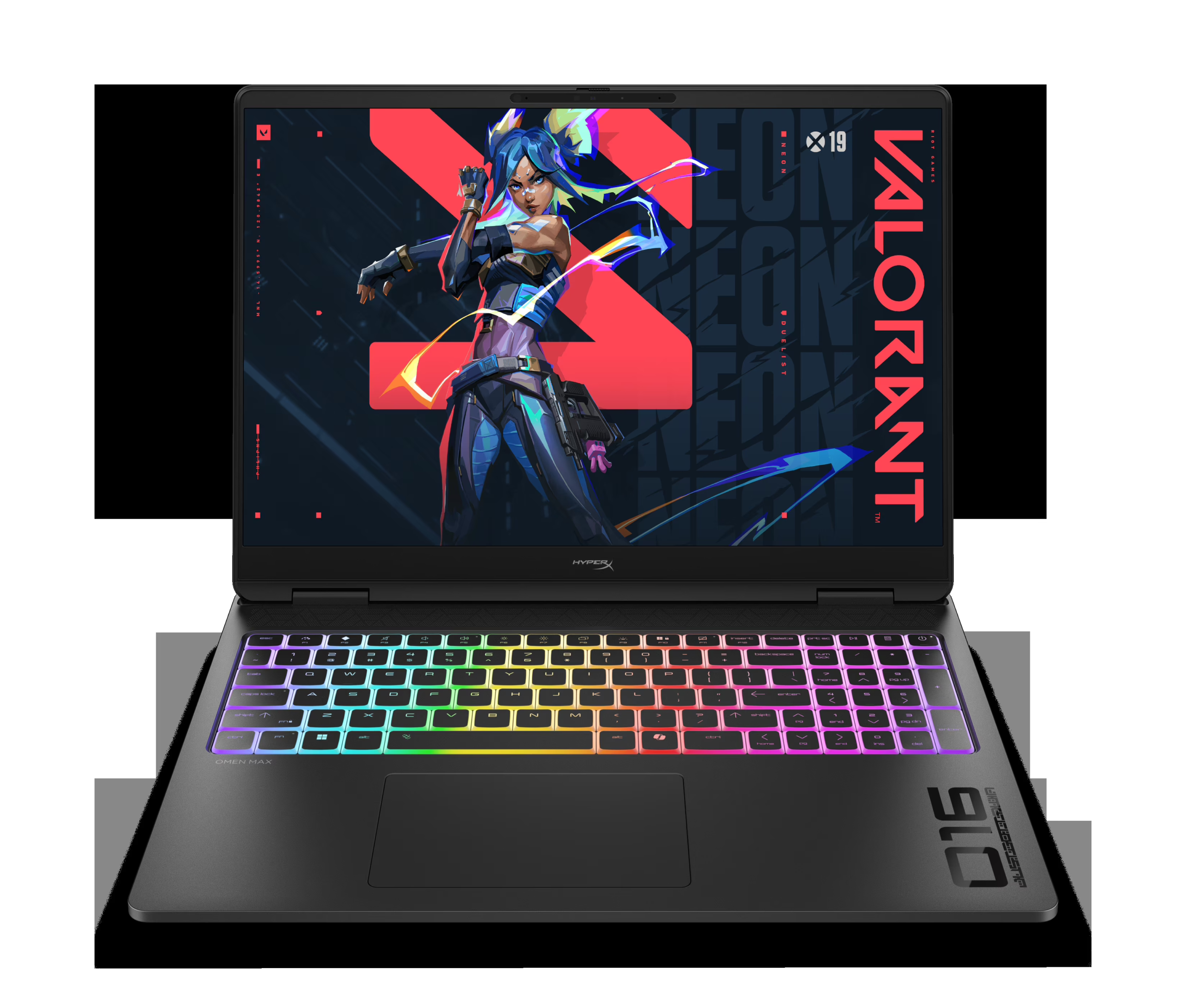
Featuring fully internal cooling, OMEN AI optimization, and a high-polling-rate keyboard, the OMEN MAX 16 signaled HP’s intent to deliver a more integrated, end-to-end gaming ecosystem.
A Human-Centered Close to CES 2026
As CES 2026 concluded, HP’s announcements stood out for their consistency. Across AI PCs, printers, platforms, and gaming systems, HP framed technology as an enabler of fulfilment, resilience, and sustainable growth. Rather than chasing spectacle, the company delivered a measured vision of the future of work, one where intelligence is embedded thoughtfully and designed around real human needs
Link for photos: https://www.hp.com/us-en/newsroom/press-kits/2026/hpatces.html