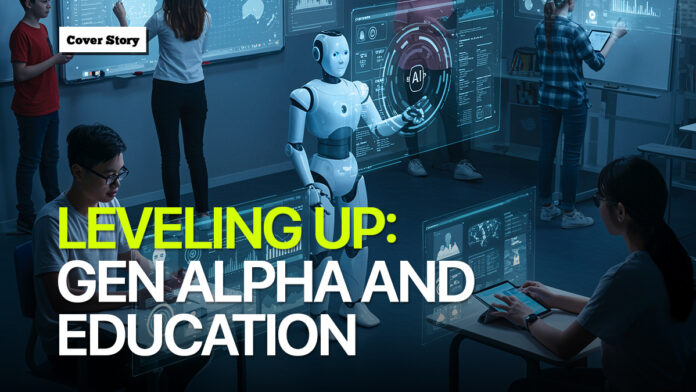

Gen Alpha is entering classrooms at a time when technology is deeply integrated into everyday life. Unlike previous generations that gradually adapted to digital tools, Gen Alpha has grown up surrounded by smartphones, streaming platforms, touchscreens, and algorithm-driven content from an early age.
This reality is changing how children learn, communicate, and process information, forcing education systems to adapt in response.
A Different Learning Environment
Traditional classrooms were designed around long attention spans, structured lessons, and standardized teaching methods. However, Gen Alpha is growing up in environments shaped by interactivity, personalization, and instant access to information.
Many children now consume content through short-form videos, interactive games, and visually driven platforms. As a result, educators are increasingly exploring ways to make learning more engaging and adaptive.
This does not mean traditional learning methods are disappearing entirely. Instead, schools are beginning to combine conventional teaching with digital tools that better reflect how students already interact with information outside the classroom.
Gamification and Interactive Learning
One of the biggest shifts in education is the rise of gamification.
Educational platforms now use points, rewards, progress tracking, and interactive challenges to make learning feel more engaging. Lessons are being designed to encourage participation rather than passive memorization.
This approach reflects how Gen Alpha already experiences digital environments. Many students are familiar with systems built around progression, achievements, and instant feedback because of gaming and online platforms.
When applied effectively, these methods can improve engagement and make learning feel more dynamic.
Technology Inside the Classroom
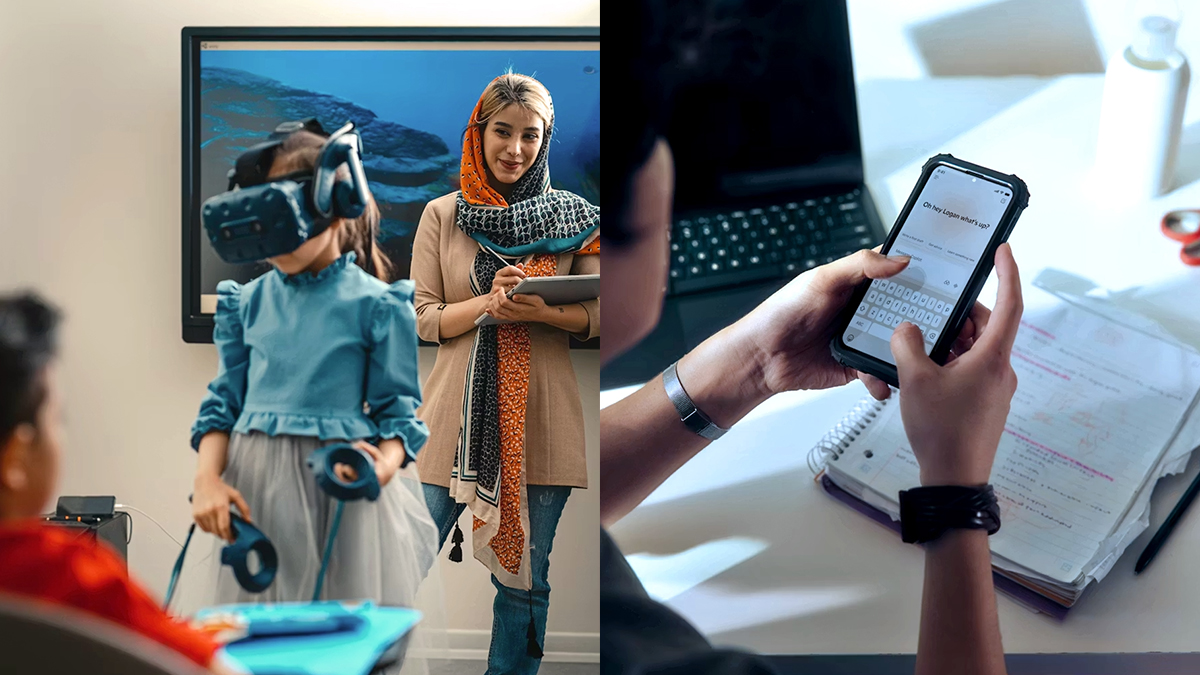
Digital tools are becoming more common inside classrooms, from tablets and collaborative platforms to AI-assisted learning systems and online research tools.
Technology also allows teachers to personalize lessons more easily. Students can move through materials at different speeds, revisit topics independently, and access learning resources beyond the classroom.
At the same time, schools continue to face challenges involving screen time, digital distraction, and unequal access to technology. Not all students have the same level of connectivity or access to devices, creating gaps in digital learning experiences.
As technology becomes more integrated into education, balancing accessibility, engagement, and focus remains a major concern.
Teaching Beyond Information
Because information is now constantly available online, education is shifting beyond memorization alone.
Increasingly, schools are focusing on skills such as critical thinking, digital literacy, collaboration, and problem-solving. Students are not just expected to absorb information, but also evaluate sources, recognize misinformation, and understand how digital systems influence what they see online.
In many ways, education is evolving from simply delivering knowledge into helping students navigate a highly connected and information-saturated world.
Preparing for a Different Future
The future Gen Alpha is preparing for may look very different from the one previous generations entered.
Automation, artificial intelligence, remote collaboration, and digital economies are already reshaping industries and careers. As a result, schools are being pushed to rethink how students are prepared for work, communication, and daily life.
This transition will not happen overnight, and traditional education systems will continue to evolve gradually. However, the direction is increasingly clear.
Education is no longer only about preparing students to remember information. It is about preparing them to adapt, learn continuously, and navigate a world shaped by rapidly changing technology.
Words by Gabriel Pe
Also published in GADGETS MAGAZINE Volume 26 Issue No. 10