

The fintech is using National ID eVerify, agentic AI, and human oversight to streamline KYC while keeping regulatory safeguards in place.
Maya is expanding the use of the Philippine National ID system and artificial intelligence across its digital onboarding process, giving eligible customers a simpler way to verify their identities without photographing or uploading a physical ID.
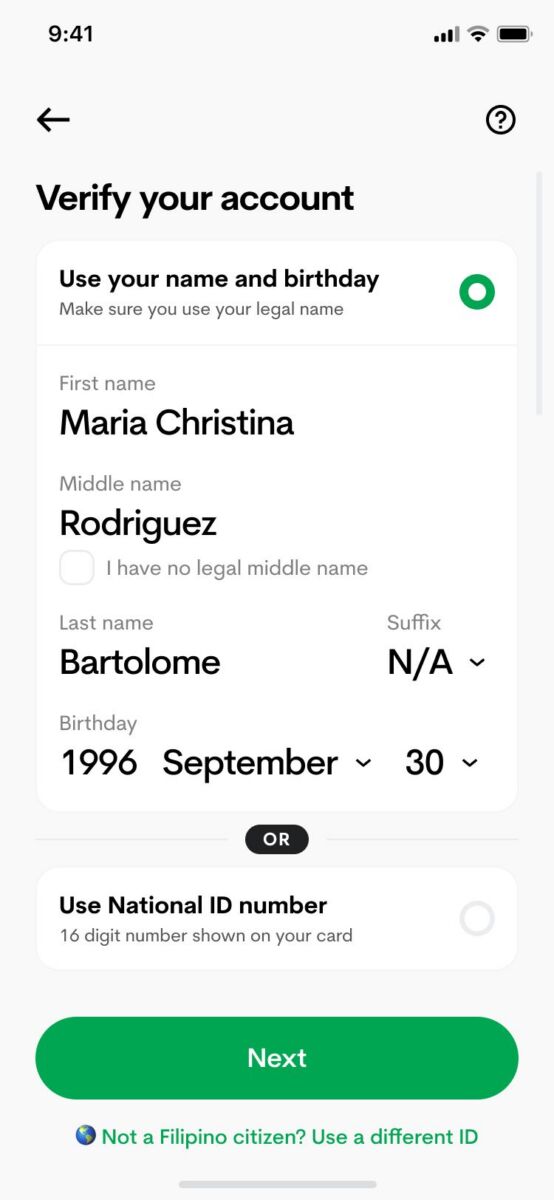
The fintech has integrated National ID eVerify, the Philippine Statistics Authority’s identity-verification service, into account onboarding. Since early 2026, eligible customers have been able to enter their National ID number, have their information checked against government-held records, and complete identity verification through a video selfie.
The development comes as the Bangko Sentral ng Pilipinas has proposed requiring supervised financial institutions to integrate with National ID authentication services for customer due diligence and identity verification. Maya’s implementation shows how the government-backed identity infrastructure can be combined with automation and AI within an existing financial-services workflow.
For eligible customers, the process removes the need to upload a physical ID and re-enter information already available through the National ID system. Maya verifies the submitted information through National ID eVerify and then completes the identity check with a video selfie.
National ID replaces repeated data entry
If more information is required, Maya asks only for the missing details. Customers who cannot be verified through National ID eVerify can continue through the regular ID-upload process without restarting the entire application.
“National digital infrastructure gives us a trusted foundation to build on,” said Alfred Lo, chief technology officer at Maya. “By combining the National ID with homegrown AI and automation, we can remove friction for customers while keeping verification robust and scalable.”

Agentic AI works behind the scenes
Maya is also using agentic AI in its National ID-first KYC and KYC deduplication processes. The company defines this as AI designed to carry out defined steps within a workflow and under established controls.
Within onboarding, the technology helps validate information, identify possible duplicate accounts, perform required checks, and route exceptions for human review. This allows automated systems to handle more repetitive verification tasks while reserving unusual or higher-risk cases for employees.
Maya says the approach has already produced measurable results. Overall turnaround time for consumer onboarding has improved by 84%, reducing the amount of time customers spend waiting for verification while allowing employees to spend more time on exceptions, investigations, and cases requiring human judgment.
AI with human oversight
The simpler onboarding flow does not remove existing regulatory requirements. Maya says it continues to apply applicable BSP requirements for Know Your Customer procedures, identity verification, screening, and other mandated checks.
That combination of automation and human oversight is central to how Maya is positioning its AI strategy. Rather than allowing AI to make every decision independently, the system is used to carry out defined tasks while exceptions and more complex cases can be escalated for human review.
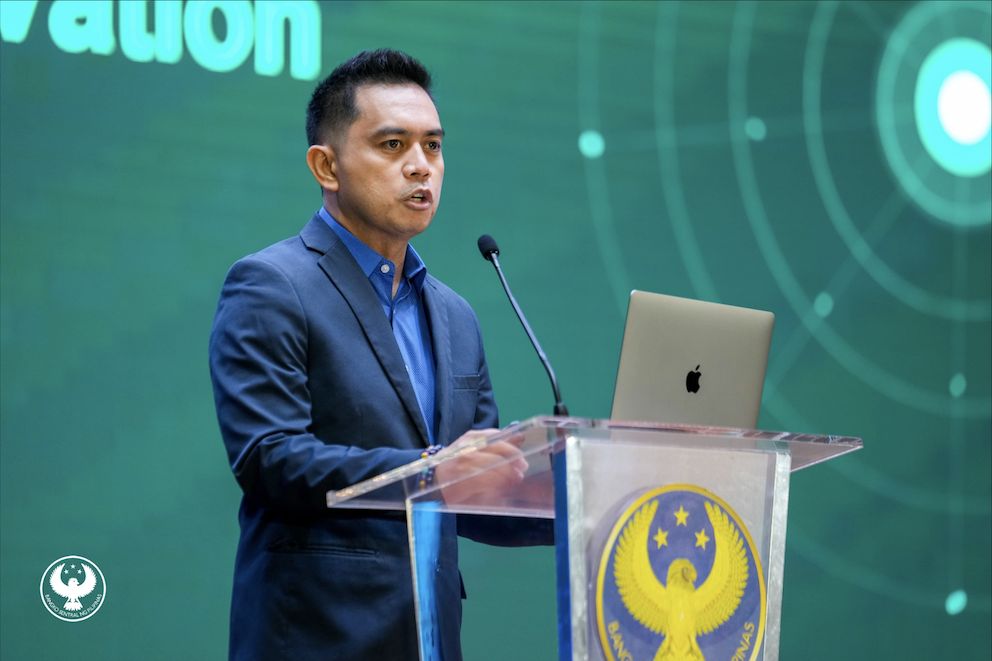
“For us, the real test of AI is not how advanced the model sounds. It is whether it solves a real customer problem safely, reliably and at scale,” said Melecio Valerio, head of data governance at Maya.
Valerio presented Maya’s experience at the recent BSP AI Summit, themed “From Pilot to Practice: AI Adoption in the Philippine Financial Sector.” Maya was one of three companies invited to showcase AI applications already being used in the local financial sector.
From digital identity to broader AI use
National ID-first onboarding forms part of Maya’s wider AI-first strategy. The company says it uses machine learning, decision engines, behavioral scoring, anomaly detection, and intelligent automation across onboarding, credit, fraud management, personalization, customer care, and operations.
The approach reflects a broader shift from treating AI as a standalone experimental project to embedding it directly into operational systems. In this case, AI is being layered on top of shared government digital infrastructure to automate parts of identity verification while maintaining regulatory controls and human review where needed.
For customers, the immediate benefit is a shorter and less repetitive verification process. For Maya, the objective is to make onboarding more scalable while directing employees toward cases where human judgment adds the most value.
Shared digital infrastructure becomes part of fintech
The use of National ID eVerify also illustrates how government digital infrastructure can become part of private-sector financial services. Rather than every institution building its own identity database from the ground up, financial companies can connect to a common verification layer while maintaining their own KYC, screening, and risk processes.
Maya sees that combination of government-held identity data, AI, automation, and human oversight as a way to redesign processes that have traditionally relied on manual document submission and review. The longer-term opportunity is to make financial services easier to access while preserving accountability, regulatory compliance, and security.
In Summary
Maya has integrated National ID eVerify into its digital onboarding process, allowing eligible customers to verify their identity using a National ID number and video selfie instead of uploading a physical ID.
The fintech also uses agentic AI and automation in KYC and account-deduplication workflows to validate information, identify possible duplicate accounts, perform checks, and route exceptions for human review. Maya reports an 84% improvement in consumer onboarding turnaround time.