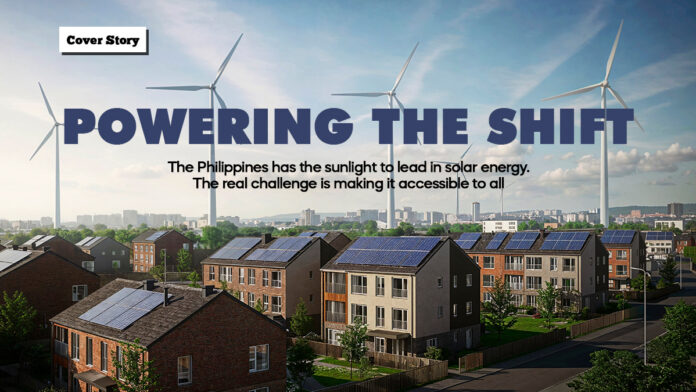

The Philippines has the sunlight to lead in solar energy. The real challenge is making it accessible to all
The Philippines sits under a flood of sunlight every day, yet still pays one of the highest electricity bills in Southeast Asia. With 4.5 to 5.5 peak sun hours daily, the country is among the most naturally solar-rich environments in the world, where rooftops could realistically serve as power generators rather than passive structures.
At the same time, solar installation costs have dropped significantly, now ranging from PHP55 to PHP75 per watt. Combined with rising electricity rates, this shift is making solar energy an increasingly practical option for long-term savings.
So the question is no longer whether solar energy works. It already does. The question is why it still feels like a privilege.
The Philippines’ Natural Advantage for Solar Energy
The Philippines is geographically well-positioned for solar energy generation. The country receives an average of 4.5 to 5.5 peak sun hours per day, with annual solar irradiation ranging from 1,643 to 2,008kWh/m², depending on location. These conditions place it among countries with strong inherent solar potential.
At the same time, the country’s climate presents a significant challenge due to frequent typhoons. With approximately 10 tropical cyclones making landfall annually, solar infrastructure must be engineered to be resilient. Modern installations use reinforced mounting systems and aluminum frames anchored deeply into the ground, enabling them to withstand wind speeds of up to 300kph, exceeding even the destructive force of Typhoon Haiyan.
This dual reality of high solar potential and environmental risk defines the structural context of solar deployment in the Philippines.
Rising Electricity Costs and Economic Incentives
One of the strongest drivers of residential solar adoption is the high cost of electricity. The Philippines consistently records some of the highest electricity rates in Southeast Asia, largely due to reliance on imported fossil fuels and transmission inefficiencies.
Against this backdrop, solar energy becomes increasingly economically attractive. Installation costs have declined significantly, falling to approximately PHP55 to PHP75 per watt in 2026, making residential systems more accessible to middle-income households.
A properly sized 5kW solar system can generate around 550 to 650kWh per month, translating to estimated savings of PHP6,600 to PHP7,800 monthly, depending on consumption patterns and grid rates. Under these conditions, the typical payback period ranges from four to seven years. After that, households benefit from decades of low-cost electricity, as modern solar panels often carry performance warranties of up to 25 years.
Residential Solar Systems and Household Integration
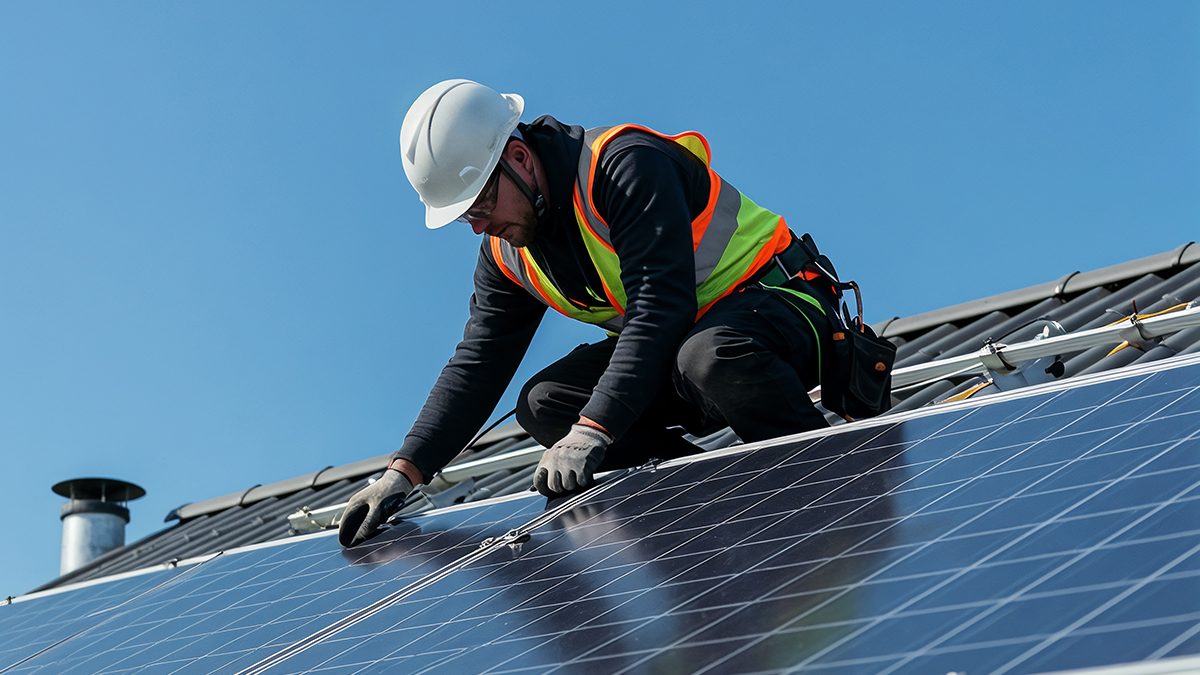
Residential solar systems generally consist of photovoltaic panels, inverters, and optional battery storage. Two primary configurations exist: on-grid systems, which remain connected to the electricity grid, and off-grid systems, which operate independently.
On-grid systems are more common in urban and suburban households due to their lower cost and compatibility with net-metering programs. Battery storage, while still relatively expensive, is increasingly being used to address intermittent supply and grid instability.
The integration of solar into household energy use marks a shift from passive consumption to active energy management, where households become partial producers rather than purely consumers.
Policy Framework and Net-Metering Expansion
The development of solar energy in the Philippines is anchored in the Renewable Energy Act of 2008. Early growth was driven by the Feed-In Tariff, which provided the financial certainty needed for utility-scale projects to move forward.
Today, the focus has shifted to the net-metering program, which has become the primary driver of residential adoption. By allowing households to trade surplus electricity for grid credits, and with the 2026 expansion of capacity caps to 1MW, the policy framework is moving toward a more decentralized and consumer-led energy market.
At the national level, the government has set a target of increasing the share of renewable energy in the energy mix to 35% by 2030, positioning solar as a key component of the country’s long-term energy strategy.
Adoption Patterns and Uneven Access
Despite favorable conditions, solar adoption in the Philippines remains concentrated among middle- and upper-income households. These groups are better able to absorb upfront installation costs and have greater access to financing options.
In contrast, lower-income households face significant barriers, including limited capital, lack of access to credit, and housing conditions that may not support rooftop installations. Rental housing and informal settlements further constrain access.
As a result, solar adoption reflects not only technological feasibility but also existing economic inequalities.
The Evolution of Inclusive Solar
As the industry matures, new frameworks are emerging to address these gaps.
Solar subscription models are gaining traction, allowing landlords to install systems without requiring upfront costs. This approach treats solar as a service rather than a capital investment, enabling tenants to benefit from lower electricity costs.
At the same time, energy pooling and community solar models are beginning to expand access. These allow residents of high-density developments to subscribe to shared solar capacity and receive bill credits without needing individual rooftop installations.
These approaches draw on global precedents, including virtual net metering in the United States, shared rooftop systems in Australia, and energy communities in the European Union.
However, challenges remain. While the government has introduced faster approval processes for solar permits, implementation is still uneven across regions. Administrative delays continue to affect the release of financial benefits for host communities.
Grid limitations also present constraints. In some areas, weak infrastructure leads to curtailment, where solar power is generated but cannot be fully transmitted.
The policy tools are in place, but the infrastructure needed to make solar widely accessible is still evolving.
Island Grids and Diesel Replacement
The significance of solar extends beyond residential rooftops. More than 50 million Filipinos live in island or isolated grid systems, many of which rely heavily on diesel generators.
These systems are costly, with electricity prices ranging from PHP10.60 to PHP117.75 per kWh, and are often less efficient and less stable.
In these contexts, solar systems combined with battery storage present a more efficient alternative. Studies indicate that solar-based microgrids can be up to 60% cheaper than diesel-based systems, with long-term savings of 17% to 29%.
This positions solar not only as a household solution, but as a broader infrastructure strategy.
Large-Scale Solar Projects as Indicators of Transition
The Philippines is also seeing the development of large-scale solar infrastructure.
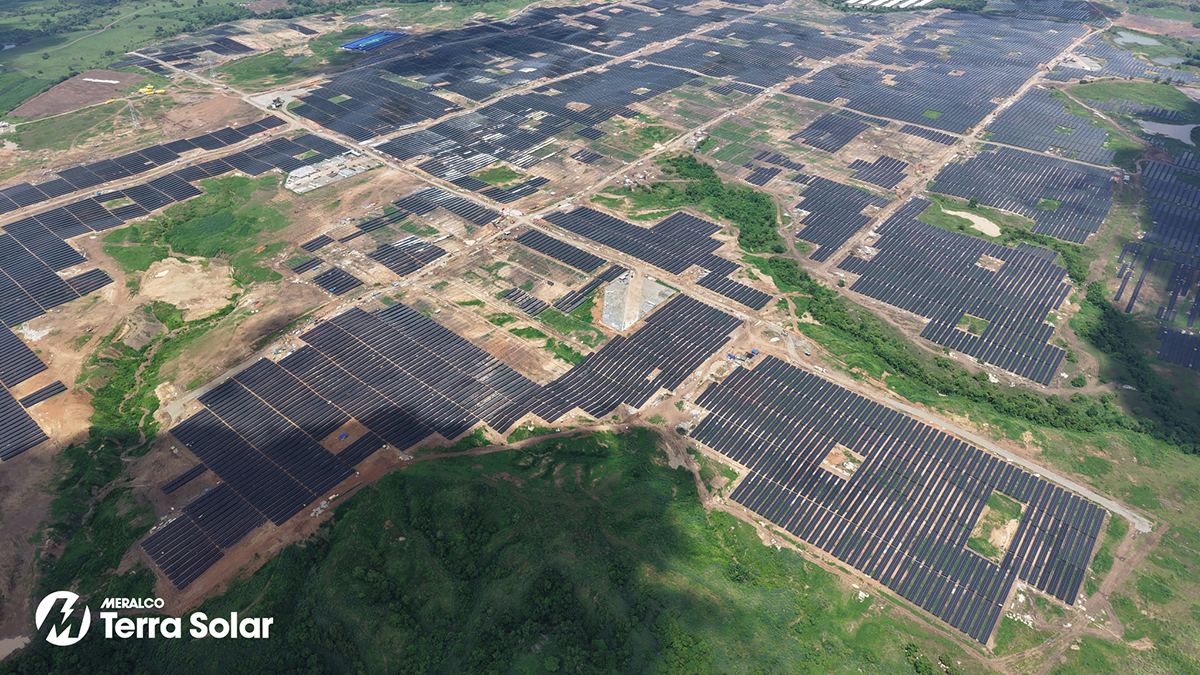
The Meralco Terra Solar Project is planned as a 3,500MW facility paired with a 4,500MWh battery storage system, positioning it among the largest solar-plus-storage developments globally.
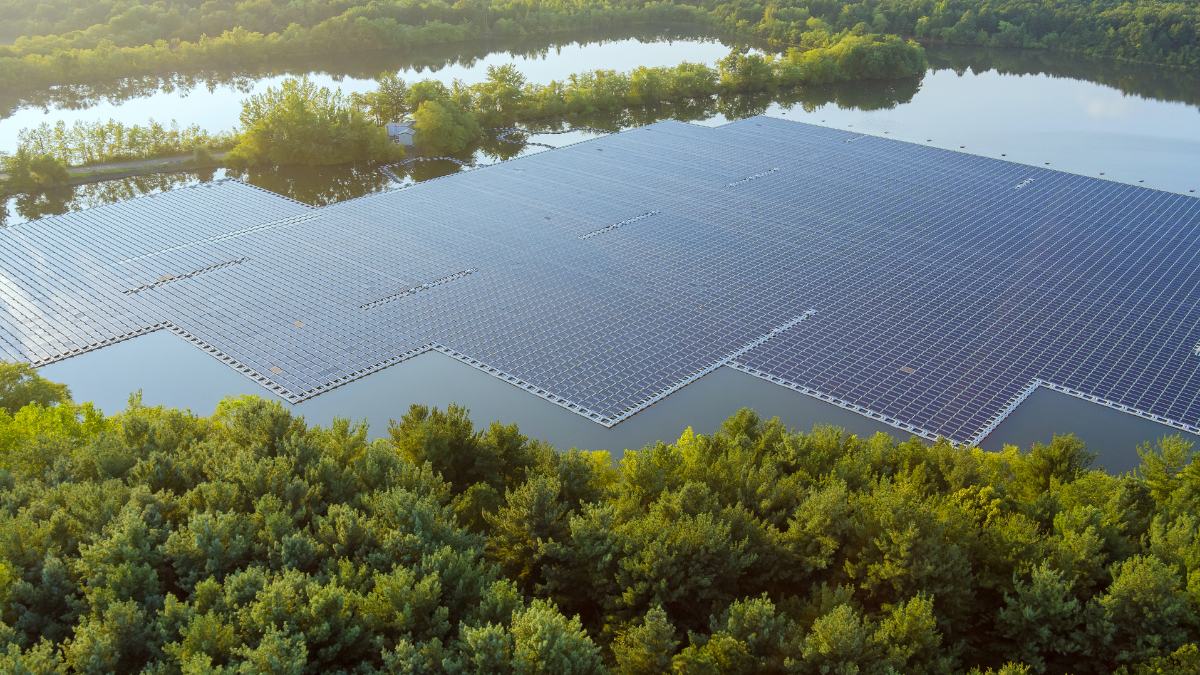
The Laguna Lake Floating Solar Project is expected to generate around 1,300MW across a 1,000-hectare site, while Cebu’s Malubog Floating Solar Farm marks the country’s first utility-scale floating solar installation.
These developments signal a transition from early adoption to large-scale integration.
A Transition Still in Progress
The Philippines has one of the strongest natural environments for solar energy generation. Combined with high electricity costs and declining installation prices, the case for adoption is increasingly strong.
However, access remains uneven. The expansion of solar energy is shaped not only by technology, but also by factors such as income, financing, housing conditions, and policy execution.
As a result, the benefits of the transition are not evenly distributed. Households that can afford the upfront investment gain long-term savings and partial independence from the grid. Others remain dependent on a system defined by high and often unstable costs.
Ultimately, solar energy in the Philippines is no longer limited by potential. The challenge is ensuring that access becomes more inclusive.
Words by Aljhelyn Piador
Also published in GADGETS MAGAZINE Volume 25 Issue No. 9