
A child sees one silly cat video on TikTok. Minutes later, the feed fills with memes, gaming edits, prank clips, and oddly satisfying videos. Somewhere between endless scrolling and autoplay recommendations, the algorithm quietly begins building a version of the internet designed specifically for that child.
For Gen Alpha, algorithms are no longer just part of the online experience. In many ways, they are the experience itself.
Generation Raised by Recommendations
Previous generations grew up choosing what to watch from television shows, DVDs, or random YouTube searches. Gen Alpha, however, rarely needs to search for things anymore because recommendation systems now handle much of the discovery process for them.
Their digital worlds are carefully shaped through platforms designed to maximize attention.
On TikTok’s “For You Page” or YouTube’s homepage, one interaction can generate a stream of similar recommendations. A child who watches Barbie edits may suddenly discover doll collections, fashion aesthetics, or toy creators within hours. Someone interested in anime highlights may quickly encounter Japanese music, cosplay creators, and fan communities.
The algorithm builds these interest pathways faster than traditional discovery ever could.
As a result, Gen Alpha is no longer simply browsing the internet randomly. Much of what they see is increasingly guided by systems that continuously respond to their behavior.
For this generation, personal interests are often shaped not by curiosity, but by what the algorithm decides to recommend next.
Humor Made Online
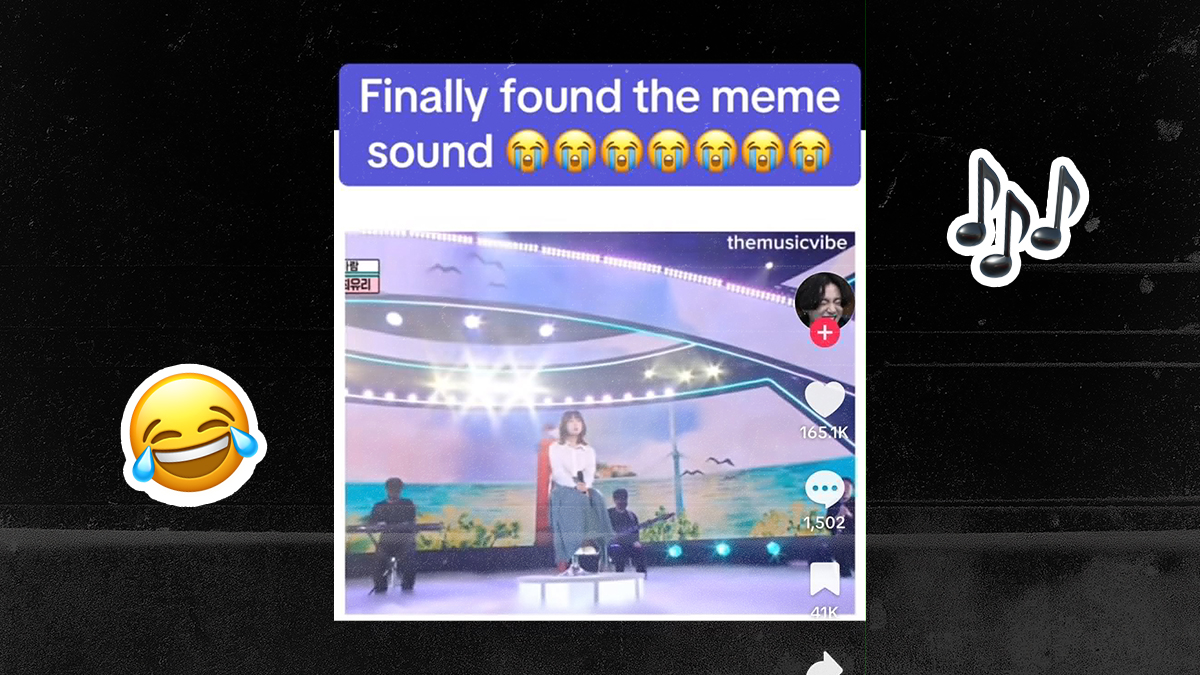
Gen Alpha humor often appears bizarre, chaotic, and difficult for older generations to understand. Viral sounds spread rapidly, memes appear overnight, and random phrases suddenly become part of everyday conversation.
Part of the reason is that absurdity performs well in algorithm-driven spaces.
Fast editing, loud reactions, awkward zoom-ins, distorted audio, and unpredictable punchlines are more likely to hold attention in short-form video environments. Over time, this has created a style of humor built specifically for fast scrolling and short bursts of engagement.
As a result, Gen Alpha is developing a shared internet language heavily shaped by online culture. To older audiences, many of these jokes may seem meaningless. But for Gen Alpha, they function as shared references built almost entirely within digital spaces.
The Algorithm as a Personality Mirror
The more Gen Alpha interacts online, the more platforms attempt to understand who they are.
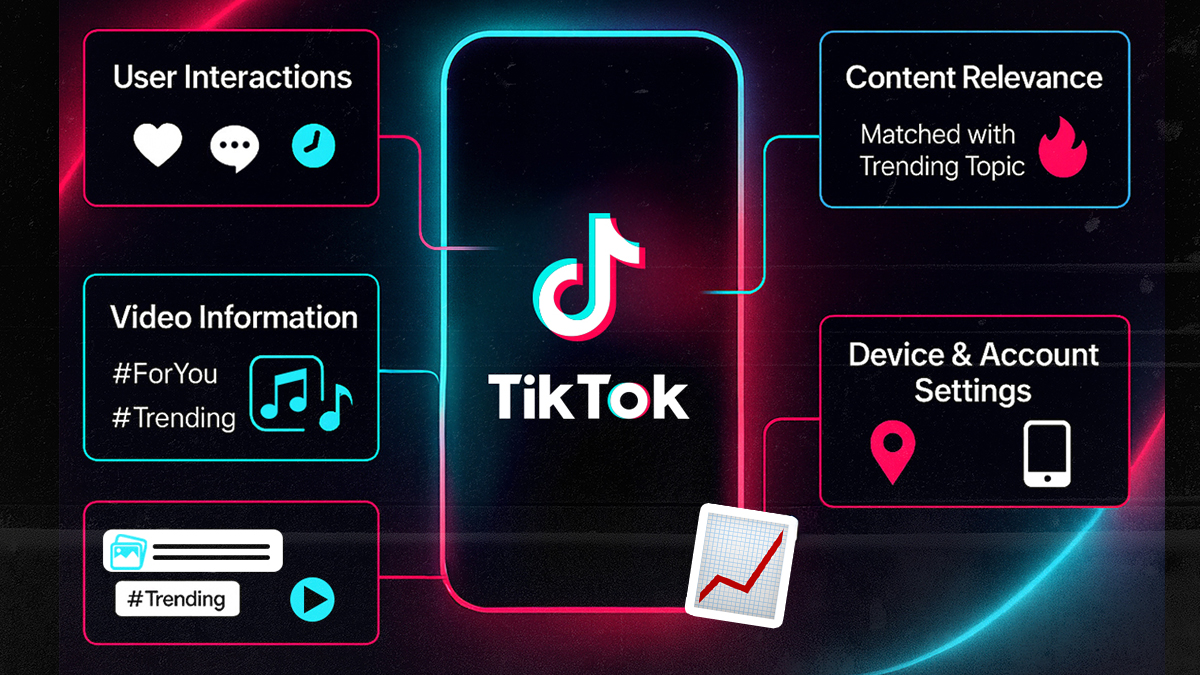
Algorithms analyze viewing habits, pauses, likes, saves, comments, and watch time to further personalize feeds. Someone interested in drawing may receive endless art tutorials, while fashion-related content quickly leads to shopping recommendations, beauty creators, and trend-focused videos.
Personalization itself is not necessarily harmful. In many cases, it allows users to discover hobbies, communities, and educational resources more easily.
However, it also means children are constantly being shown a filtered version of themselves.
Over time, these digital mirrors can subtly shape identity by reinforcing certain interests, aesthetics, and viewpoints while quietly minimizing others. In this environment, Gen Alpha increasingly discovers parts of itself through repeated recommendations.
Opinions in Infinite Feeds
Algorithms are not necessarily designed to prioritize truth or balance. Their main goal is engagement.
Content that creates strong emotional reactions often performs better, whether it is funny, shocking, controversial, or dramatic. As a result, once users engage with a particular topic or perspective, the platform may repeatedly feed them similar viewpoints.
For Gen Alpha, whose beliefs and worldviews are still developing, repeated exposure to one-sided content can shape opinions long before they fully understand the issues involved.
Over time, the role of algorithms shifts from being a recommendation tool into something closer to an invisible editor deciding which stories, ideas, and perspectives remain visible online.
Learning to Outsmart the System
Despite the concerns surrounding algorithms, these platforms are not entirely harmful. They also expose Gen Alpha to educational channels, creative hobbies, niche interests, and global communities that previous generations may never have encountered at such a young age.
The bigger challenge is teaching young users how these systems actually work. Digital literacy today involves more than simply knowing how to use technology. It also requires understanding how technology influences attention, behavior, decision-making, and perception.
The Feed Never Stops
Every generation is shaped by the technology of its time. Millennials grew up alongside personal computers, while Gen Z witnessed the rise of social media. Gen Alpha, however, may become the first generation raised almost entirely inside algorithm-driven ecosystems.
As these systems become increasingly sophisticated, their influence on how people think, communicate, and interact will likely continue to grow. And when the generation raised by the feed eventually begins designing the next generation of platforms, the digital environments of the future may become even more personalized, immersive, and difficult to separate from everyday life.
Words by Phia Manuell Layoso
Also published in GADGETS MAGAZINE Volume 26 Issue No. 10